Choosing between Maxi-Cosi, Joie and Cybex comes down to the exact seat that fits your child and your car — not the badge on the cover. For this mid-range comparison, the clearest value is the Joie i-Pivot 360, while the Maxi-Cosi Mica Pro Eco i-Size and Cybex Sirona Gi i-Size Comfort suit different height ranges and budgets.
All three are current R129-approved rotating seats with integrated ISOFIX bases, but that approval is a minimum legal standard rather than proof that every model performs identically. Check the manufacturer’s vehicle list, the child’s height and weight limits, and every installation indicator before buying.
Our pick for most families is the Joie because it covers 40–105 cm, includes the base and support leg, and costs much less than the other two. The Maxi-Cosi covers the same height range with a higher-priced finish; the Cybex starts at 61 cm unless the correct newborn inlay is bought and used.
How to Choose a Mid-Range Car Seat
Before diving into specific models, there are a few things worth nailing down. Getting the wrong seat isn’t just annoying — it’s potentially dangerous, and you’ll be using this thing twice a day for years.
- i-Size (R129) compliance — This is the current safety standard in Europe, and it’s based on your child’s height rather than weight. All three brands offer i-Size seats in this price range, and you should be looking exclusively at R129-approved models for new purchases. Our guide to car seat safety ratings explains the difference between i-Size and the older R44 standard in detail.
- ISOFIX vs seatbelt fitting — ISOFIX is a rigid mounting system that clicks directly into anchor points in your car. It’s harder to get wrong, which is the whole point. At this price point, every seat worth considering has ISOFIX as standard.
- Rotation — A 360-degree swivel seat lets you turn the car seat to face the door for loading and unloading. Once you’ve used one, going back to wrestling a child into a fixed seat feels medieval. Rotation adds about £30-50 to the price, but most parents say it’s the single best feature they paid for.
- Extended rear-facing — UK law requires rear-facing travel until at least 15 months under i-Size rules, but safety experts recommend keeping children rear-facing as long as possible — ideally until age four. Check how long each seat supports rear-facing use. The gov.uk child car seat rules page has the current legal requirements.
- Lifespan — Some mid-range seats cover birth to around 4 years (approximately 105 cm). Others stretch to 7 years or even 12. A longer lifespan means better value, but the seat needs to remain comfortable as your child grows.
If you’re still working out the basics, our complete guide to choosing a baby car seat covers everything from newborn carriers to group 2/3 boosters.
Maxi-Cosi: The Established Name
The exact Amazon UK option here is the Maxi-Cosi Mica Pro Eco i-Size. It is approved to R129 for children from 40–105 cm and uses an integrated ISOFIX base, support leg and 360-degree rotation. That makes it a complete fixed-in-car seat rather than an infant carrier that clips onto a pushchair.
Its main trade-off is price: the listing was around £285 when checked. The integrated base is convenient, but it cannot be treated as interchangeable with CabrioFix, Pearl or FamilyFix travel-system components. If you need to fit three car seats across the back, measure the available width and test the installation before committing.
- Approved range: 40–105 cm under R129.
- Installation: integrated ISOFIX base and support leg.
- Best for: buyers who want the Maxi-Cosi model and are comfortable with the higher price.
- Check before buying: vehicle compatibility, leg position and space for rear-facing use.
The Pearl 360 Pro remains a separate alternative, but it needs its specified FamilyFix base and falls outside this exact three-seat comparison once the full system price is counted.
Joie: Best Value Without Compromise
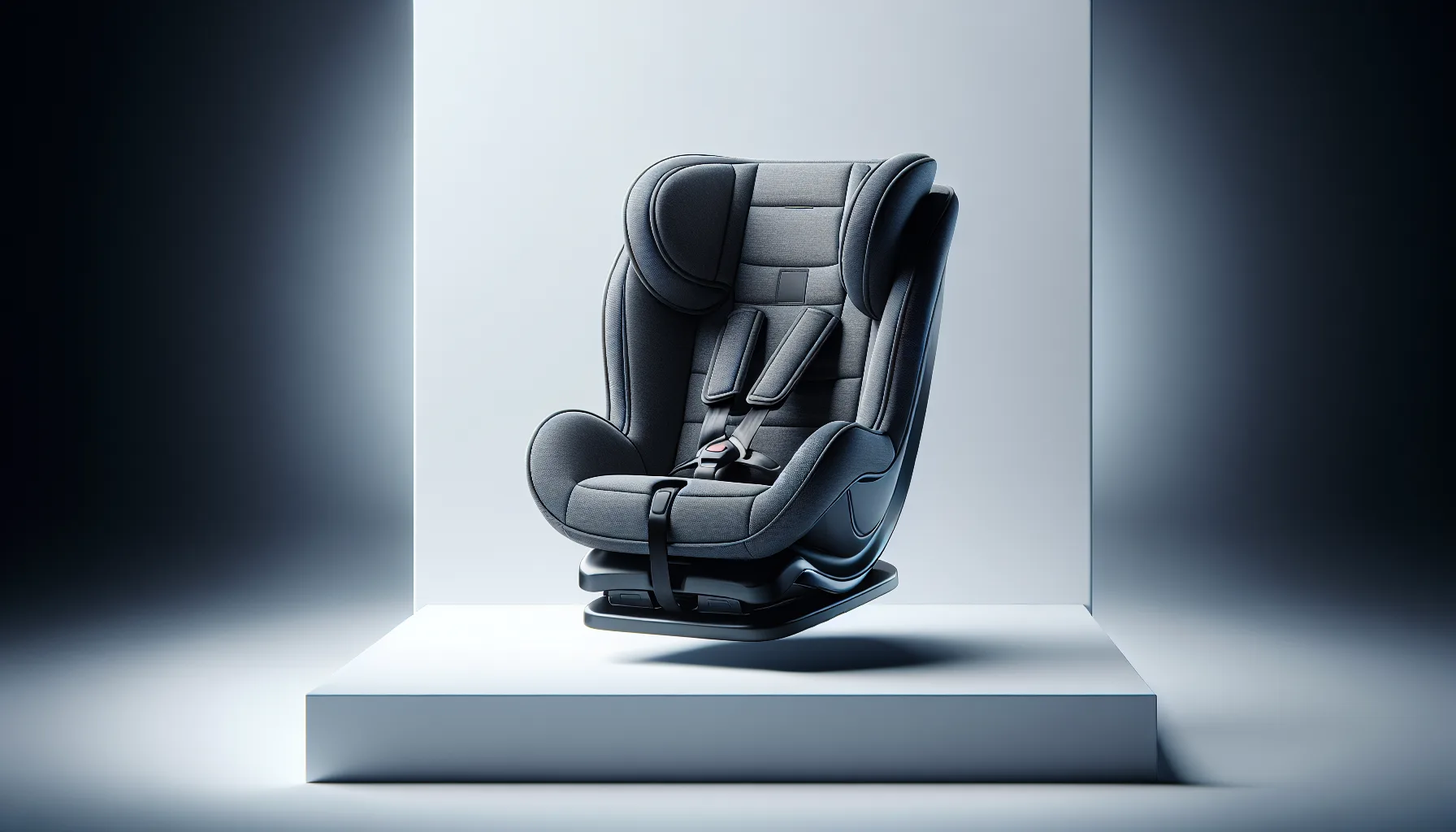
The current comparison model is the Joie i-Pivot 360, not the older i-Spin 360. Joie’s specifications give a 40–105 cm range, a maximum child weight of 21 kg and R129/03 approval. It has an integrated ISOFIX base, support leg and 360-degree rotation.
At about £124 when checked, it is the value choice here. Joie also publishes an ADAC result of 2.4 for this model. That is useful model-specific evidence, but parents should still follow the manual and confirm the seat fits their vehicle; a good test result cannot compensate for an unsuitable or incorrect installation. See the official Joie i-Pivot 360 specifications.
- Approved range: 40–105 cm, up to 21 kg.
- Installation: integrated ISOFIX and support leg.
- Best for: families wanting a current rotating R129 seat at the lowest price of these three.
- Check before buying: the vehicle fit list and clearance in rear-facing mode.
If you need a seat for longer, the current Joie i-Pivot Grow is the relevant alternative: its official range is 40–135 cm, rather than the old i-Spin Grow figures previously quoted here. A rotating toddler seat is not a detachable pushchair carrier; check adaptors separately if you are building a travel system. For a related angle, see our Baby Monitor Range Explained: What Affects Signal Strength? guide.
Cybex: The Design-Led Option
The exact Cybex option is the Sirona Gi i-Size Comfort. Cybex specifies 61–105 cm, a maximum child weight of 20 kg and UN R129/03 approval. The Gi version has an integrated base and rotates through 360 degrees.
The 61 cm lower limit matters. Cybex says birth use requires the correct newborn inlay, so the standard seat should not be described as suitable from birth on its own. Check what is included in the Amazon variation before ordering and use the manufacturer’s vehicle compatibility tool. See the official Cybex Sirona Gi specifications.
- Approved range: 61–105 cm and up to 20 kg without extending those limits.
- Installation: integrated ISOFIX base and support leg.
- Best for: buyers who prefer the Cybex design and whose child is already within the stated range.
- Check before buying: whether the newborn inlay is required, included and appropriate.
Maxi-Cosi vs Joie vs Cybex: Head-to-Head
Safety approval: all three exact models are approved to R129. That confirms they meet the regulation; it does not establish identical crash performance. Model-specific independent testing, correct installation and a suitable fit for the child and car all matter. Always check your seat hasn’t been recalled before using a second-hand seat.
Child range: the Maxi-Cosi and Joie start at 40 cm and finish at 105 cm. The Cybex is 61–105 cm unless used from birth with the correct newborn inlay. Maximum weights also differ: 21 kg for the Joie and 20 kg for the Cybex, so height is not the only limit to watch.
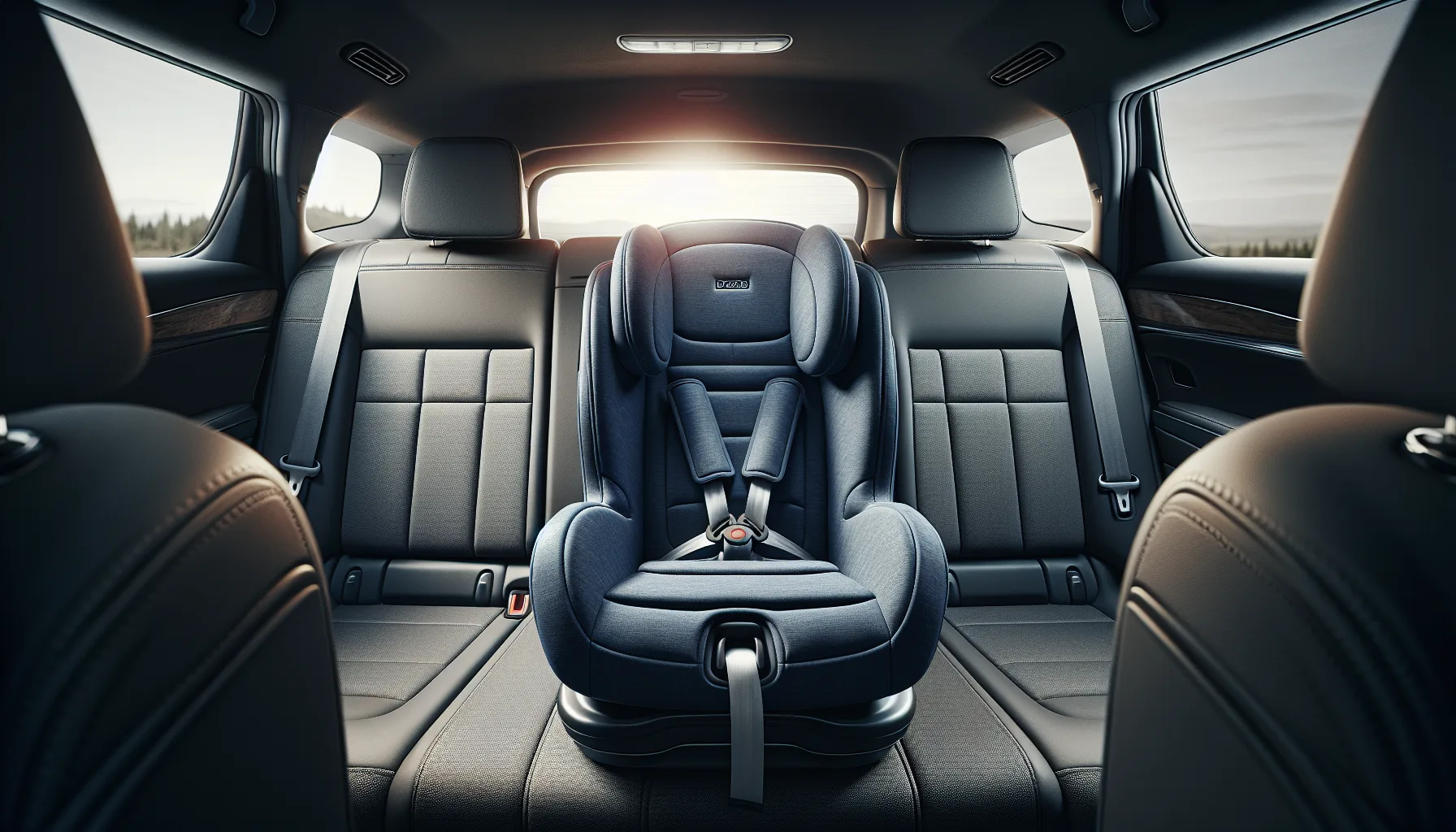
Installation: each model uses an integrated ISOFIX base and support leg. None is a detachable infant carrier. A green indicator is useful only after every connection and the support leg have been checked exactly as the manual describes.
Value: the Joie is the clear price winner at the prices checked. The Maxi-Cosi costs more for a similar stated height range. The Cybex can suit families who prefer that model, but the 61 cm starting point and inlay requirement need attention.
Verdict: choose the Joie i-Pivot 360 for value, the Maxi-Cosi Mica Pro Eco for the exact Maxi-Cosi option, or the Cybex Sirona Gi Comfort if its size range and fit suit your child and car. Do not choose solely on brand reputation.
Where to Buy in the UK
All three brands are widely available from UK retailers, though stock levels and pricing vary:
- John Lewis — Carries all three brands with a good selection of mid-range models. Their customer service and returns policy are hard to beat. Often slightly higher priced but worth it for peace of mind.
- Halfords — Strong on Joie and Maxi-Cosi, more limited on Cybex. The advantage is that they’ll fit the seat in your car for free, which is valuable if you’re not confident with ISOFIX installation.
- Amazon UK — Competitive pricing across all three brands. Watch for third-party sellers offering suspiciously low prices on Cybex seats — stick with “Sold by Amazon” or the official brand store.
- Argos — Good for Joie and Maxi-Cosi at mainstream prices. Cybex availability is limited.
- Independent nursery retailers — Shops like Kiddies Kingdom and Natural Baby Shower often have the best range of Cybex models and can offer hands-on advice.
Whichever retailer you choose, buy from an authorised UK dealer. Grey imports without UK warranty aren’t worth the risk on something this important.
Frequently Asked Questions
Are mid-range car seats as safe as expensive ones?
An R129 approval means a seat meets that regulation, regardless of price. It does not mean every approved seat achieves the same result in independent crash testing. Compare the exact model, fit it correctly and stay within its height and weight limits.
Can I use a Maxi-Cosi car seat with a Joie pushchair?
Only if the pushchair and the exact detachable infant carrier are approved for use with a suitable adaptor. The Mica Pro Eco, i-Pivot 360 and Sirona Gi are fixed-in-car rotating seats with integrated bases, not pushchair-compatible infant carriers.
How long should I keep my child rear-facing?
Under the UK rules for height-based seats, a child must be rear-facing until they are over 15 months old. Keep using the approved rear-facing mode beyond that point while the child remains within the seat manufacturer’s limits.
Do Cybex car seats fit in small UK cars?
Do not assume from the brand or vehicle size. Check the Sirona Gi vehicle compatibility information, ISOFIX positions, support-leg contact and front-seat clearance for your exact car before buying.
Is a 360-degree rotating car seat worth the extra cost?
Rotation can make loading and harness checks easier, but it is a convenience feature rather than a substitute for correct fit. Prioritise approval, compatibility and the correct child range first.
The Bottom Line
For most families comparing these exact models, the Joie i-Pivot 360 is the strongest value: 40–105 cm, R129/03 approval, integrated ISOFIX and support leg, plus a published ADAC result of 2.4.
Choose the Maxi-Cosi Mica Pro Eco i-Size if you specifically want that 40–105 cm Maxi-Cosi seat and accept its higher price. Choose the Cybex Sirona Gi i-Size Comfort only after accounting for its 61 cm starting point and the separate newborn-inlay requirement for birth use.
Before ordering, confirm the exact model against the manufacturer’s vehicle list. After fitting, check the ISOFIX indicators, support leg, recline and harness against the manual. Brand preference comes after correct compatibility and installation.