Your baby just turned six months, they are grabbing everything off your plate, and the health visitor says it is time to start solids. You bought a book, read three contradicting Instagram accounts, and now you are paralysed between “start with baby rice” and “give them a lamb chop on day one.” The truth is simpler than social media makes it look. Most foods are fine from six months, a few need avoiding, and the order matters far less than the exposure.
In This Article
- When to Start: The Signs of Readiness
- Best First Foods from Six Months
- Foods to Introduce by Seven to Eight Months
- Allergen Introduction: The Modern Approach
- Puree vs Baby-Led Weaning vs Combination
- Foods to Avoid in the First Year
- Meal Ideas by Age
- How Much Should They Eat
- Common Weaning Mistakes
- Frequently Asked Questions
When to Start: The Signs of Readiness
The NHS recommends starting solids at around six months. Not before four months (digestive system is too immature), and ideally not delaying past six months (iron stores from birth begin depleting). Look for three signs together:
- Sitting up with minimal support — they can hold their head steady and sit in a highchair
- Hand-to-mouth coordination — they can pick up objects and bring them to their mouth deliberately
- Loss of the tongue-thrust reflex — they no longer automatically push food out of their mouth with their tongue
Watching you eat and reaching for food are NOT readiness signs on their own — most babies do this from four months because they are curious, not hungry for solids.
For the practical week-by-week schedule, see our weaning start guide.
Best First Foods from Six Months
These foods are gentle on new digestive systems, easy to prepare, and well-tolerated by most babies. Start with single-ingredient foods so you can identify any reactions.
Vegetables First
The NHS Start for Life programme recommends vegetables as first foods because babies accept sweet tastes naturally — they need exposure to savoury and bitter flavours early before preferences solidify.
- Sweet potato — naturally sweet, smooth when pureed, holds shape as finger food sticks. Roast or steam until very soft.
- Butternut squash — mild, creamy, packs beta-carotene. Cut into finger-length batons and roast until collapsible.
- Broccoli — the tree-shape makes a natural handle for baby-led weaning. Steam until very soft (3-4 minutes longer than you would for adults).
- Carrot — sweet when cooked, easy to puree smooth. Steam batons until a fork passes through with zero resistance.
- Courgette — very mild flavour, soft texture when steamed. Good for babies who reject stronger tastes initially.
- Avocado — no cooking needed, creamy texture, healthy fats. Slice into strips or mash onto toast fingers.
Fruits
- Banana — peel, slice lengthways, and let them hold a piece. Slippery, so leaving some skin on as a handle helps grip.
- Pear — ripe pear is soft enough raw. Harder pears need steaming. Less acidic than many fruits, gentle on digestion.
- Mango — slice into finger-length sticks. Sweet, nutritious, and most babies love it from the first taste.
- Blueberries — squash flat (whole blueberries are a choking hazard at this age). Rich in antioxidants.
Iron-Rich Foods (Start Immediately)
Iron is the critical nutrient from six months because breastmilk alone no longer provides enough. Do not wait weeks before introducing iron sources.
- Meat — slow-cooked beef, chicken thigh, or lamb pulled into shreds. The iron in red meat (haem iron) is absorbed far more efficiently than plant iron.
- Lentils and beans — red lentils cooked to mush mix easily into purees or load onto pre-loaded spoons
- Fortified baby cereal — iron-fortified porridge mixed with breastmilk/formula. Convenient but not essential if eating meat and lentils.
- Egg yolk — cooked thoroughly, mashed or offered as strips of omelette
Foods to Introduce by Seven to Eight Months
Once they have had two to three weeks of single foods without reactions, start combining flavours and increasing texture.
Texture Progression
- 6 months: smooth purees and very soft finger foods that dissolve in the mouth
- 7 months: slightly lumpy mashes, thicker porridge, soft foods that require gumming
- 8 months: mashed with visible soft lumps, pasta shapes, rice, small pieces of soft-cooked meat
Do not stay on smooth purees past 7-8 months. Babies who are not exposed to texture by 9 months are more likely to develop feeding difficulties and reject lumpy food later. Push texture forward even if they gag — gagging is normal and different from choking.
New Foods to Add
- Fish — salmon, cod, haddock. Baked, poached, or in fishcakes. Oily fish once a week provides omega-3.
- Pasta — well-cooked fusilli or penne that they can grip. Plain or with vegetable-based sauces.
- Cheese — full-fat cheddar, cream cheese on toast, cottage cheese. Avoid high-salt cheeses (halloumi, feta) in large quantities.
- Yoghurt — full-fat plain yoghurt (not reduced fat, not sweetened). Mix with fruit puree if they refuse it plain.
- Toast and bread — lightly toasted strips with nut butter, mashed avocado, or cream cheese spread.
Allergen Introduction: The Modern Approach
Current NHS and BSACI guidance is clear: introduce common allergens early (from six months) and regularly. Delaying allergen introduction increases allergy risk rather than reducing it. This is the opposite of advice given a generation ago.
The Key Allergens
- Peanuts — smooth peanut butter thinned with milk on toast or mixed into porridge. Never whole nuts (choking hazard until age 5).
- Egg — well-cooked scrambled egg, omelette strips, hard-boiled mashed. Start with small amounts.
- Cow’s milk — in cooking and on cereal from six months. Not as a main drink until 12 months (breastmilk/formula remains primary).
- Wheat/gluten — bread, pasta, porridge oats. Most babies tolerate these without issue.
- Fish and shellfish — cooked fish from six months. Shellfish from six months if well-cooked.
- Sesame — tahini mixed into purees or hummus is the easiest introduction.
- Tree nuts — smooth nut butters (almond, cashew) thinned and mixed into food. Never whole or chopped nuts.
How to Introduce
Give a small amount of the allergen (half a teaspoon initially) earlier in the day so you can observe for reactions. If no reaction within 2 hours, increase the quantity next time. Once introduced without reaction, keep offering that allergen regularly (2-3 times per week minimum) to maintain tolerance. For a related angle, see our How to Choose a Pushchair: A First-Time Parent’s Checklist guide.
Signs of Allergic Reaction
- Mild: rash around mouth, mild hives, slight swelling. Monitor and consult GP.
- Severe (anaphylaxis): swelling of lips/tongue, difficulty breathing, vomiting, going floppy. Call 999 immediately.
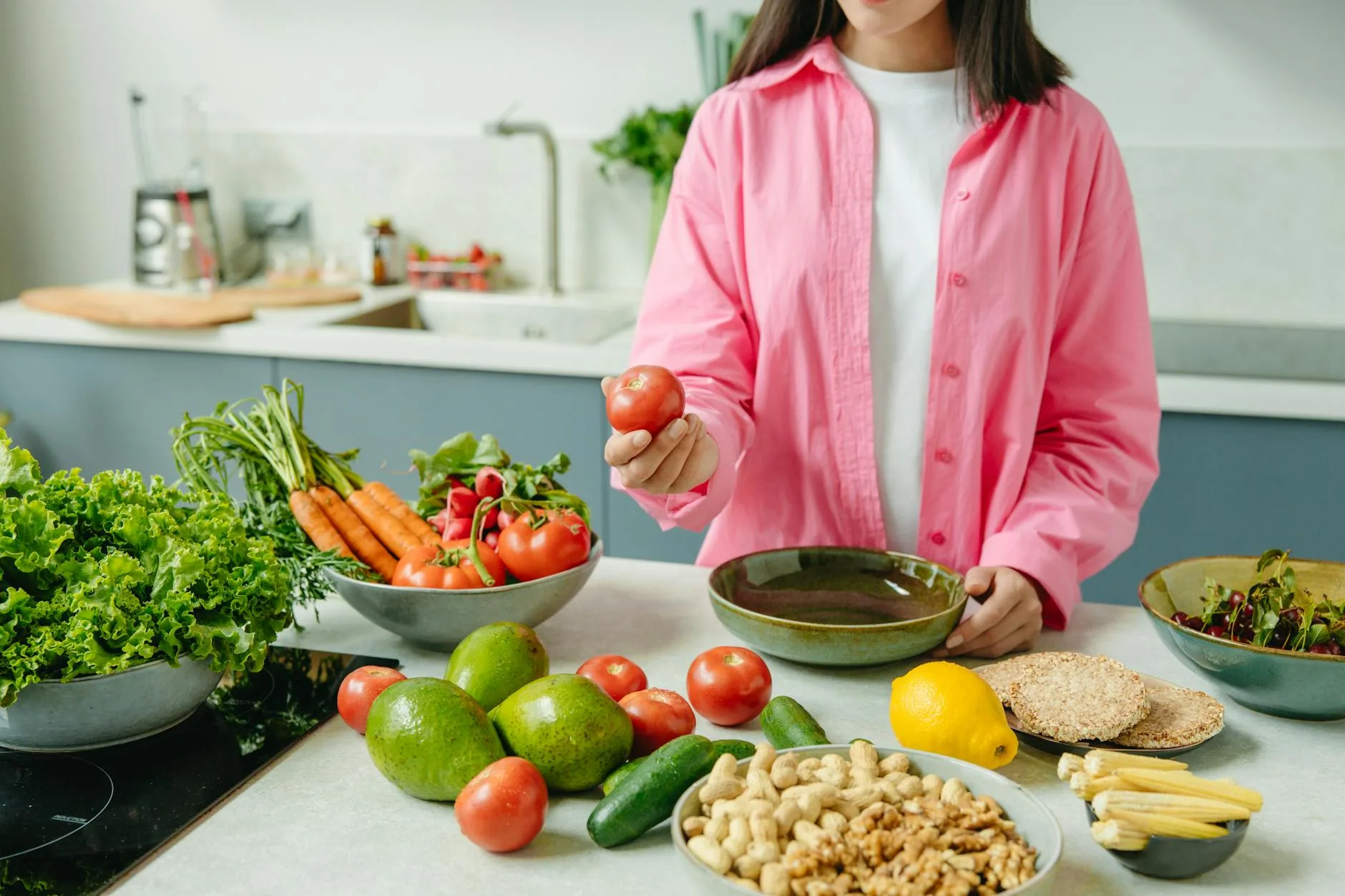
Puree vs Baby-Led Weaning vs Combination
Traditional Puree Weaning
Spoon-feeding smooth purees, gradually increasing texture. The parent controls the pace and quantity. Works well for parents who want to see exactly how much their baby eats and for babies who struggle with self-feeding coordination.
Baby-Led Weaning (BLW)
The baby feeds themselves from the start — no purees, no spoon-feeding. You offer soft finger foods and they explore independently. Encourages self-regulation, develops hand-eye coordination, and means the whole family eats together. Messier and initially slower than spoon-feeding.
Combination (Most Popular in Practice)
The approach most UK parents actually use regardless of what they planned. Some meals are spoon-fed (porridge, yoghurt, soup), some are self-fed (toast fingers, soft fruit, steamed vegetables). Flexible, practical, and takes the pressure off both “sides” of the debate.
The best approach is whichever one your baby responds to and you can sustain consistently. Rigid adherence to BLW dogma when your baby is frustrated, or insisting on puree-only when they want to grab food, serves nobody. Our How to Adjust Car Seat Straps as Your Baby Grows guide is useful alongside this.
Foods to Avoid in the First Year
Never Give
- Honey — risk of infant botulism until 12 months. No exceptions, even in cooking.
- Whole nuts and seeds — choking hazard. Smooth nut butters and ground seeds are fine.
- Added salt — baby kidneys cannot process adult salt levels. Do not add salt to their food. Limit processed foods with high sodium.
- Added sugar — no need for it. Fruit provides sufficient sweetness. Avoid fruit juices, biscuits marketed at babies, and sweetened yoghurts.
- Whole grapes, cherry tomatoes, popcorn — all choking hazards. Cut grapes and tomatoes lengthways into quarters.
- Raw or undercooked egg — salmonella risk. Cook eggs thoroughly until both white and yolk are solid.
- Shark, swordfish, marlin — mercury levels too high for infants. Stick to salmon, cod, haddock.
Limit
- Rice milk — contains inorganic arsenic, not suitable as a main drink for under-5s
- Smoked fish and processed meat — high in salt. Occasional small amounts are fine, not as daily staples
- Cow’s milk as a drink — fine in cooking and on cereal, but not as their main drink until 12 months (lacks iron and vitamins A/D that formula provides)
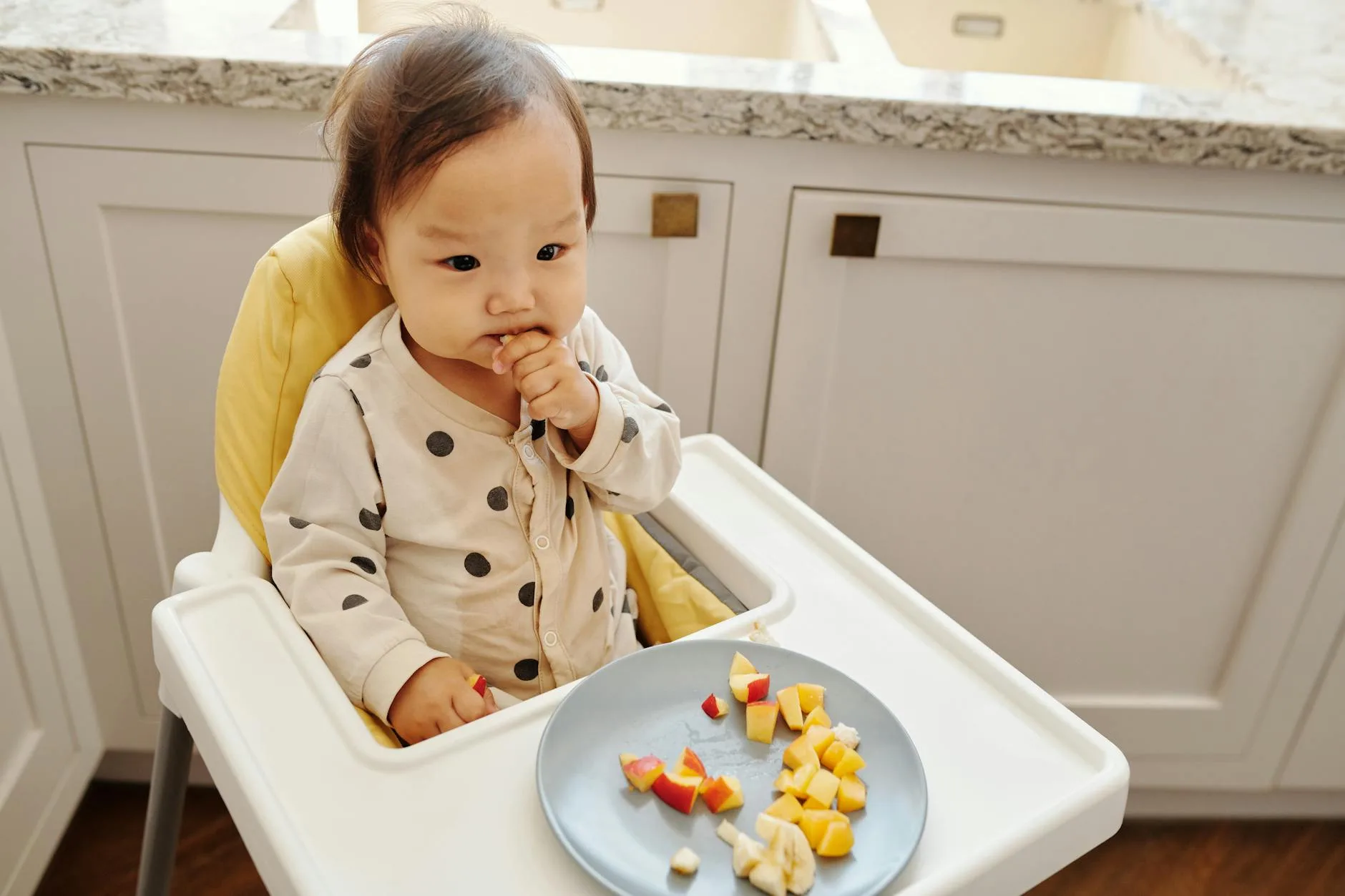
Meal Ideas by Age
Six Months (First Tastes)
- Breakfast: iron-fortified porridge with mashed banana and a thin spread of peanut butter
- Lunch: steamed broccoli florets and sweet potato batons with lentil dhal for dipping/loading
- Dinner: avocado mashed on toast fingers with a few flakes of poached salmon
Seven to Eight Months (Texture Building)
- Breakfast: scrambled egg with toast soldiers, sliced strawberries
- Lunch: chicken and vegetable pasta (fusilli in mild tomato sauce, well-cooked)
- Dinner: fish pie (flaked cod, potato mash, peas) — mashed, not pureed
Nine to Twelve Months (Family Food)
- Breakfast: Weetabix with full-fat milk and blueberries (squashed), or pancakes
- Lunch: cheese and tomato omelette cut into strips, steamed green beans
- Dinner: shepherd’s pie (no added salt), broccoli, and mashed carrot — essentially what the family eats, without the seasoning
How Much Should They Eat
Six Months
One “meal” per day initially (a few spoonfuls or a couple of finger food pieces). Breastmilk or formula remains their primary nutrition. Food at this stage is about exploration, taste exposure, and motor skill development — not calories.
Seven to Nine Months
Two to three meals per day, gradually increasing quantity as they show interest. Some days they eat loads; some days they eat nothing. Both are normal. Milk feeds reduce naturally as solid intake increases — follow your baby’s lead rather than forcing either.
Ten to Twelve Months
Three meals plus 1-2 snacks daily. By 12 months, solids should be their main nutrition source with milk (breast or cow’s) as a drink alongside meals. Portion size: roughly their fist-sized amount per food group at each meal. Do not stress about exact quantities — appetite varies wildly day to day. You may also want to read Pushchair Weight Limits: When Is Your Child Too Big?.
Common Weaning Mistakes
Starting Too Early
“My baby watches me eat” and “they seem hungry” at four months are not signs of readiness — they are signs of normal baby curiosity. Starting before the gut is ready (before six months per NHS guidance) increases allergy and infection risk. Wait for the three readiness signs.
Avoiding Allergens
The old advice (“avoid peanuts until three”) is outdated and harmful. Early, regular allergen introduction from six months is protective. If you have a family history of allergies, speak to your GP about supervised introduction — but do not avoid entirely.
Staying on Purees Too Long
Smooth food past 8-9 months creates texture aversion. Babies need lumps, chunks, and chewable foods to develop oral muscles and feeding confidence. The mess and the gagging are part of normal learning. Push texture forward at each stage of weaning rather than staying in the comfortable smooth zone.
Offering Separate “Baby Food”
From 7-8 months onwards, babies can eat most of what the family eats (minus salt, honey, and choking hazards). Cooking separate bland purees when the family is eating spaghetti bolognese teaches nothing about real food. Serve them a portion of the family meal, mashed or cut appropriately.
Panicking About Gagging
Gagging is a safety reflex — the baby’s gag reflex is further forward on the tongue than an adult’s, triggered by unfamiliar textures. It looks alarming but is not dangerous. Choking (silent, no coughing, turning blue) is dangerous. Learn the difference, do a baby first aid course, and let them gag without removing food.
Frequently Asked Questions
Do I need to buy special baby food? No. Pouches and jars are convenient for travel but are not nutritionally superior to home-cooked food. They are expensive per serving (£1-2 each) and often sweeter than home-prepared equivalents because fruit puree is used as a base. For daily meals, cooking your own food and offering appropriate family meals is cheaper, more varied, and develops better eating habits.
What if my baby refuses everything? Normal in the first few weeks. Offer food without pressure, let them play with it, accept rejection without showing frustration. Most babies need 10-15 exposures to a new food before accepting it. Keep offering — today’s rejected broccoli might be next month’s favourite food.
Can I wean before six months if my baby seems ready? The NHS recommends not before six months. Between 4-6 months is technically possible under GP guidance for specific medical reasons, but not recommended as routine. The digestive system is more mature at six months, reducing infection and allergy risk. Patience for those extra weeks pays off.
How do I know if my baby is getting enough iron? Offer iron-rich foods (meat, lentils, fortified cereal, egg yolk) daily from the start of weaning. Signs of iron deficiency include unusual tiredness, pale skin, and poor appetite — see your GP for a blood test if concerned. Babies born prematurely may need iron supplements regardless of diet.
Is gagging the same as choking? No. Gagging involves coughing, retching, and pushing food forward — it is noisy and the baby’s colour stays normal. Choking is silent — the airway is blocked, no sound comes out, and the baby may turn blue. If gagging, wait and let them resolve it. If choking (silent, colour change), perform infant back blows immediately and call 999.