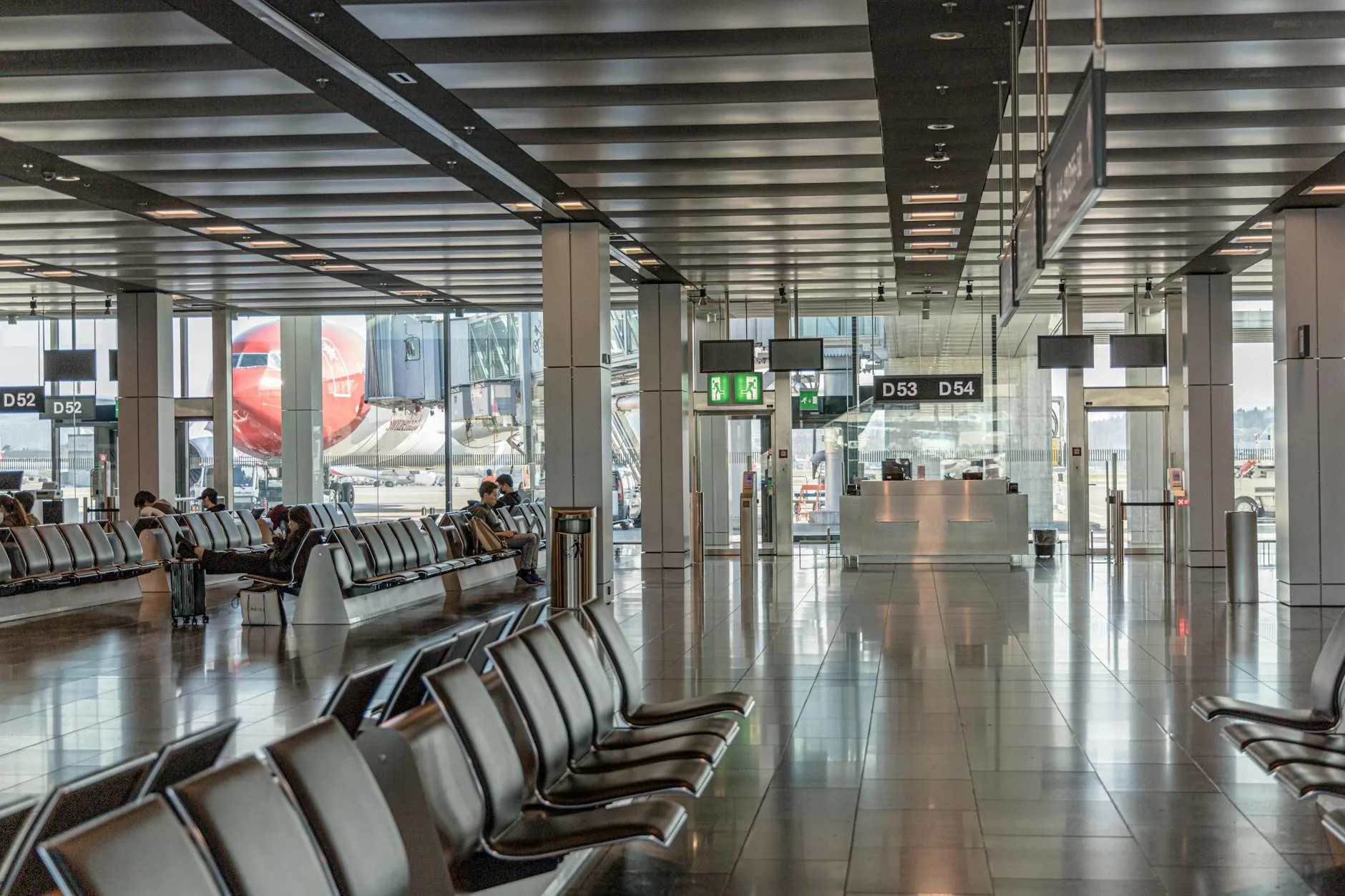
It’s 4am, you’re at Gatwick with a screaming toddler, a suitcase that won’t close, and a pushchair that’s apparently “not allowed past this point.” The check-in assistant is gesturing vaguely toward an oversized baggage area, your partner is holding a melting Petit Filous, and you’re already regretting not just driving to Cornwall. Flying with a pushchair doesn’t need to be this stressful — but it does need planning. The rules vary by airline, the gates are different at every airport, and nobody tells you any of it until you’re standing there at 4am. We’ve flown with pushchairs on easyJet, BA, and Ryanair and learned most of these lessons the hard way.
In This Article
- Airline Pushchair Policies: What You Need to Know
- Gate Check vs Hold Luggage: Which Is Better?
- UK Airline-Specific Rules
- Preparing Your Pushchair for the Flight
- Travel Bags and Protection: Are They Worth It?
- Navigating the Airport with a Pushchair
- Compact Travel Pushchairs: Cabin-Sized Options
- At Your Destination: Reclaiming Your Pushchair
- What to Do If Your Pushchair Gets Damaged
- Frequently Asked Questions
Airline Pushchair Policies: What You Need to Know
Every major airline allows you to take a pushchair for free when travelling with a child. It doesn’t count toward your baggage allowance. That’s the universal good news. The differences lie in where they take it from you, how they transport it, and when you get it back.
The Free Pushchair Rule
Under aviation regulations, pushchairs (also called strollers or buggies) are classified as mobility equipment for children. Airlines must transport them without charge. This applies to budget carriers like Ryanair and easyJet just as much as British Airways or Virgin Atlantic. You won’t pay a penny extra.
Size and Weight Limits
Most airlines don’t impose strict weight limits on pushchairs, but there are practical constraints. Oversized or heavy pushchairs (like the Bugaboo Fox or iCandy Peach with all accessories attached) may need to go in the hold rather than being gate-checked. As a general rule:
- Under 10kg and compact fold: eligible for gate check at most airlines
- Over 10kg or bulky fold: may be directed to hold luggage at check-in
- Double pushchairs: almost always go in the hold — they’re too large for gate check
Gate Check vs Hold Luggage: Which Is Better?
Gate Check
Gate check means you use your pushchair all the way through the airport — security, departures, the gate — and hand it over at the aircraft door. It goes in the cargo hold during the flight and is returned to you either at the aircraft door when you land (ideal) or at the oversized baggage belt (common).
- Pros: pushchair available throughout the airport, less time without it, less handling by baggage systems
- Cons: must fold it at the gate while managing a toddler and bags, sometimes returned at baggage reclaim rather than the aircraft door
Hold Luggage
You hand the pushchair over at check-in and don’t see it again until baggage reclaim at your destination. Most airports provide courtesy pushchairs (loan buggies) for the terminal, but availability varies.
- Pros: one less thing to manage in the airport, can protect it in a travel bag
- Cons: no pushchair through the airport, more handling means more damage risk, no access at layover airports during connections
Which We Recommend
Gate check every time, unless your pushchair is too large. Having the pushchair through the terminal is worth the 60 seconds of folding at the gate. After flying with our pushchair a dozen times, the routine becomes second nature — fold, tag, hand over, board.
UK Airline-Specific Rules
British Airways
BA allows gate check for compact pushchairs and holds them as free checked luggage otherwise. You can use the pushchair through the terminal and hand it over at the aircraft door. BA is generally the smoothest experience — they handle pushchairs well and usually return them at the aircraft door on landing.
easyJet
easyJet allows one pushchair per child, free of charge. Gate check is available at most airports, though some smaller airports require check-in drop-off. Their website states pushchairs should be “foldable” — rigid, non-folding frames must go as hold luggage.
Ryanair
Ryanair allows one pushchair per child, free. They recommend checking it at the bag drop, but gate check is available if you ask at the gate. Ryanair’s handling is rougher than most — see the protection section below. We’ve had a Ryanair flight return our pushchair with a new scratch on the frame. Nothing structural, but worth noting.
Jet2
Jet2 is excellent with families. Free pushchair, gate check available, and they often return it at the aircraft door. Staff are generally helpful with folding and tagging.
TUI
TUI requires pushchairs to be checked at the desk, not gate-checked. They go in the hold from check-in. This means no pushchair through the terminal — ask about courtesy buggies at the check-in desk. One of the less convenient policies for families.
Preparing Your Pushchair for the Flight
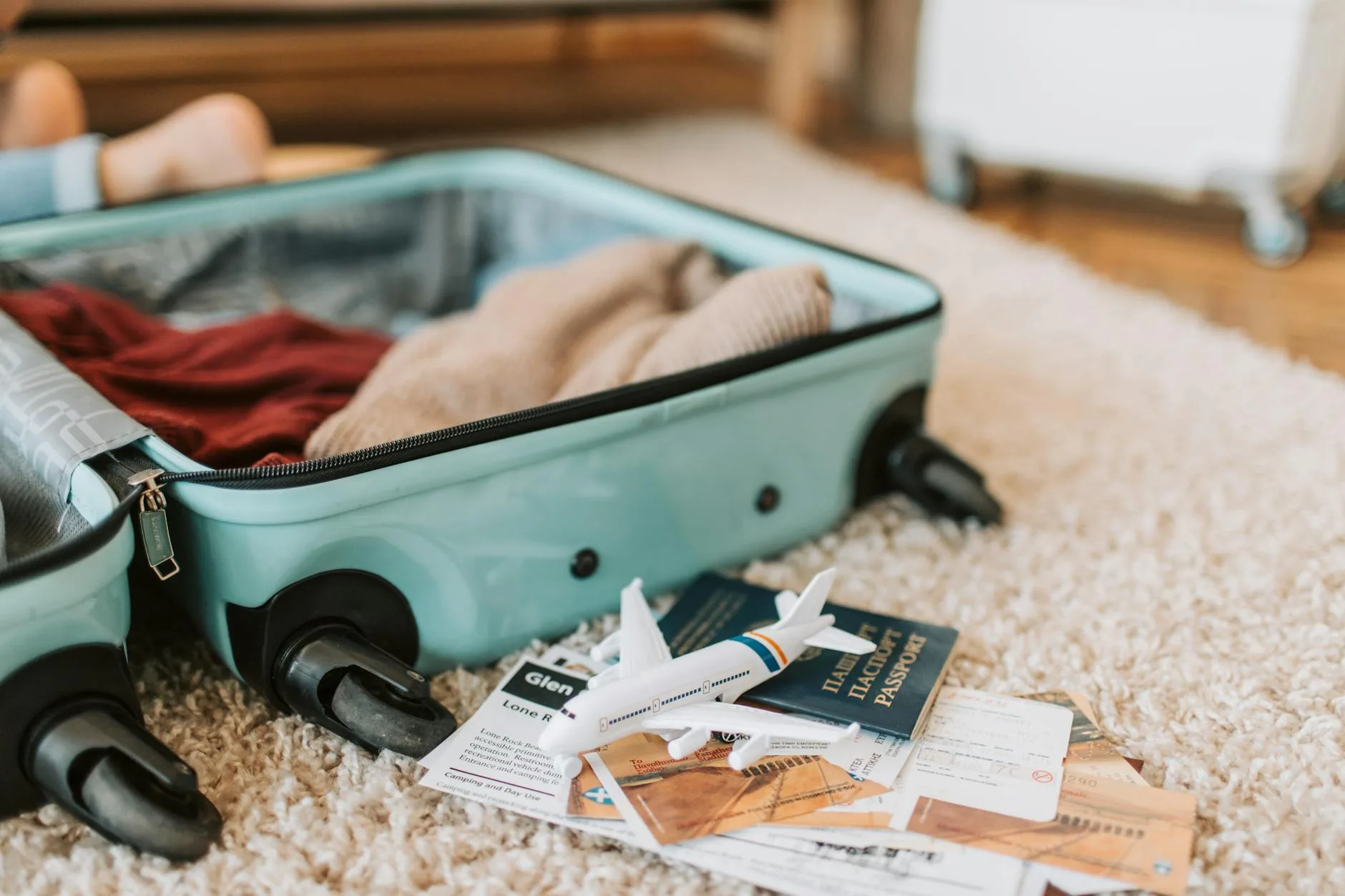
Remove Accessories
Before you get to the airport, take off everything that isn’t permanently attached:
- Cup holders — they snap off in cargo handling
- Phone holders and toys — these will disappear
- Rain covers — fold separately and put in your hand luggage
- Shopping baskets/bags — remove or zip closed
- Snack trays — detach if possible
Anything loose will either break or go missing. The cargo hold is a rough environment — pushchairs get stacked, shifted, and occasionally dropped. Remove everything you value.
Clean and Fold at Home
Practice folding your pushchair before the trip. At the gate, you’ll have approximately 90 seconds while other passengers board, your toddler screams, and the gate agent watches. This is not the time to consult the manual. Fold it five times at home until it’s muscle memory. For a related angle, see our Bugaboo vs iCandy vs Silver Cross: Premium Pushchair Comparison guide.
Give the pushchair a quick wipe-down too. Airport security sometimes asks to swab pushchairs for explosives residue — a sticky, Weetabix-encrusted frame is not a good look.
Lock the Fold
Make sure the pushchair’s fold lock engages properly. An unsecured fold can open in the cargo hold, leading to bent frames or damaged mechanisms. Most modern pushchairs have automatic fold locks — check yours works and isn’t gunked up with dried snack.
Travel Bags and Protection: Are They Worth It?
The Case For
A padded travel bag protects your pushchair from scratches, scuffs, and rain in the cargo hold. If you have a premium pushchair (£500+), a £30-£50 travel bag is cheap insurance. It also keeps the pushchair clean — cargo holds aren’t spotless.
Recommended options:
- BabyZen YOYO Travel Bag (about £35) — designed for compact pushchairs, padded, with wheels
- ClevrPlus Universal Stroller Bag (about £25) — fits most standard pushchairs, basic protection
- Gate Check Pro (about £20) — simple drawstring bag, protects from dirt and light scratches
The Case Against
A travel bag adds weight and bulk to your airport luggage. If you’re travelling with hand luggage only (plus the pushchair), that bag has to go somewhere. Some parents stuff it in the pushchair basket during the flight; others fold it into a hand-luggage bag.
For budget pushchairs under £200, a travel bag probably isn’t worth the bother. If it gets scuffed, it’s cosmetic — the pushchair still works fine.
Our View
If your pushchair cost over £400 — Bugaboo, iCandy, Silver Cross — use a travel bag. If it’s a £150 Joie, skip it. The middle ground: a basic drawstring bag (£15-£20) that keeps the worst of the dirt off without adding much weight. Our pushchair maintenance guide covers cleaning up after travel damage.
Navigating the Airport with a Pushchair
Security Screening
You’ll need to fold the pushchair and put it through the X-ray machine at security. Some airports have a separate lane for families (Gatwick and Heathrow usually do; smaller airports often don’t). The pushchair goes through the large item scanner. You carry the child. Our How to Push a Pushchair on Sand, Gravel & Muddy Paths guide is useful alongside this.
Remove any items from the pushchair basket before the X-ray — water bottles, nappies, snacks. Security staff will ask you to empty it anyway, and doing it proactively saves time.
Lifts and Escalators
Airport lifts are often tucked away in corners, badly signposted, and slow. Find them in advance on the airport’s website or app. Most UK airports have dedicated family routes — follow the signs for “buggies and wheelchairs” rather than joining the escalator queue.
Priority Boarding
Most airlines offer priority or family boarding for passengers with young children. This gives you extra time to fold the pushchair, stow your bags, and settle the child before the scrum of general boarding. Use it. Even if you normally avoid priority boarding, the extra 5 minutes is invaluable with a pushchair and a toddler.
Compact Travel Pushchairs: Cabin-Sized Options
A few ultracompact pushchairs fold small enough to go in the overhead locker as cabin luggage. This eliminates the entire gate-check process and means your pushchair is with you throughout.
Options That Fit Overhead
- BabyZen YOYO2 (about £400-£450) — the gold standard. Folds to 52 x 44 x 18cm, fits in most overhead bins. Weighs 6.2kg. Approved as cabin luggage by most airlines
- GB Pockit (about £150-£180) — the smallest fold on the market at 35 x 42 x 18cm. Ultra-lightweight at 4.3kg. Basic but functional for travel
- Ergobaby Metro+ (about £250) — folds to cabin size, weighs 6.3kg, and has a more substantial feel than the Pockit
- Babyzen YOYO Connect (about £550) — if you need a double for two children, this is the only cabin-sized option
Are They Worth It?
If you fly more than twice a year with a young child, a cabin-sized pushchair pays for itself in reduced stress. No gate check, no damage risk, no waiting at oversized baggage. You walk off the plane and you’re ready to go.
The trade-off is that cabin pushchairs are smaller and lighter, which means less padding, smaller hoods, and a bumpier ride on rough pavement. They’re brilliant for airports and cities but less suitable as your only pushchair for everyday use. Consider a full-size pushchair for daily use and a compact model for travel.
At Your Destination: Reclaiming Your Pushchair
Aircraft Door Return
The best outcome. You step off the plane and your pushchair is waiting at the end of the jet bridge. Unfold it, strap in the child, and you’re through arrivals with your hands free. This is more common with full-service airlines (BA, Jet2) and at larger airports. We cover a similar decision in Pushchair Accessories Worth Buying: Rain Covers, Liners & Organisers.
Oversized Baggage Belt
The more common outcome, especially at budget airline destinations. Your pushchair arrives on the oversized items belt — a separate conveyor near the regular baggage carousel. It might take 10-20 minutes after landing. In the meantime, you’re carrying a potentially sleeping toddler through passport control and a long corridor.
Courtesy Buggies
Some airports (particularly in Europe) offer courtesy pushchairs for the walk between the gate and baggage reclaim. Availability is inconsistent — don’t rely on it, but take one if offered.
The Civil Aviation Authority has guidance on your rights when flying with children, including pushchair handling.
What to Do If Your Pushchair Gets Damaged
Report It Immediately
If your pushchair comes back damaged, report it before you leave the airport. Go to the airline’s baggage desk (usually near the oversized belt) and file a Property Irregularity Report (PIR). Take photos of the damage with your phone, including close-ups and the baggage tag.
Airline Liability
Under the Montreal Convention, airlines are liable for damage to checked luggage — and pushchairs count. You’re typically entitled to repair or replacement value, though airlines will try to offer vouchers first. Be persistent and quote the Montreal Convention if they push back.
Timeline
You usually have 7 days from landing to file a written claim. Do it on day one — airlines are more responsive to immediate claims than ones filed a week later. Keep all receipts: original purchase receipt, repair quotes, and the PIR reference number.
Insurance
Check your travel insurance policy. Most cover pushchair damage under the “luggage” section, but some exclude items checked for free (like pushchairs and car seats). Read the small print before you fly. If your pushchair is expensive, consider adding it as a specified item.
Frequently Asked Questions
Can I take a pushchair on a plane for free? Yes. All airlines allow one pushchair per child free of charge. It doesn’t count toward your baggage allowance. This applies to budget carriers like Ryanair and easyJet as well as full-service airlines like BA and Virgin Atlantic.
Can I use my pushchair all the way to the gate? At most airports and with most airlines, yes. This is called gate check — you use the pushchair through the terminal and hand it over at the aircraft door. Some airlines (notably TUI) require you to check it at the desk instead.
Will my pushchair fit in the overhead locker? Only ultracompact models like the BabyZen YOYO2, GB Pockit, and Ergobaby Metro+ fold small enough for overhead bins. Standard pushchairs are too large and must be gate-checked or checked as hold luggage.
What happens if the airline damages my pushchair? Report the damage at the airport baggage desk before leaving. File a Property Irregularity Report, take photos, and submit a written claim within 7 days. Airlines are liable under the Montreal Convention for damage to checked items including pushchairs.
Do I need a travel bag for my pushchair? For premium pushchairs over £400, a padded travel bag (£20-£50) is worthwhile insurance against scratches and dirt. For budget pushchairs, a basic drawstring bag or nothing at all is fine — cosmetic damage doesn’t affect function.