It’s 3am, the baby is crying, and you’re standing in the nursery wondering whether it’s too hot, too cold, or something else entirely. You check the thermometer — 23°C. Is that fine? Too warm? You Google it on your phone and get twelve different answers. Room temperature for baby sleep is one of those topics where every parent worries but nobody gives a clear, simple answer. Here’s what the evidence actually says, what to do in UK summers when bedrooms hit 28°C, and how to stop overthinking it.
In This Article
- The Recommended Range
- Why Temperature Matters for Baby Sleep
- Measuring Room Temperature Accurately
- Summer: How to Keep the Room Cool
- Winter: How to Keep the Room Warm Safely
- What to Dress Baby In by Temperature
- Signs Your Baby Is Too Hot or Too Cold
- Common Myths
- Frequently Asked Questions
The Recommended Range
The Lullaby Trust — the UK’s leading safe sleep charity — recommends keeping the room between 16-20°C for baby sleep. This range reduces the risk of SIDS (sudden infant death syndrome) and helps babies regulate their own body temperature, which they’re not very good at during the first year.
The Sweet Spot
Most parents find 18°C is the practical sweet spot. It’s comfortable for the baby, not so cold that you’re shivering during night feeds, and achievable in most UK homes with central heating set sensibly. If your room sits at 18-19°C, you’re in the ideal zone and don’t need to stress about the exact number.
Don’t Panic About Precision
The 16-20°C range is guidance, not a hard boundary. A room at 21°C isn’t dangerous — it just means dressing the baby in one less layer. A room at 15°C isn’t dangerous either — add a layer. The risk increases at extremes (above 24°C or below 14°C), not from being a degree outside the recommended range.
Why Temperature Matters for Baby Sleep
SIDS Risk
Overheating is a known risk factor for SIDS. Babies who are too warm are less able to arouse from deep sleep, which is a protective mechanism against breathing interruptions. The Lullaby Trust’s advice on room temperature is based directly on this evidence. Keeping the room cool and avoiding over-dressing reduces this risk.
Sleep Quality
Babies sleep better in cooler conditions — just like adults. A warm room leads to more night waking, more restlessness, and shorter sleep cycles. The 16-20°C range promotes deeper, more consolidated sleep. If your baby wakes frequently and the room is above 22°C, temperature is one of the first things to address.
Thermoregulation
Babies under 12 months can’t regulate their own body temperature well. They lose heat through their heads (which is why hats are for outdoor use, never sleep), and they can’t kick off a blanket or pull one up. This means you’re managing their temperature for them — through room temperature, clothing, and sleep bag tog rating.
Measuring Room Temperature Accurately
Where to Place the Thermometer
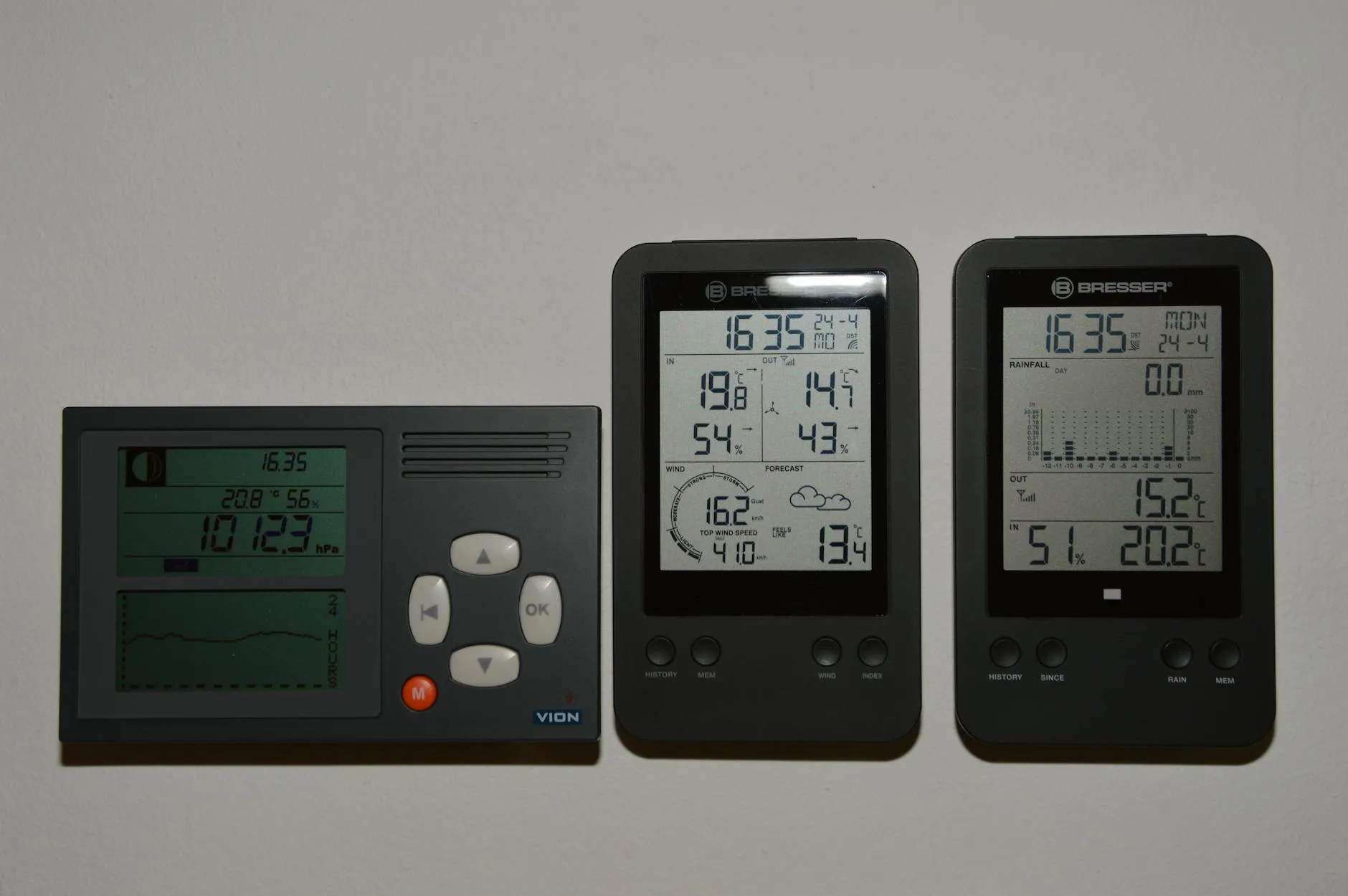
Put it at cot level, away from windows, radiators, and direct sunlight. The temperature at adult head height can be 2-3°C warmer than at cot level (heat rises). A thermometer on the wall next to the radiator will read 25°C when the cot area is 20°C.
What to Use
- Room thermometer — basic digital thermometer (about £5-10 from Boots or Amazon UK). Accurate and reliable.
- Baby monitor with temperature display — many modern monitors (Angelcare, BT, Motorola) include a room temperature sensor. Convenient but check accuracy against a standalone thermometer — some read 1-2°C high.
- Smart thermometer — devices like the Nest thermostat display room temperature on screen and in the app. Useful if you already have one, but don’t buy one just for this.
Our baby monitor guide covers monitors with temperature features if you’re in the market for one.
Checking at Night
Temperature drops through the night, especially in UK homes where the heating goes off at 10pm. A room that’s 20°C at bedtime might be 16°C at 3am. Check the thermometer during night feeds to understand how your room behaves, and adjust clothing or heating accordingly. For a related angle, see our Swaddling vs Sleeping Bags: Which Helps Babies Sleep Better? guide.
Summer: How to Keep the Room Cool
UK summers increasingly produce bedroom temperatures of 25-30°C. This is above the recommended range, and it’s the scenario most parents worry about.
Practical Cooling Strategies
- Close curtains during the day — blackout curtains block solar heat gain. Close them from mid-morning on south and west-facing rooms.
- Open windows at night — once outdoor temperature drops below the room temperature (usually after 8-9pm in summer), open the nursery window. Use a window restrictor (about £5-8 from B&Q or Screwfix) for safety.
- Use a fan — a fan doesn’t cool the air but creates airflow that helps the baby regulate temperature. Point it at the wall or ceiling, not directly at the baby. A quiet oscillating fan on the far side of the room works well.
- Remove layers — in a room above 25°C, a nappy and a single vest is enough. Above 27°C, just a nappy.
- Cool bath before bed — a lukewarm (not cold) bath lowers core body temperature and signals sleep time.
What NOT to Do
- Don’t use ice packs or cold towels in the cot — risk of hypothermia and dampness
- Don’t put the baby to sleep in only a nappy in a room below 24°C — too cold
- Don’t use a portable air conditioning unit that drips condensation near the cot
- Don’t leave windows open unsecured — always use a restrictor
Winter: How to Keep the Room Warm Safely
UK winters bring the opposite problem: rooms that drop to 14-15°C overnight when the heating cycles off.
Safe Heating
- Central heating on a timer — set it to maintain 16-18°C overnight. Most modern thermostats allow you to set a lower overnight temperature.
- Oil-filled radiator — if you need supplemental heating, a thermostat-controlled oil-filled radiator is the safest option. They don’t have exposed elements, don’t dry the air excessively, and maintain a steady temperature. About £30-60 from Argos or Currys.
- Never use a fan heater in an unattended nursery — they overshoot temperature targets and pose a fire risk if covered.
- Never use an electric blanket or hot water bottle in a baby’s cot.
Draughts
Check for draughts around windows and doors. A draught across the cot drops the effective temperature the baby experiences even if the room thermometer reads 18°C. Draft excluders (about £3-5 from B&Q) solve most window draughts cheaply.
What to Dress Baby In by Temperature
This is the practical bit that most parents need. Our guide to choosing the right tog rating covers sleep bags in detail, but here’s the quick reference.
Sleep Bag + Clothing by Room Temperature
- 24°C+ — just a nappy, or nappy + short-sleeve vest. No sleep bag. This is a hot room — strip back.
- 22-24°C — short-sleeve vest + 0.5 tog sleep bag
- 20-22°C — short-sleeve vest + 1.0 tog sleep bag
- 18-20°C — long-sleeve vest or babygrow + 1.0-2.5 tog sleep bag (the sweet spot)
- 16-18°C — long-sleeve babygrow + 2.5 tog sleep bag
- Below 16°C — long-sleeve babygrow + cardigan + 2.5-3.5 tog sleep bag. Also: fix your heating.
The Feel Check
Touch the back of the baby’s neck or chest (not hands or feet — these are always cooler). If the skin feels warm and dry, they’re fine. If it’s hot or sweaty, remove a layer. If it’s cool, add one. This is more reliable than any chart because every baby runs slightly differently.
Signs Your Baby Is Too Hot or Too Cold
Too Hot
- Sweaty neck or chest — the most reliable sign
- Flushed cheeks — red, hot face
- Damp hair — from sweating
- Rapid breathing — heat stress increases respiratory rate
- Restless, unsettled sleep — waking frequently, unable to settle
Too Cold
- Cool chest or tummy (not just hands/feet)
- Mottled or blueish skin colour — seek medical attention if persistent
- Unusually still or quiet — very cold babies become lethargic
- Cold hands AND cold torso — cold hands alone are normal; cold torso is the concern
What to Do
If too hot: remove a layer, check the room temperature, increase ventilation. If too cold: add a layer, check for draughts, increase heating. In both cases, check again in 20 minutes. Babies adjust quickly once you make the change.
Room-by-Room Considerations
Not all rooms in a UK house behave the same way, and understanding your nursery’s quirks helps you manage temperature proactively.
South and West-Facing Rooms
These rooms absorb the most solar heat and can be 4-6°C warmer than north-facing rooms by late afternoon in summer. If your nursery faces south or west, blackout curtains with thermal backing are essential — standard curtains reduce heat gain by about 30%, but thermal-backed blackouts reduce it by up to 60%. Consider moving the baby to a cooler room during heatwaves if available. Our Toddler Night Lights: Do They Help or Hinder Sleep? guide is useful alongside this.
Top-Floor Rooms
Heat rises. A loft conversion or top-floor bedroom will be the warmest room in the house in summer and potentially the coldest in winter (especially if insulation is poor). Roof windows (Velux) are brilliant for ventilation but terrible for solar heat gain. External blinds or reflective film on roof windows makes a substantial difference.
Ground-Floor Rooms
Typically the coolest in summer and the most stable in temperature. If your house has a ground-floor spare room, it may be a better nursery option during summer months than a first-floor bedroom. The convenience trade-off is real, but so is the temperature difference.
Victorian and Older Houses
Sash windows, high ceilings, and solid walls create different thermal behaviour than modern homes. These houses can be draughty in winter but cooler in summer — the thick walls act as thermal mass. The main challenge is uneven heating: the side near the radiator might be 22°C while the far wall is 16°C. Position the cot away from both the radiator and the coldest wall.

Common Myths
“Babies Need a Warm Room to Sleep”
The opposite is true. Babies sleep better and more safely in cool rooms. The 16-20°C recommendation exists because overheating is a greater risk than being slightly cool. A room you find comfortable in a jumper is probably right for a baby in a sleep bag. We cover a similar decision in How to Fit Three Car Seats Across the Back Seat.
“Cold Hands Mean the Baby Is Cold”
Babies have poor circulation to their extremities. Cold hands and feet are normal and don’t indicate the baby is too cold. Check the chest or back of the neck instead.
“You Should Never Open a Window in a Baby’s Room”
Fresh air and ventilation are good for babies. An open window (with a restrictor) in summer is one of the best ways to manage room temperature. The concern is security and falling, not the air itself.
“Fans Are Dangerous for Babies”
Studies suggest that using a fan in a baby’s room may actually reduce SIDS risk by improving air circulation. Don’t point it directly at the baby — aim at the wall or ceiling for gentle ambient airflow. A quiet fan on the lowest setting creates enough movement to prevent stale air pockets around the cot, which is the mechanism researchers believe provides the protective effect. In UK summers, a fan is one of the safest and most effective tools for managing nursery temperature.
Frequently Asked Questions
What temperature should a baby’s room be for sleeping? The Lullaby Trust recommends 16-20°C. Most parents find 18°C is the practical sweet spot. The key is avoiding extremes — above 24°C or below 14°C is where risk increases. A degree or two outside the range is fine with appropriate clothing adjustments.
How do I cool a baby’s room in summer UK? Close curtains during the day to block solar heat, open windows at night with a restrictor, use a fan pointed at the wall (not the baby), and reduce clothing layers. Above 25°C, a nappy and vest is enough. Above 27°C, just a nappy.
What tog sleeping bag for what temperature? As a guide: 0.5 tog for 22-24°C, 1.0 tog for 20-22°C, 2.5 tog for 16-20°C. Always pair with appropriate clothing — a 2.5 tog bag with a babygrow at 18°C is the standard combination for UK bedrooms.
How do I know if my baby is too hot at night? Touch the back of their neck or chest. If it feels hot or sweaty, they’re too warm — remove a layer or reduce the tog rating. Flushed cheeks, damp hair, and restless sleep are also signs of overheating.
Is 22 degrees too hot for a baby to sleep? It’s at the upper end of the recommended range. Dress the baby in a short-sleeve vest with a 1.0 tog sleep bag and they should be comfortable. It’s not dangerous, but if the room regularly sits above 22°C, improving ventilation will help both sleep quality and safety.