You’re at the beach, the car park is 200 metres away across soft sand, and the pushchair wheels have buried themselves up to the axle. Your toddler is screaming, the nappy bag is sliding off the handle, and you’re basically dragging the whole lot sideways like a plough. Nobody warned you about this. The pushchair that glides beautifully through John Lewis turns into an immovable object the moment the surface changes. Sand, gravel, mud, cobblestones — they all require different approaches, and some pushchairs handle them far better than others. Here’s what actually works.
In This Article
- Why Terrain Matters More Than You Think
- Wheel Types and What They Handle
- Pushing on Sand
- Pushing on Gravel and Loose Stones
- Pushing Through Mud
- Cobblestones and Uneven Paving
- Pushchair Features That Help on Rough Ground
- Accessories That Make a Difference
- When a Carrier Is the Better Option
- Frequently Asked Questions
Why Terrain Matters More Than You Think
Most pushchairs are designed for flat, hard surfaces — pavements, shopping centre floors, airport terminals. The moment you leave tarmac, the engineering assumptions change. Small wheels dig in. Swivel castors spin uselessly. Suspension that copes fine with a kerb drop gives up entirely on a rutted footpath.
The UK Problem
We don’t live in a country of smooth pavements and flat parks. National Trust properties have gravel paths. Coastal walks have sandy stretches. Country pubs have muddy car parks. City centres have cobblestones. If you ever leave your house with a pushchair, you’re going to encounter terrain that wasn’t in the brochure.
What Goes Wrong
The physics is simple: small wheels have a smaller contact area with the ground, so they sink into soft surfaces more easily. Hard plastic wheels have zero grip on wet or loose surfaces. Single front wheels tip more easily on uneven ground than double front wheels. These aren’t design flaws — they’re trade-offs made for lightweight urban use that fail on anything else.
Wheel Types and What They Handle
Small Plastic Wheels (12-16cm)
Found on lightweight strollers and umbrella buggies. Excellent on smooth floors, terrible on everything else. If your daily life is mostly pavement and shops, these are fine. If you regularly walk on anything softer or rougher, they’ll frustrate you constantly.
Medium Foam-Filled Wheels (18-22cm)
The middle ground that most mid-range pushchairs use. Foam-filled tyres (also called EVA tyres) don’t puncture, offer decent shock absorption, and handle light gravel and firm grass reasonably well. They struggle on soft sand and deep mud but cope with most UK park paths.
Large Air-Filled Wheels (24-30cm)
The off-road option. Air-filled (pneumatic) tyres — like bicycle tyres — provide the best grip and shock absorption on rough ground. They roll over bumps, grip on mud, and float better on sand. The trade-off: they can puncture, they add weight, and the pushchair is bulkier to fold and transport. Found on jogging strollers and all-terrain models like the Out’n’About Nipper and Mountain Buggy.
Hybrid Designs
Some pushchairs (like the Bugaboo Fox) use a mix — larger rear wheels with smaller front wheels. This improves rear traction while keeping the front manoeuvrable on smooth surfaces. A decent compromise if you split time between pavements and parks.
Pushing on Sand
Sand is the worst surface for most pushchairs. It’s soft, shifting, and gets into everything. Here’s what helps:
Technique
- Lock the front swivel wheels into the forward-facing position. Swivel mode on sand means the wheels turn sideways and dig in.
- Tilt the pushchair back slightly so more weight is on the larger rear wheels. This reduces the front wheels’ tendency to bury.
- Push in a straight line. Turns on sand require much more force than on hard ground — plan your route before you start.
- Walk on wet, compacted sand near the waterline rather than dry, loose sand higher up the beach. The difference in rolling resistance is enormous.
What Works
Air-filled tyres are the clear winners on sand. The larger contact area and softer profile float on the surface rather than cutting through it. If you’re a regular beach goer, an all-terrain pushchair with 25cm+ air tyres makes life measurably easier. Having tested this across several Devon and Cornwall beaches over two summers, the difference between foam and air tyres on sand is night and day.
The Nuclear Option
If your pushchair simply won’t handle sand, a set of beach wheels exists — oversized balloon tyres that clip onto the frame. They’re more common for beach wheelchairs but some parents have adapted them. Alternatively, accept the limitation and use a baby carrier for beach trips.
Pushing on Gravel and Loose Stones
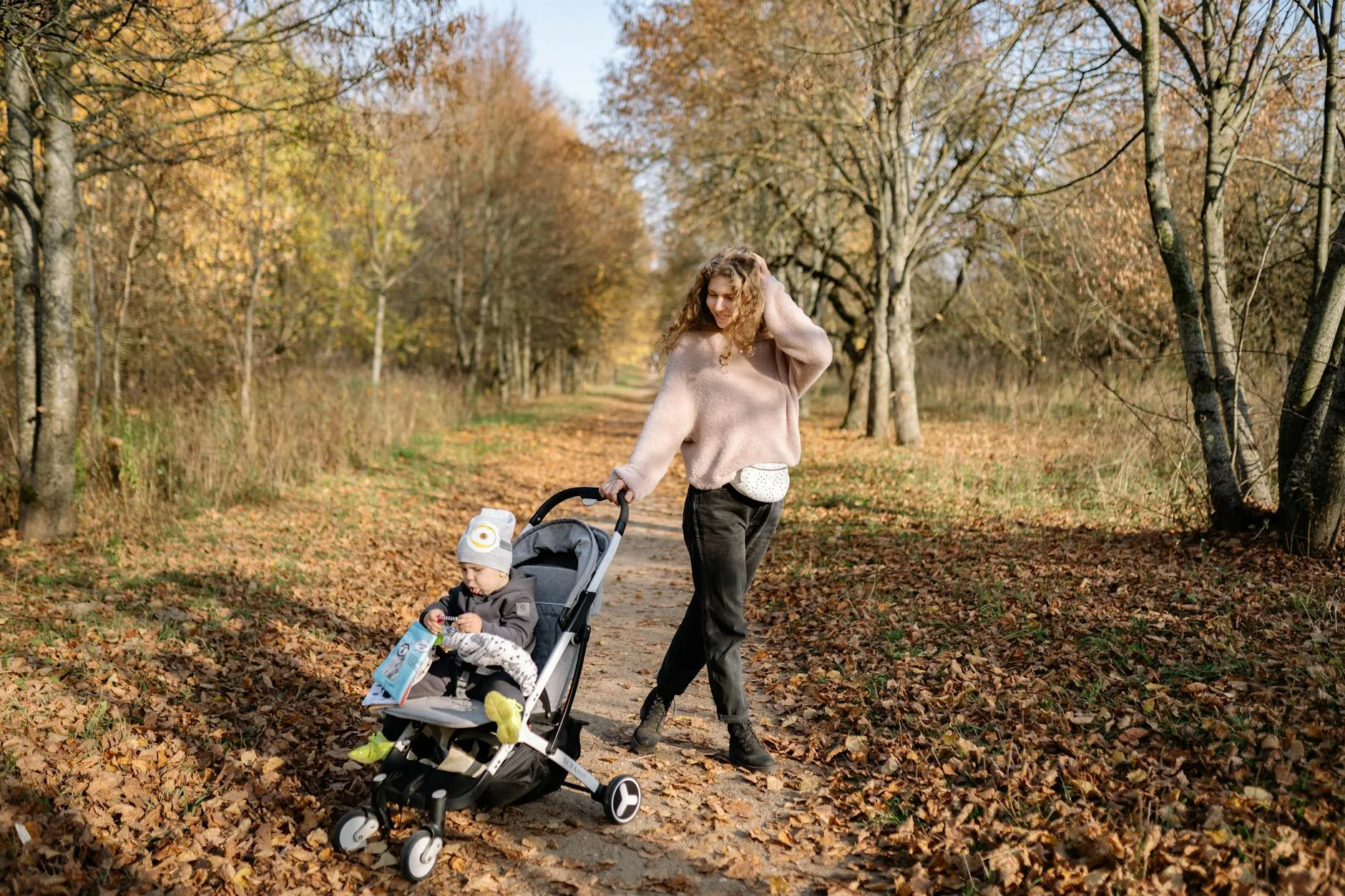
Gravel is less about sinking and more about vibration. Small stones transmit every bump directly through hard wheels and into the pushchair frame. Over a long gravel path (National Trust, I’m looking at you), this rattles your child and exhausts your wrists.
Technique
- Keep front wheels locked — swivel castors on gravel bounce unpredictably and make steering harder
- Reduce speed — slower pace means less vibration transmitted to the seat
- Choose the compacted track — gravel paths usually have a firmer strip where most people walk. Aim for that rather than the loose edges
Suspension Matters Here
This is the one terrain where pushchair suspension earns its keep. A pushchair with proper spring or elastomer suspension (not just a slightly flexible frame) absorbs gravel vibration noticeably. The difference between a rigid-frame stroller and a suspended all-terrain on a 500-metre gravel path is the difference between a sleeping child and a screaming one. Parents who’ve walked the trails at Stourhead or Blenheim will know exactly what I mean.
Best Pushchairs for Gravel
- Out’n’About Nipper Sport V5 (about £300-350 from John Lewis) — air tyres, proper suspension, three-wheel design that handles gravel brilliantly
- Mountain Buggy Terrain (about £450-500) — larger wheels than most, excellent suspension, handles like a mountain bike on rough paths
- Bugaboo Fox 5 (about £900-1,100) — foam tyres but with enough suspension and wheel size to handle firm gravel comfortably. Overkill on price but excellent build quality.
Pushing Through Mud
British parenthood and mud are inseparable. Footpaths after rain, festival fields, farm visits, autumn park walks — mud is inevitable.
Technique
- Lock front wheels forward. Always. Swivel wheels in mud are uncontrollable.
- Commit to your line. Hesitation and half-turns dig you in deeper. Pick a path and push through steadily.
- Lean forward and push from the frame, not the handles. This gives you more force and keeps the pushchair moving rather than tipping.
- If you get stuck, rock the pushchair forward and back like freeing a car from snow. Small rocking motions break the suction.
Tread Pattern
Air-filled tyres with actual tread (knobby patterns like a mountain bike) grip mud far better than smooth tyres. Foam-filled tyres with smooth profiles have essentially zero grip on wet mud — they slide rather than roll. This is where choosing the right pushchair for your lifestyle really pays off.
After the Mud
Don’t let mud dry on the pushchair. Dried mud is harder to remove, clogs wheel bearings, and accelerates corrosion on metal parts. Hose down the wheels and chassis as soon as you get home. A quick spray with WD-40 on the wheel axles after washing prevents seized bearings — something that catches parents out after their first muddy winter. We’ve covered the full pushchair cleaning and maintenance routine in a separate guide. Our How to Fly with a Pushchair: Airlines, Gates & Bag Tips guide is useful alongside this.
Cobblestones and Uneven Paving
City breaks, old town centres, historic sites — cobblestones are relentless on pushchairs and the humans pushing them.
The Problem
Cobblestones create a constant jarring vibration at walking pace. Small hard wheels transmit every gap between stones directly to the seat. Even with suspension, prolonged cobblestone walking is uncomfortable for the child and tiring for the parent. York, Edinburgh, Bath, Oxford — beautiful cities that are pushchair assault courses.
What Helps
- Larger wheels — bridge the gaps between cobbles rather than dropping into each one
- Air-filled tyres — absorb the constant micro-impacts
- Good suspension — protects the child from being vibrated constantly
- Pace — counterintuitively, a slightly faster walking pace can feel smoother than a slow crawl because momentum carries the wheels over gaps rather than dropping into them
Accessories
A sheepskin or padded seat liner adds another layer of cushioning between the child and the vibration. About £25-40 from John Lewis or Pushchair Trader. For older toddlers who sit upright, this makes a noticeable difference on long cobblestone stretches.
Pushchair Features That Help on Rough Ground
Adjustable Suspension
Not all “suspension” is equal. Some pushchairs just have a slightly flexible frame that the marketing team calls suspension. Actual adjustable suspension — spring-based or elastomer-based with a stiffness setting — lets you firm it up for pavements and soften it for trails. The Bugaboo Fox and Mountain Buggy range both offer this.
Lockable Front Wheels
This should be standard on every pushchair but isn’t. The ability to lock front swivel wheels into a fixed forward position transforms handling on any surface that isn’t flat tarmac. If a pushchair doesn’t have this feature, don’t buy it for off-road use. We cover a similar decision in Pushchair Accessories Worth Buying: Rain Covers, Liners & Organisers.
One-Hand Fold
Not directly terrain-related, but when you’re standing in a muddy car park holding a toddler and a nappy bag, a one-hand fold is the difference between manageable and miserable. Practise the fold at home before you need it in the rain.
Weight Distribution
Pushchairs with lower-mounted baskets and wider wheelbases are more stable on uneven ground. Top-heavy designs (especially with a heavy bag hanging from the handles) tip more easily on slopes and ruts. The Lullaby Trust advises against hanging heavy bags from pushchair handles for safety reasons — a bag hook on the frame is much safer.
Accessories That Make a Difference
Pushchair Wheels and Tyres
- Inner tubes — carry a spare if you use air-filled tyres regularly on rough ground. A puncture on a country walk is no fun. About £5-8 per tube from Halfords or Amazon UK.
- Tyre pump — a compact bicycle pump fits in the basket. Under-inflated tyres make every surface harder to push on.
Rain and Mud Protection
- Raincover — should come with the pushchair but if not, universal covers cost about £10-15
- Mudguards — some all-terrain pushchairs have them. If yours doesn’t, the mud spray from the front wheels coats the footrest and your child’s legs.
- Wheel covers — neoprene covers (about £12-15) keep muddy wheels contained in the car boot
Comfort on Rough Ground
- Padded seat liner — adds cushioning on vibrating surfaces. Sheepskin or memory foam options from £25-40
- Head support insert — for younger babies on rough ground, a head hugger prevents their head rolling with the vibration
When a Carrier Is the Better Option
Sometimes the honest answer is: leave the pushchair behind.
Situations Where a Carrier Wins
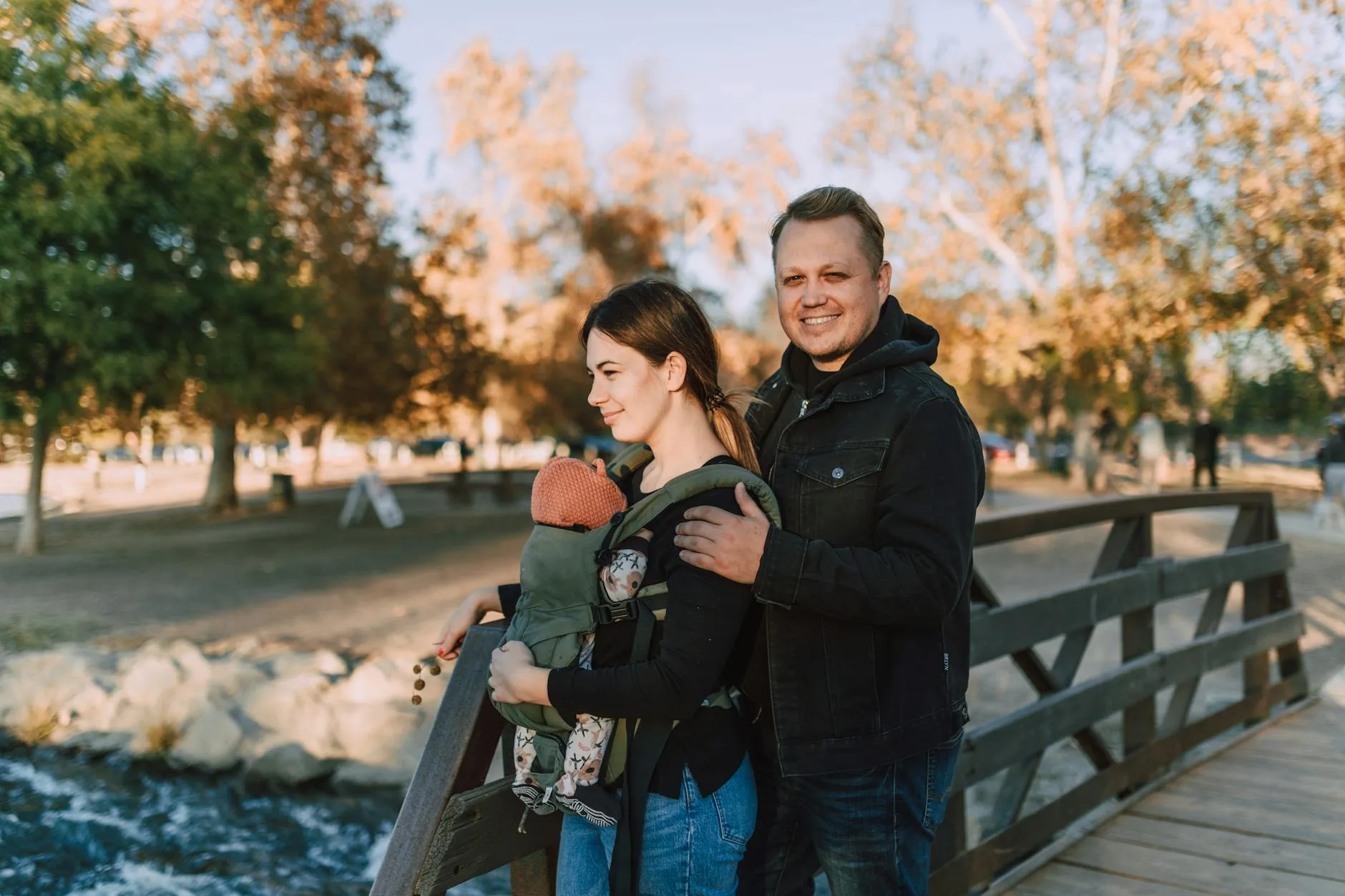
- Deep soft sand — any pushchair will struggle. A structured carrier (Ergobaby, BabyBjörn) keeps your hands free and your child secure.
- Steep, narrow, or rocky paths — hiking trails, cliff paths, stiles. No pushchair is designed for these.
- Crowded cobblestone streets — sometimes a carrier is faster and less stressful than battling a pushchair through tourist crowds on uneven ground.
- Short off-road sections — if it’s a 5-minute walk across a field to reach a café, a carrier in the car is quicker than fighting the pushchair through it.
The Hybrid Approach
Many parents keep a lightweight carrier in the pushchair basket for exactly these situations. Use the pushchair for the main journey and switch to the carrier for the tricky section. It’s not elegant but it works, and after several holidays where we’ve swapped between the two, it’s the most practical solution for mixed-terrain days.
Frequently Asked Questions
Can I use a normal pushchair on sand? Most standard pushchairs with small wheels will struggle badly on soft, dry sand. You can manage on wet, compacted sand near the waterline with locked front wheels. For regular beach use, an all-terrain pushchair with air-filled tyres is a much better option. Alternatively, use a baby carrier for beach trips.
What are the best pushchair wheels for off-road? Large air-filled (pneumatic) tyres in the 25-30cm range provide the best grip, shock absorption, and float on soft surfaces. Foam-filled EVA tyres are a puncture-free compromise that handle light off-road use. Small plastic wheels are unsuitable for anything beyond smooth pavement.
Do I need an all-terrain pushchair? If you regularly walk on gravel paths, muddy trails, beaches, or cobblestones, an all-terrain pushchair will make your life noticeably easier. If you’re mainly on pavements with occasional park visits on firm grass, a mid-range pushchair with medium foam wheels will handle most situations.
How do I stop my pushchair wheels getting stuck in mud? Lock the front wheels forward, push in a straight line, and maintain momentum. If stuck, rock the pushchair forward and backward to break suction. After muddy walks, hose down wheels immediately and lubricate axles with WD-40 to prevent seized bearings.
Is it safe to use a pushchair on cobblestones? Yes, but prolonged cobblestone walking creates constant vibration that can be uncomfortable for babies. Use a padded seat liner for extra cushioning, choose the smoothest route available, and consider a head support insert for babies under six months. Larger air-filled wheels and proper suspension reduce the jarring noticeably.