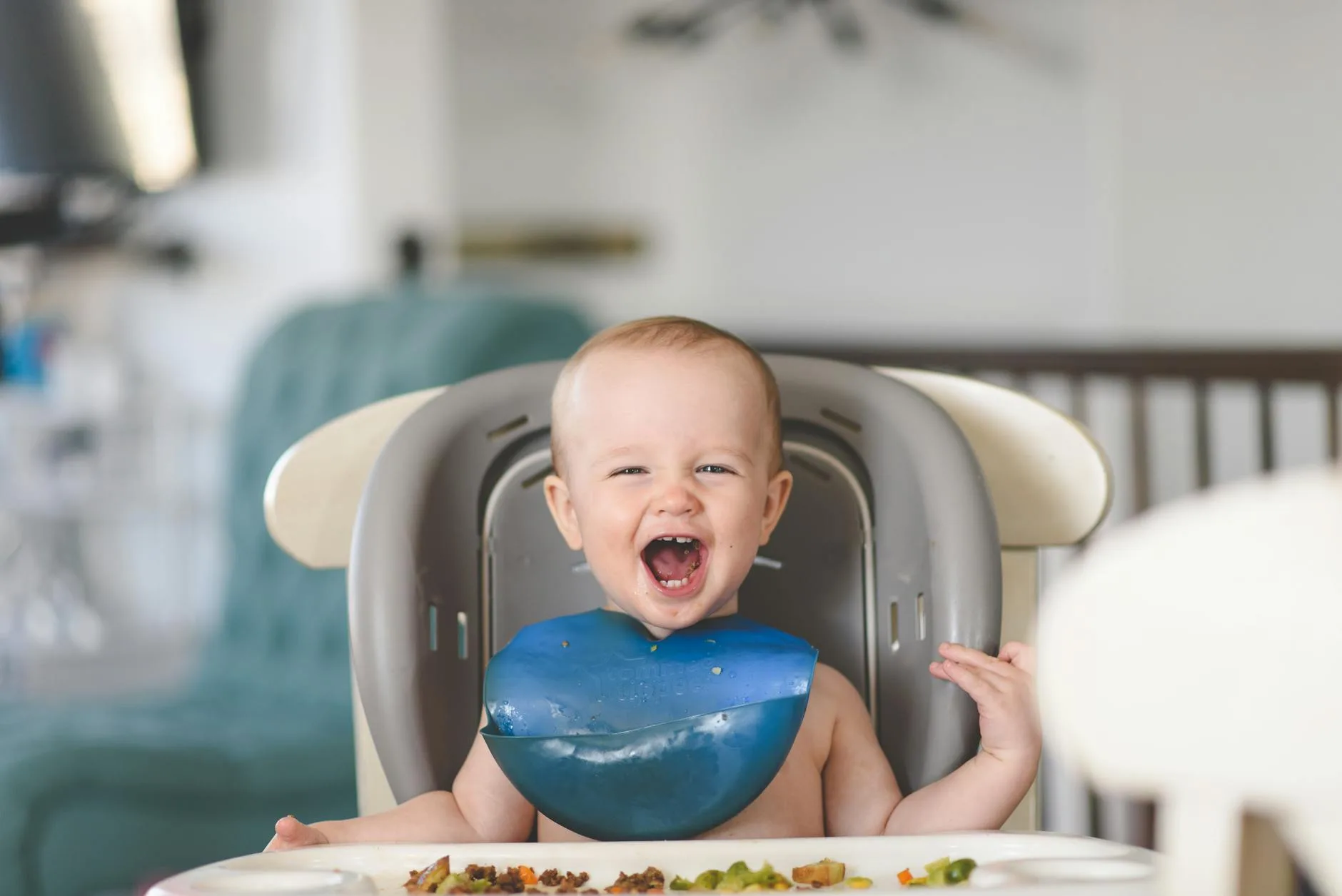
The baby is six months old and ready for solid food. You’ve read the weaning guides, bought the silicone bibs, and puréed a sweet potato into oblivion. Now you need somewhere for the baby to sit while they smear it across their face, the tray, the wall behind them, and somehow the ceiling. Welcome to highchair shopping.
A good highchair is one of those purchases that sounds simple but gets complicated fast. Do you want one that grows with the child? One that folds flat? One that pulls up to the dining table? After testing highchairs with real babies through the messy reality of weaning and toddlerhood, here are the ones worth buying in the UK.
In This Article
- Best Overall Highchair
- What to Look for in a Highchair
- Best Highchairs Compared
- Stokke Tripp Trapp
- IKEA Antilop
- Joie Multiply 6-in-1
- Mamas & Papas Bug 3-in-1
- Cosatto Noodle 0+
- Head to Head: Which Highchair Should You Buy?
- When Can a Baby Use a Highchair
- Highchair Safety Checklist
- How to Clean a Highchair Properly
- Bottom Line
- Frequently Asked Questions
Best Overall Highchair
The Stokke Tripp Trapp is the best highchair for most UK families. It’s expensive — around £200-230 without the baby set — but it lasts from 6 months to adulthood (literally, it holds up to 136kg), the solid beech construction is indestructible, and it pulls up to any dining table height. The design encourages proper posture and social eating from day one. If you can afford one highchair that lasts 10+ years across multiple children, this is it.
If £200+ is too much — and that’s completely fair — there are excellent options from £20 that do the job brilliantly. Keep reading.
What to Look for in a Highchair
Safety
Non-negotiable. Look for:
- 5-point harness — shoulder, waist, and crotch straps. Keeps the baby secure even when they’re wriggling, arching, and doing that thing where they go completely rigid.
- Stable base — wider than the seat. Tip-resistant when the baby leans sideways.
- No pinch points — folding mechanisms and adjustment sliders should lock firmly with no gaps where small fingers can get caught.
- BS EN 14988 compliance — the UK/EU standard for highchairs. Any reputable brand meets this, but check.
Ease of Cleaning
This is the feature parents don’t think about in the shop and obsess about after week one. Babies are astonishingly messy eaters. Purée gets into every crevice, dried banana is harder than concrete, and crumbs find gaps you didn’t know existed.
- Removable, wipeable tray is essential. Machine-washable tray covers are a bonus.
- Smooth surfaces — avoid fabric padding that can’t be removed, and joints with tight crevices where food collects.
- Detachable seat pad — machine washable at 30-40°C.
Grows with the Child
A highchair that adjusts from 6 months through toddlerhood (and beyond for some models) saves you buying multiple seats:
- Seat height adjustment — matches different table heights as the child grows
- Footrest adjustment — proper foot support improves posture and eating
- Removable tray — so the child can eventually sit at the table like everyone else
Size and Storage
UK kitchens are small. If space matters:
- Folding highchairs collapse flat against a wall. Essential in small kitchens.
- Fixed highchairs (like the Tripp Trapp) don’t fold but have a small footprint because they’re chair-shaped, not wide-legged.
- Clip-on seats attach to the table edge — no floor footprint at all. Good for travel but limited weight capacity.
Best Highchairs Compared
- Stokke Tripp Trapp — Best overall, £200-230, grows to adulthood, solid beech wood
- IKEA Antilop — Best budget, £20-25, simple and effective, includes tray
- Joie Multiply 6-in-1 — Best multi-use, £100-130, six configurations from birth to 6 years
- Mamas & Papas Bug 3-in-1 — Best compact, £90-110, floor seat + booster + highchair
- Cosatto Noodle 0+ — Best from birth, £120-150, reclines flat for newborns
Stokke Tripp Trapp
Price: ~£200-230 (baby set + harness sold separately, ~£60-70) Age range: 6 months to adult (136kg) Material: Solid beech wood Where to buy: John Lewis, Stokke website, Amazon UK
The Tripp Trapp has been in production since 1972 and hasn’t changed much because the design works. It’s a wooden chair with two adjustable plates — one for the seat, one for the footrest — that slide up and down to accommodate any size person.
What We Like
- Built to last decades. We know families using Tripp Trapps that are 15+ years old and still in daily use with their third child. The solid beech construction handles everything toddlers throw at it — literally.
- Pulls right up to the dining table. No tray needed (though one is available). The child eats at the same table as everyone else from 6 months, which speech therapists and the NHS weaning guidance recommend for developing social eating skills.
- The footrest makes a real difference. Dangling feet are uncomfortable and affect eating posture. The adjustable footrest means the child always has proper support, which occupational therapists consistently recommend.
- Gorgeous design. Available in over 15 colours. It looks like furniture, not baby equipment. In a kitchen where aesthetics matter, this is the chair that doesn’t clash.
What Could Be Better
- The price is serious money. £200-230 for the chair, plus £60-70 for the baby set and harness needed for under-3s. Total investment of £260-300 to get started.
- No fold. It’s a fixed chair. In a tiny kitchen, it takes up permanent floor space. The footprint is small (about 50×50cm), but it’s always there.
- The baby set is fiddly to install. The rail and back support clip on with Allen bolts. Not difficult, but not a 30-second job either.
- No wheels. Moving it to sweep under it means lifting a solid wooden chair.
Who It’s For
Families who want a buy-it-once highchair that lasts through multiple children. Parents who value eating together at the table. Anyone willing to invest upfront to avoid buying multiple chairs.
IKEA Antilop
Price: ~£20-25 (with tray) Age range: 6 months to ~3 years (~15kg) Material: Polypropylene plastic and steel Where to buy: IKEA stores and ikea.com
The Antilop is the highchair that every parent secretly loves. It costs less than a takeaway pizza, it does the job, and when it’s covered in bolognese sauce you can hose it down in the garden without caring.
What We Like
- £20. That’s it. That’s the argument. Twenty pounds for a fully functional, safe highchair with a tray. Nothing else in the baby market offers this value.
- Cleaning takes 30 seconds. No fabric, no padding, no crevices. Smooth plastic everywhere. Wipe it down, rinse the tray, done. During weaning when everything is covered in food, this speed matters enormously.
- The legs detach. Four legs pull off, the seat stacks. It stores flat-ish, and many families keep one at the grandparents’ house because replacing it costs less than transporting it.
- It works. No features to malfunction, no mechanisms to jam, no batteries to die. Plastic seat, metal legs, plastic tray. Your baby sits in it and eats.
What Could Be Better
- No height adjustment. The seat is at one height. If your table is unusually high or low, the Antilop may not line up well.
- No footrest. Baby’s feet dangle. For short-term use (6 months to 2 years) this is manageable, but it’s not ideal for posture.
- The harness is basic. A waist strap only — no 5-point harness. An aftermarket inflatable cushion (like the Antilop Support Pillow, about £15) adds side support and security.
- It’s ugly. Functional, not beautiful. White plastic and silver legs won’t feature in anyone’s kitchen renovation photos.
Who It’s For
Everyone. Seriously. Even families who buy a premium highchair often have an Antilop as the backup, the travel chair, or the grandparents’ house chair. At £20, there’s no reason not to have one. For a related angle, see our Best Video Baby Monitors 2026: Screen vs App-Based Compared guide.
Joie Multiply 6-in-1
Price: ~£100-130 Age range: Birth to 6 years (~30kg) Configurations: Reclining highchair, upright highchair, booster seat, toddler chair, junior chair, floor chair Where to buy: Argos, John Lewis, Boots, Amazon UK
The Joie Multiply tries to be everything, and it mostly succeeds. Six configurations from a flat recline for newborns to a junior chair for 6-year-olds. The value proposition is hard to argue with.
What We Like
- Genuinely works from birth. The recline position is flat enough for a newborn to sit at the table (supervised) during family meals. Most highchairs start at 6 months — this starts from day one.
- The transitions between modes are logical. Remove the tray and legs for a floor seat. Add the booster base for a table-height chair. The instruction manual is clear and each mode takes 2-3 minutes to set up.
- Good value for the versatility. Six modes across 6 years for £100-130. Even if you only use three of the configurations, the cost-per-year is excellent.
- The seat pad is machine washable. Unzip, throw in the machine at 30°C, reattach. Essential for the weaning phase.
What Could Be Better
- It’s bulky. The large base needed for stability in highchair mode makes it one of the bigger options. In a small kitchen, it dominates.
- The tray is harder to clean than the IKEA. More texture and lip detail where food collects. A bottle brush helps for the edges.
- The booster seat mode needs a sturdy dining chair. It straps to a regular chair, but wobbly or lightweight chairs aren’t suitable. Test before relying on it.
Who It’s For
Parents who want one product from birth to school age. Families with limited storage who’d rather have one multi-mode product than three separate ones. Value-conscious parents who want versatility.
Mamas & Papas Bug 3-in-1
Price: ~£90-110 Age range: 6 months to 3 years Configurations: Floor seat, booster seat, highchair Where to buy: Mamas & Papas stores, John Lewis, Amazon UK
The Bug is the compact option — small footprint, lightweight, and designed for kitchens where space is at a premium.
What We Like
- The smallest footprint of any full highchair. The circular base tucks under tables and against walls better than four-legged designs.
- Lightweight at about 5kg. Easy to move around the kitchen one-handed while holding a baby in the other.
- The floor seat mode is brilliant. Sits on the floor for early weaning practice before the baby is confident in a full highchair. Sturdy, supportive, and low enough that a wobble doesn’t matter.
- Good tray design. One-handed release and large enough for a plate, bowl, and cup without everything falling off the edge.
What Could Be Better
- No footrest in highchair mode. Feet dangle at full height. This is a common complaint from parents and physiotherapists.
- The fabric seat cover stains. Despite being wipeable, pureed carrot and beetroot leave marks. Dark colours hide this better.
- Limited height adjustment. Two positions only — doesn’t fine-tune to every table height.
Who It’s For
Parents with small kitchens. Families who want a floor seat and highchair in one product. Anyone who values compact design over maximum features.
Cosatto Noodle 0+
Price: ~£120-150 Age range: Birth to 3 years (~15kg) Features: 6 height positions, 3 recline positions, compact fold Where to buy: Argos, John Lewis, cosatto.com, Amazon UK
Cosatto brings colour and personality — their designs are bold and distinctive. The Noodle 0+ is their flagship highchair, and it combines good functionality with Cosatto’s trademark fun aesthetic.
What We Like
- Reclines flat for newborns. Like the Joie, it works from birth, but the Cosatto’s recline is smoother and the padding is more comfortable for longer periods.
- 6 height positions — more adjustment range than most competitors. Fits any table in the house.
- Compact fold. Folds flat enough to store behind a door or in a cupboard. The mechanism is one-handed, which matters when you’re holding a baby.
- The designs are joyful. Cosatto’s prints (animals, rainbows, retro patterns) make the kitchen feel fun rather than clinical. Babies respond to the colours too.
What Could Be Better
- The fabric padding is harder to clean. More surfaces, more seams, more places for food to hide. The cover is removable and machine washable, but you’ll be washing it often.
- The fold mechanism feels less robust than the Joie. It works fine, but there’s more flex in the frame when it’s set up. On hard floors, add non-slip pads to the feet.
- Weight limit of 15kg is lower than some competitors. Larger toddlers may outgrow it before age 3.
Who It’s For
Parents who want a from-birth highchair with personality. Families who need a folding design. Anyone who’s tired of grey and white baby products.
Head to Head: Which Highchair Should You Buy?
- Best overall: Stokke Tripp Trapp. Investment piece that lasts a decade. Buy once.
- Best budget: IKEA Antilop. £20 and does the job. No overthinking needed.
- Best versatility: Joie Multiply 6-in-1. Six modes from birth to school age.
- Best for small kitchens: Mamas & Papas Bug. Smallest footprint, lightweight.
- Best from birth: Cosatto Noodle 0+. Full recline, compact fold, fun designs.
When Can a Baby Use a Highchair
Most babies are ready for a highchair at around 6 months — the same time they start weaning onto solid foods. The key readiness signs:
- Can sit upright with minimal support — the baby holds their head steady and doesn’t slump sideways
- Shows interest in food — watching you eat, reaching for your plate, putting things in their mouth
- Good head and neck control — essential for safe swallowing
If you’re starting the weaning journey, our week-by-week weaning guide covers what foods to introduce alongside choosing the right seat.
Some highchairs (Cosatto Noodle 0+, Joie Multiply) recline flat for newborns, allowing younger babies to sit at the table during family meals — supervised, and not for feeding. This is a social benefit rather than a feeding one. Our Room Temperature for Baby Sleep: What’s Safe in Summer and Winter? guide is useful alongside this.
Highchair Safety Checklist
Before every use:
- Check the harness is properly fastened — all straps secure, no slack
- Lock the tray in place — ensure it clicks into both sides
- Check stability — no wobble, legs locked, no objects under the base
- Position away from hazards — not near the cooker, kettle, blinds cords, or table edges the child can push against to tip
- Never leave unattended — a baby in a highchair should always be within arm’s reach
The Lullaby Trust recommends following manufacturer guidelines for age and weight limits and never using a highchair on an elevated surface.
For feeding essentials to pair with your highchair, our best baby bottles guide covers the other side of the feeding setup.

How to Clean a Highchair Properly
Daily
Wipe the tray, seat, and harness with a warm damp cloth after every meal. Remove any food from crevices with a baby bottle brush or old toothbrush.
Weekly
Remove the seat pad (if detachable) and machine wash at 30-40°C. Wipe the frame with antibacterial spray. Check under the tray lip and around harness slots — dried food accumulates in these spots.
Monthly
Deep clean. Detach everything that detaches. Soak the tray in warm soapy water for 10 minutes. Scrub the frame joints with a brush. Check for mould in any rubber seals or fabric folds, especially in humid kitchens.
The Secret Weapon
A handheld steam cleaner (about £25 from Argos) sanitises a highchair in 2 minutes without chemicals. The steam gets into crevices that cloths can’t reach and kills bacteria on contact.
Bottom Line
The Stokke Tripp Trapp is the best highchair you can buy in the UK — it lasts from 6 months to adulthood, encourages proper table eating, and is built to survive multiple children. At £200-230 (plus accessories), it’s an investment, but the cost-per-year across a decade makes it competitive with cheaper chairs that get replaced. We cover a similar decision in Best Cot Mattresses 2026 UK: Foam, Spring & Natural.
If that’s over budget, the IKEA Antilop at £20 is the most practical highchair ever made. It’s ugly, basic, and does exactly what you need. For something in between with more features, the Joie Multiply at £100-130 offers the best versatility from birth to 6 years.
The best highchair is the one that makes mealtimes less stressful, cleans up easily, and keeps your baby safe. Everything else is a bonus.
Frequently Asked Questions
What age can a baby go in a highchair? Most babies are ready at around 6 months, when they can sit upright with minimal support and are starting to wean onto solid foods. Some highchairs with recline positions (Cosatto Noodle 0+, Joie Multiply) can be used from birth for supervised social sitting, though not for feeding.
Is the Stokke Tripp Trapp worth the money? If you plan to use it for multiple years or multiple children, yes. The solid beech construction lasts 10-15+ years, and the adjustable design means the chair grows from 6 months to adulthood. The cost per year of use is often less than cheaper chairs that get replaced.
What is the easiest highchair to clean? The IKEA Antilop. Smooth plastic with no fabric, no crevices, and no padding. Wipe it down or rinse it under a tap. During the messy weaning phase, ease of cleaning matters more than most other features.
Do I need a highchair with a footrest? A footrest improves posture and eating comfort — children eat better when their feet are supported rather than dangling. The Stokke Tripp Trapp and Joie Multiply include adjustable footrests. The IKEA Antilop doesn’t, but aftermarket footrest attachments are available.
Can I use a highchair at a restaurant? Most restaurants have their own highchairs. For travel, a clip-on table seat (like the Inglesina Fast) or a portable booster strap is more practical than transporting a full highchair.