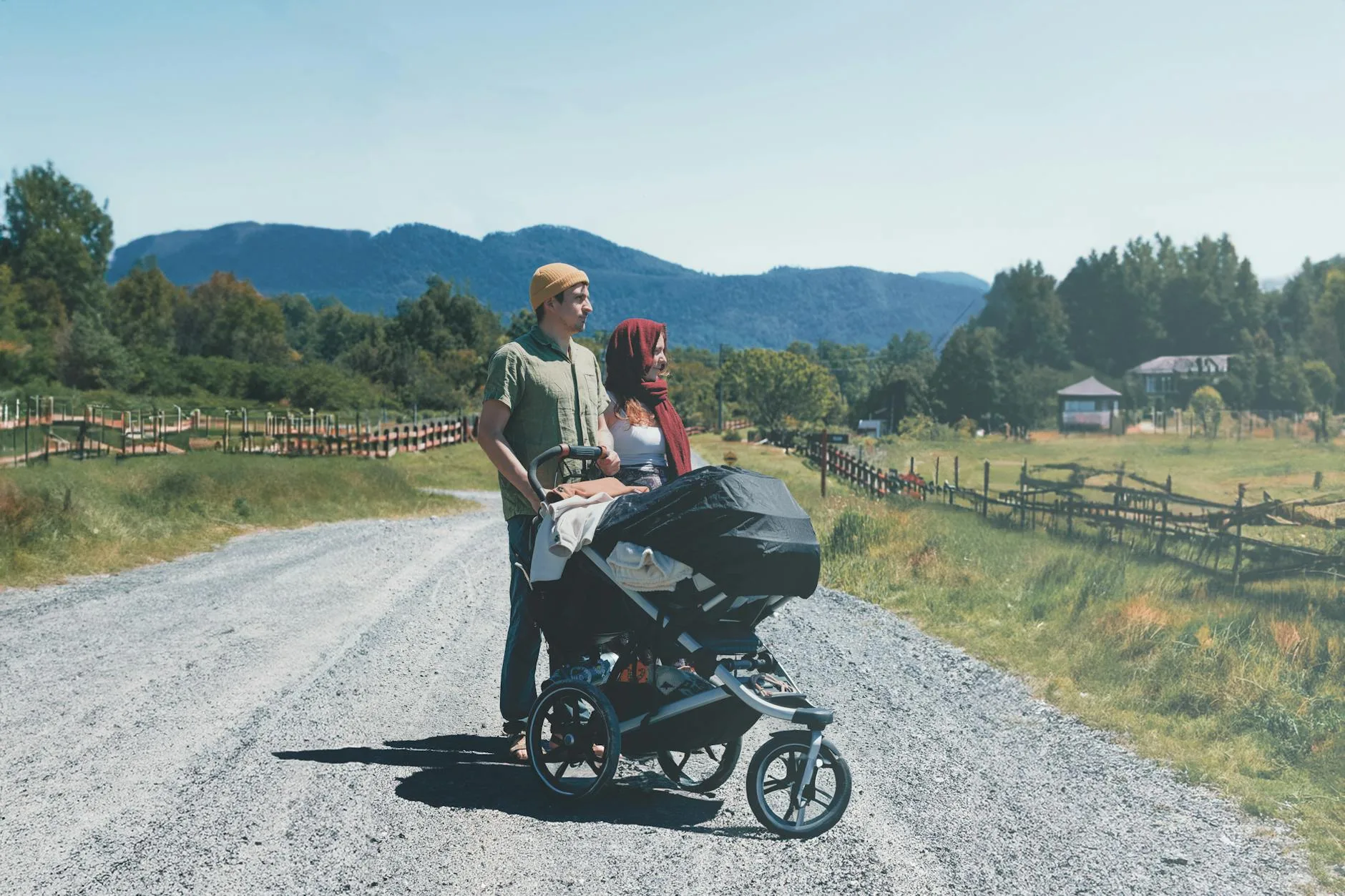
You moved to the countryside for the quiet life, the fresh air, and the gorgeous walks — then discovered that your sleek city pushchair sinks into mud up to the axles, rattles violently on gravel, and refuses to roll on anything that is not smooth tarmac. Your baby looks like they are on a fairground ride every time you hit a tree root. The paths you want to explore need wheels that can actually handle them, and that means an all-terrain pushchair built for the surfaces you actually walk on rather than the polished floors of John Lewis.
In This Article
- What Makes a Pushchair All-Terrain
- Key Features to Prioritise
- Our Top Picks for 2026
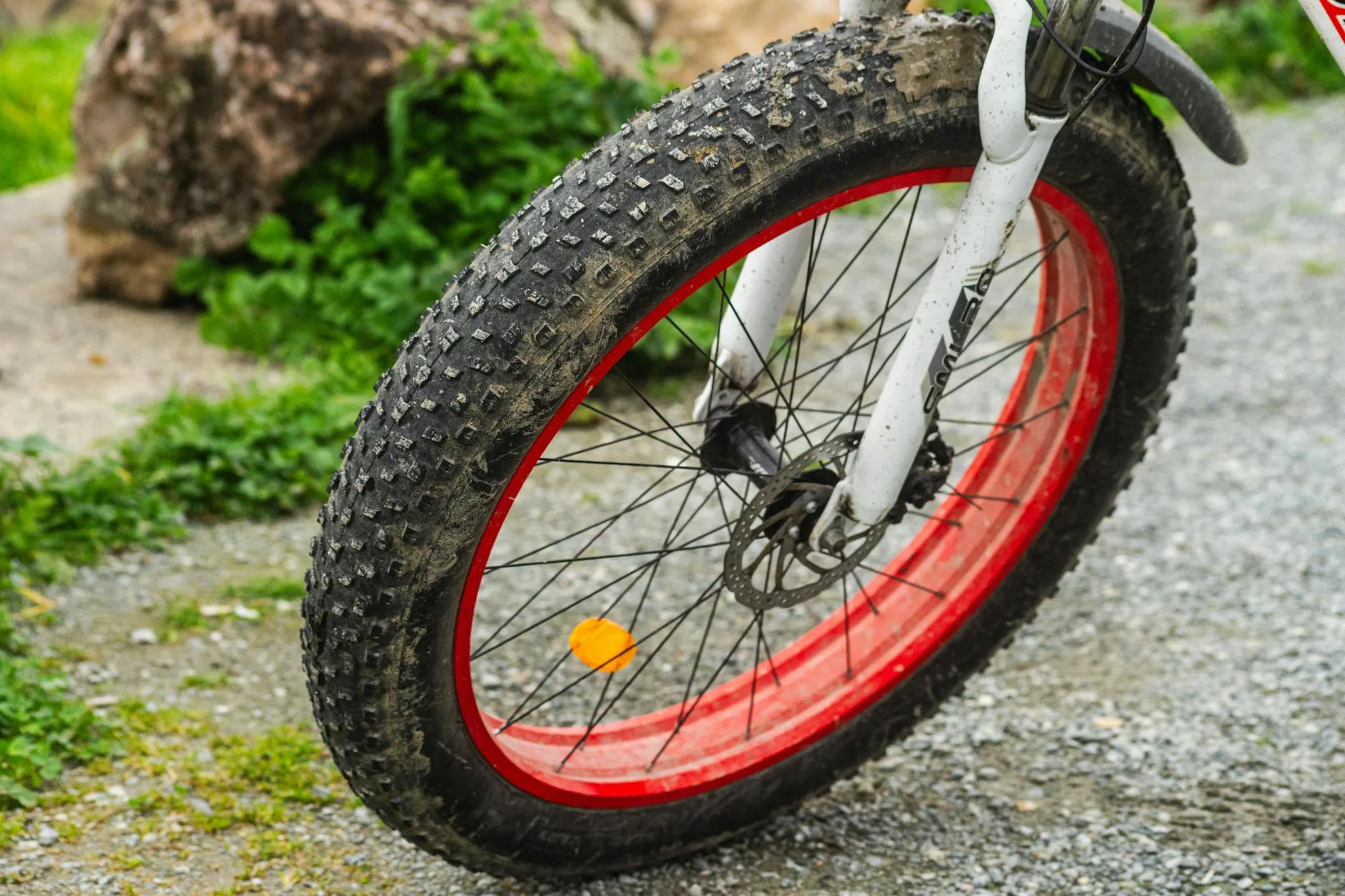
- Wheels: The Most Important Component
- Suspension Systems Explained
- Weight and Fold: The Trade-Off
- Beach Pushchairs: A Special Case
- Common Mistakes When Choosing
- Frequently Asked Questions
What Makes a Pushchair All-Terrain
An all-terrain pushchair differs from a standard urban model in three core areas: wheel size, tyre type, and suspension. Everything else — seat recline, basket size, fold mechanism — is secondary to these three fundamentals that determine whether the pushchair can actually handle rough ground.
The Minimum Specifications
- Wheel diameter: 25cm+ rear wheels (standard city pushchairs use 15-18cm). Larger wheels roll over obstacles rather than catching on them.
- Tyre type: air-filled (pneumatic) or foam-filled rather than hard plastic. Air tyres absorb bumps; plastic transmits every vibration directly to your baby.
- Suspension: some form of shock absorption on at least the rear axle. Without it, even large wheels transmit jolts from roots and rocks.
Who Needs One
Not everyone does. If 90% of your walks are on pavements with the occasional park path, a standard pushchair with reasonable wheels handles fine. You need a proper all-terrain model if you regularly walk on:
- Unpaved footpaths — bridleways, canal towpaths, forest trails
- Beaches — sand requires specific wide-wheel solutions
- Fields and farmland — public footpaths across agricultural land
- Gravel and loose surfaces — National Trust paths, country park trails
- Hilly terrain — steep gradients where braking and control matter
Key Features to Prioritise
One-Hand Steering
On rough ground, you will frequently need one hand free — to hold a dog lead, steady yourself on a slope, push branches aside, or grab your phone for a photo of the view you just earned by hiking up a hill with a baby and 12kg of pushchair. The pushchair must steer reliably with one hand. Three-wheelers typically steer better one-handed than four-wheelers because the single front wheel pivots more responsively.
Adjustable Handlebar Height
If both parents push the pushchair (and one is noticeably taller), adjustable handlebars prevent back pain on long walks. Pushing uphill with handles too low forces you to stoop. A range of 95-110cm covers most adults comfortably.
Generous Basket
Country walks mean layers, waterproofs, changing bags, flasks, and dog paraphernalia. A basket that only fits a small handbag is useless for outdoor families. Look for 5kg+ basket capacity with open access from the rear — not obstructed by the seat recline mechanism.
Rain Cover Compatibility
This is the UK. It will rain on your walk. Ensure a well-fitting rain cover exists for your chosen model — either included or available as an accessory. Ill-fitting aftermarket rain covers flap in wind, collect water pools, and blow off at the worst moments.
Our Top Picks for 2026
Best Overall: Out ‘n’ About Nipper V5 (about £350)
The default recommendation for UK off-road families. Three air-filled wheels (30cm rear, 25cm front), adjustable suspension, one-hand fold, and a 25kg child weight limit. The Nipper has dominated the UK all-terrain market for two decades for good reason — it rolls through mud, gravel, and sand that stops lesser pushchairs dead. Lightweight for its capability (9.5kg) and folds narrowly for car boots.
The fixed front wheel provides excellent straight-line tracking on trails. For urban use, a swivel-lock front wheel is available — though this compromises off-road performance slightly. If your primary use is countryside, keep the fixed wheel.
Best Budget: Hauck Runner 2 (about £180)
Genuine all-terrain capability at half the Nipper’s price. Large air-filled wheels, basic suspension, and a one-hand fold. The trade-offs for the lower price: heavier (11.5kg), less refined ride, simpler fabrics, and a smaller basket. But it handles muddy paths, gravel tracks, and beach boardwalks without complaint. Available at Argos and Amazon.
For families testing whether country walks with a pushchair works for them before investing £350+, the Hauck Runner is the obvious starting point. It handles the same terrain as models twice its price — just with a bit more weight and a bit less refinement in the ride quality and folding mechanism. For a related angle, see our Best Pushchairs 2026: UK Tested from Newborn to Toddler guide.
Best Premium: Thule Urban Glide 3 (about £600)
Swedish engineering for serious running and all-terrain use. Huge 40cm rear wheels, superb suspension, tracking straight as an arrow on any surface. Hand brake for downhill control — essential for steep descents that footbrakes cannot manage. The lightest in its class for the wheel size (10.2kg). Folds with one hand while holding the child in the other.
If budget allows and you plan daily use on rough terrain (or want to jog with it), the Thule justifies the premium. The build quality means it lasts through multiple children without degradation.
Best for Newborns: iCandy Orange 4 (about £950)
Full travel system with carrycot and seat unit, both usable on proper rough ground. The larger wheels and suspension make it more capable off-road than most travel systems, while the premium build quality and urban styling mean it does not look out of place on city streets either. The heaviest option here (13.5kg with seat) but carries from birth without additional adaptors. Check our pushchair guide for more newborn considerations.
Best Three-Wheeler: Mountain Buggy Terrain (about £500)
Purpose-designed for serious off-road with 30cm air-filled wheels, full suspension, disc handbrake, and a frame that handles like a mountain bike. The Terrain goes places other pushchairs cannot — rocky trails, steep descents, deep mud. At 11.5kg it is not light, but the capability justifies the weight for families who live in properly rural areas.
Wheels: The Most Important Component
Air-Filled (Pneumatic)
The gold standard for off-road. Absorb bumps, grip on loose surfaces, and roll smoothly over obstacles. The downside: punctures. Carry a pump (most come with one) and a patch kit for long walks. Puncture frequency varies — some owners never get one; others get several per year depending on terrain.
Foam-Filled (EVA)
Puncture-proof but harder-riding. A compromise between air-filled comfort and solid plastic durability. Many mid-range all-terrain pushchairs use foam-filled fronts with air-filled rears — puncture-proof steering with cushioned ride from the larger rear wheels. Our Best Double Pushchairs 2026 UK: Side-by-Side & Tandem guide is useful alongside this.
Wheel Size Guide
- 25-28cm rear: handles gravel, park paths, and light off-road. Adequate for most UK family walks.
- 30-35cm rear: proper all-terrain capability. Mud, sand, tree roots, uneven fields.
- 40cm+ rear: serious off-road or jogging. Rolls over anything but makes the pushchair wider and heavier.
Suspension Systems Explained
Spring Suspension
Metal springs (usually at the rear) that compress over bumps. Simple, durable, and effective for moderate terrain. Most mid-range all-terrain models use spring suspension. The ride is noticeably smoother than no suspension but still transmits larger impacts.
Adjustable Suspension
Springs with adjustable tension — tighten for heavier loads or rough ground, loosen for lighter babies on smoother paths. The Out ‘n’ About Nipper offers this, allowing you to tune the ride as your child grows heavier.
Full Suspension (Front and Rear)
Both axles have independent suspension travel. Premium models only (Thule, Mountain Buggy). The smoothest ride across all surfaces — your baby barely notices terrain changes. Worth the premium for daily rough-ground use or for babies who wake at every bump.
Weight and Fold: The Trade-Off
All-terrain capability adds weight. Larger wheels, stronger frames, suspension components — all contribute mass. A typical all-terrain pushchair weighs 9-13kg versus 6-8kg for a city model. This matters for car boot loading, public transport, and carrying up stairs.
Acceptable Weight Ranges
- Under 10kg: impressively light for all-terrain. Only achievable with compromises on wheel size or frame rigidity.
- 10-12kg: standard for the category. Manageable for most parents.
- Over 12kg: heavy. Fine if it lives in the car boot permanently; problematic if you carry it regularly.
Fold Considerations
Three-wheelers fold long and narrow — fitting car boots lengthways but poking out. Four-wheelers fold more compactly but rarely achieve the same off-road performance. The Nipper’s fold (85 × 57 × 32cm) fits most hatchback boots with space for bags alongside.
Beach Pushchairs: A Special Case
Sand defeats normal wheels regardless of size. The pushchair sinks, drags, and refuses to roll. Beach use requires either:
- Very wide wheels — balloon-style tyres (10cm+ width) that float on sand rather than cutting into it
- Purpose-designed beach buggies — like the JoJo Maman Bébé Beach Buggy or dedicated sand-wheel adaptors
- Acceptance — carry the child, leave the pushchair in the car park
For occasional beach visits, a baby carrier/sling on your body is more practical than any wheeled solution. For daily beach access (coastal families), the investment in a proper sand-wheel pushchair makes life easier. Learn more about handling different surfaces in our guide on pushing a pushchair on sand and gravel.
The NCT (National Childbirth Trust) offers local walks groups in many areas where you can see other parents’ pushchair choices on real terrain before buying.
Common Mistakes When Choosing
Buying on Looks
All-terrain pushchairs prioritise function over form. The prettiest pushchair in the shop is rarely the one that handles a muddy bridleway. Try before you buy on the actual surfaces you walk — not just the showroom floor.
Ignoring the Front Wheel
A swivelling front wheel is wonderful for urban manoeuvrability but terrible on rough ground — it catches on stones, ruts, and roots constantly. For genuine off-road, a lockable or fixed front wheel tracks straight and rides over obstacles. Accept slightly worse pavement steering for vastly better trail performance.
Choosing Four Wheels for Off-Road
Four-wheelers split the weight across more contact points, which sounds good but means each wheel sinks deeper into soft ground. Three-wheelers concentrate weight onto fewer, larger wheels that roll over surfaces rather than into them. For serious off-road, three wheels almost always outperform four.
Skipping the Test Drive
Push the pushchair on carpet in the shop and it tells you nothing. Ask to take it outside — onto gravel, grass, a kerb. Load it with a bag of shopping to simulate child weight. If the shop will not let you test outside, buy from somewhere that will (or use a generous return policy).
Frequently Asked Questions
Can I use an all-terrain pushchair on public transport? Most fold small enough for bus luggage areas, but they are wider and heavier than city pushchairs when open. On trains, the larger wheels actually help boarding (rolling over platform gaps). On London buses, the 75cm maximum width rule may be tight for some three-wheelers — check folded and open dimensions before relying on this.
Are air-filled tyres hard to maintain? Check pressure monthly (a quick squeeze tells you), pump them up every few weeks with the included hand pump, and carry a patch kit on longer walks. In practice, most owners pump tyres monthly and get punctures rarely. It is less maintenance than people expect — comparable to checking a bicycle tyre.
At what age can a baby use an all-terrain pushchair? With a lie-flat seat or carrycot attachment, from birth. Without lie-flat capability, wait until the baby can hold their head independently (typically 4-6 months). Rougher terrain creates more vibration, so keep walks shorter and surfaces gentler for newborns even in appropriate pushchairs.
Is a jogging pushchair the same as all-terrain? There is overlap but they are not identical. Jogging pushchairs prioritise straight-line stability at speed (fixed front wheel, wrist strap, hand brake). All-terrain pushchairs prioritise handling across varied surfaces at walking pace. Some models (Thule Urban Glide, BOB Revolution) do both; others specialise in one or the other.
How long will an all-terrain pushchair last? Quality models (Nipper, Thule, Mountain Buggy) last through two or three children if maintained — air tyres replaced occasionally, fabrics washed, bearings greased. Budget models (Hauck) last one child comfortably but show wear by the second. Resale value for premium all-terrain pushchairs is strong — they retain 40-60% of purchase price on eBay and Facebook Marketplace.