Choosing between a rear-facing and forward-facing pushchair sounds minor until you are actually using it every day. The debate often centres on comfort, communication, safety, and developmental readiness. There is no single switch date that suits every child. The better approach is to watch your baby’s head control, mood, sleep, curiosity and the kind of journeys you actually take.
If you are comparing pushchair setups, our first-time parent pushchair checklist covers the buying basics, and the guide to pushchair weight limits explains when a model starts to become impractical.
In This Article
- Expert Views on Orientation
- Age and Developmental Factors
- Communication, Bonding and Social Benefits
- Safety and Practical Considerations
- Transitioning Between Orientations
- What Parents Tend to Notice
- Practical Comparison in Everyday Use
- Choosing and Maintaining a Convertible Pushchair
- Frequently Asked Questions
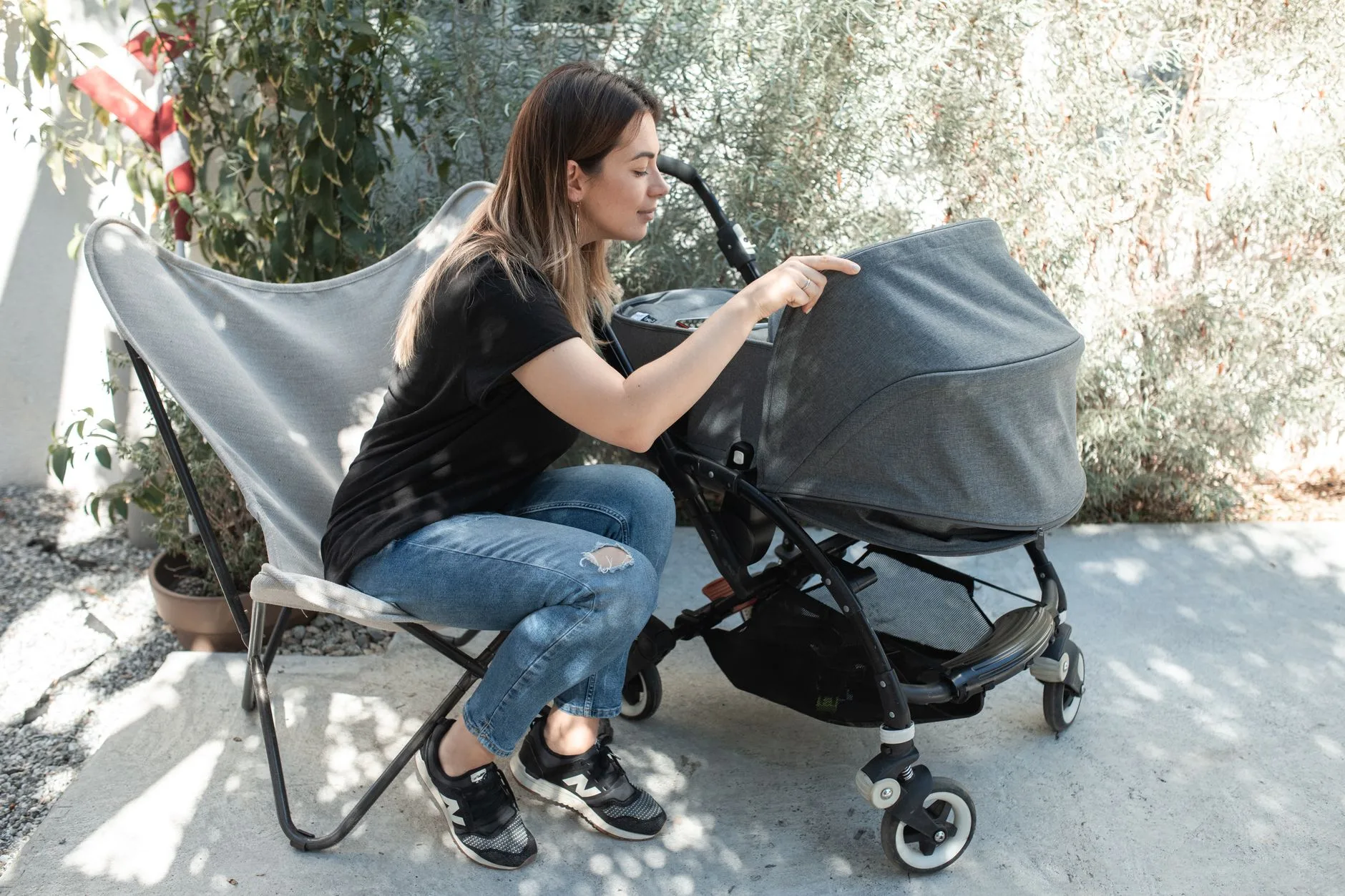
Expert Views on Orientation
Many early childhood specialists in the UK suggest that a rear-facing design suits younger infants best, particularly under 12 months. This orientation allows frequent eye contact, emotional reassurance, and easier communication. Parent-facing seats can make it easier to notice smiles, tiredness, fussing and attempts to communicate.
Early years professionals frequently caution that no single direction serves every stage of development. After roughly a year, a forward-facing orientation may encourage exploration and visual stimulation, matching a toddler’s growing curiosity. Adjustable seats, favoured by most UK manufacturers like Silver Cross, Bugaboo, and Joie, are valued by occupational therapists for supporting flexibility.
Expert insights on modern product design
Professionals in infant ergonomics often highlight reversible pushchair seats as the most adaptable solution. British health visitors note that being able to switch direction matters more than sticking rigidly to one position. Interaction remains essential whichever direction is chosen, as consistent verbal engagement supports bonding and communication development.
The route matters too. In busy urban centres with high noise and visual complexity, rear-facing setups may help shield young babies from sensory overload. In quieter suburban or rural settings, facing outward might stimulate curiosity about surroundings, from trees and animals to vehicles and passer-by interactions. In practice, the choice tends to vary depending on both age and environment rather than an exact milestone.
Age and Developmental Factors
Specialists generally link pushchair orientation to key developmental markers rather than a fixed age. Babies under six months usually require close visual contact and support because head control and upper-body stability are still forming. Rear-facing options encourage security and conversation, providing comfort through recognition and reassurance.
As babies grow stronger, able to sit unaided and focus on distant objects, short forward-facing excursions can offer enrichment. This phase often emerges around 12 to 18 months, though experts warn parents to proceed gradually and observe each child’s temperament. Some infants thrive on extra stimulation, while others prefer the familiarity of facing the caregiver a little longer.
Developmental checkpoints
- Head and neck control: Typically stabilised between five and six months.
- Visual curiosity: Frequent tracking of people, cars, or distant objects.
- Tolerance for novelty: Calm reactions to new environments or strangers.
- Language engagement: Responding to voices or pointing toward stimuli.
If any of these seem uncertain, experts often advise retaining rear-facing positioning until comfort and control are clear. Babies’ tolerance for stimulation can differ widely, and short adjustment periods generally ease transitions.
UK-specific considerations
British climate and infrastructure frequently affect orientation preferences. In windy or coastal areas, parent-facing pushchairs provide better barrier protection against gusts and rain. Conversely, warmer southern conditions may encourage forward-facing use with breathable mesh panels. Families reliant on buses or trains may prefer compact reversible designs to navigate crowded aisles safely.
Parents in dense cities might find outward-facing seats better for tight pavements or public interaction, while suburban families often appreciate maintaining eye contact for longer. Experts repeatedly underscore adaptability—parents responding to each trip’s context rather than enforcing strict rules.
Communication, Bonding and Social Benefits
Rear-facing pushchairs create easier opportunities for mutual facial communication, considered a foundation of early bonding. Infants learn speech from observing facial patterns and intonation; being able to see a caregiver’s mouth promotes mimicry of sound rhythm. For these reasons, paediatric communication specialists often highlight rear-facing arrangements during the first year.
A forward-facing orientation, however, provides different developmental benefits. It presents a wider world view, stimulating observation and prompting children to label what they see. Early years professionals identify this shift as natural progression towards independence.
Observed benefits of communication-friendly setups
- Facilitates natural interaction through expressions and gestures.
- Helps identify emotional cues promptly.
- Encourages dialogue even outside home settings.
- Reduces stress when infants can see familiar reassurance.
Nevertheless, specialists urge caregivers to continue talking during walks, even when the child faces forward. The sound of the parent’s voice alone maintains connection, supports auditory language processing, and reassures against overstimulation.
Speech and play engagement
Simple games help in both settings: pointing, naming objects, counting steps, singing the same short song on the walk home. Rhymes or repetitive songs correspond with predictable patterns that reassure babies. Families can carry small picture cards or use pushchair accessories to facilitate conversation and sensory engagement.
Using both orientations can give children a useful mix of reassurance and curiosity. The main point is not eye contact every second. It is staying responsive: talking, noticing cues and changing the setup when the child is tired or overwhelmed.

Safety and Practical Considerations
Orientation is only one part of pushchair safety. The RoSPA pushchair and buggy safety advice is a useful cross-check for brakes, harnesses, folding mechanisms, stability and avoiding overloaded handles, all of which matter more day-to-day than whether the seat faces you or the street.
Safety standards should underpin every pushchair purchase. In the UK, conforming to BS EN 1888 certification verifies frame stability, braking systems, and harness integrity. Parents are encouraged to confirm approval labels when buying new or second-hand. Mechanical maintenance—checking wheel locks, fold catches, and harness press-points—helps ensure continued reliability.
Environmental protection and comfort
Rear-facing models often safeguard against headwinds or roadside debris, especially in busy traffic areas. Forward-facing models can appear more convenient during longer excursions when the child stays alert and upright. However, posture and correct harness usage hold greater safety influence than orientation itself. A snug five-point strap and properly reclined seating keep a baby well supported.
The Lullaby Trust safer sleep advice offers further guidance on maintaining safe sleeping postures during pram naps—highlighting the importance of continuous supervision and adequate ventilation.
Buying factors to evaluate
- Reversibility: Be sure seat units easily switch between positions.
- Weather resistance: Choose canopies or covers suited to local climate.
- Accessory compatibility: Verify that reversible seats accept attachable bags or rain shields.
- Terrain handling: Suspension quality matters for stability and comfort.
Consumers comparing versatile designs may reference Best Pushchairs 2026: UK Tested from Newborn to Toddler for examples that pair reversible seating with practical everyday features.
Terrain awareness
Families using countryside paths or gravel tracks may benefit from air-filled wheels and reinforced frames. Models such as Baby Jogger City Mini GT2 or Out n About Nipper are frequently mentioned in consumer reports for durability. Experts generally recommend starting journeys in rear-facing mode if bumps are frequent, then rotating forward once the path smooths.
Transitioning Between Orientations
Personalising when and how to switch between rear- and forward-facing orientation helps minimise stress. Many early years advisors recommend gradual adjustment—short familiar routes before long excursions. Sudden full switches can unsettle babies unaccustomed to the broader environment.
Gradual transition approach
- Begin short outings in a quiet area with familiar stimuli.
- Observe the baby’s mood: excitement and relaxed posture are positive cues.
- Alternate facing directions across days rather than hours.
- Ensure the harness remains correctly tensioned following any adjustment.
During temporary regression, such as clinginess or fussing, experts often suggest returning briefly to the rear-facing setting. That can help the child settle again. If signs of fatigue or sensory overload appear—head turning away, rubbing eyes, or restlessness—shorten the trip or provide soothing talk to ease transition.
Choosing reversible designs
Pushchairs allowing swift seat reversal help families accommodate momentary mood changes and daily variation. Specialist retailers usually label these models as “parent/world-facing.” Options featured in Best Double Pushchairs 2026 UK: Side-by-Side & Tandem show how some twin systems still allow flexible viewing directions.
Babies often handle changes better when the rest of the routine feels predictable. Therefore, consistency in daily routines and tone of interaction matters just as much as physical orientation. Treating the shift as a gradual developmental step rather than a decisive milestone often results in smoother adaptation.
What Parents Tend to Notice
UK parents use both orientations in very different ways. Many families find rear-facing setups ideal during a baby’s first year, yet appreciate forward-facing flexibility for toddlers intent on exploring. Day-to-day context—weather, travel mode, and environment—usually outweighs theoretical preference.
Parents consistently prioritise practicality: folding speed, portability, and canopy coverage rate high across discussions. Adjustable handles and multi-position seating are valued features for sharing walks between parents and grandparents. Families frequently report shifting between directions weekly based on outings or the child’s alertness.
Summary themes from shared experience
- Flexibility and reversibility top the purchasing criteria.
- Orientation choice often adapts to activity type rather than precise age.
- Both facing modes can coexist within routines for communication and discovery.
Children’s responses can fluctuate. Some appear excited by forward-facing independence, later requesting the comfort of rear-facing inclusion on particularly stimulating days. That is normal: toddlers often want independence one minute and reassurance the next.
Lifestyle patterns also affect decisions. City families, negotiating narrow pavements, may face forward slightly earlier for visual awareness and practicality. Rural-oriented households, enjoying calmer paths, often continue rear-facing longer. The useful theme is responsiveness rather than rules.
Broader lifestyle influences
The UK’s varied climate, terrain, and transport infrastructure mean each household benefits from contextual experimentation. Families frequently cross-compare across guides like Best All-Terrain Pushchairs 2026: Countryside & Beach Tested when choosing a model capable of handling both surfaces and face-direction changes. Reliable suspension and ease of seat rotation consistently rank above brand allegiance.
Practical Comparison in Everyday Use
Navigating different environments
Parents in the UK discover that pushchair orientation feels different on everyday routes—narrow pavements, uneven paths, or crowded buses. A rear-facing setup allows clear visibility of the baby’s expression while navigating kerbs or sudden stops on public transport. This orientation can reassure both parent and infant if a bus or train jolts unexpectedly. Forward-facing designs, by contrast, give toddlers a more open view when exploring parks, high streets, or play areas. To make transitions effortless, reversible seat units are particularly valuable; these allow switching direction quickly when weather, mood, or surroundings demand. British retailers often demonstrate how the seat clicks out and turns, so testing that function during an in-store try-out is advisable.
When manoeuvring on buses or through doors, compact pushchairs with centrally placed handles and a firm braking mechanism provide extra control. Harness fit checks become even more important in these situations—loose straps can allow a child to lean forward or slide when facing either direction. UK safety guidance emphasises that the harness should be snug enough that only two fingers fit between strap and shoulder. Adjusting this each season matters because winter coats or footmuffs can alter the fit.
Adapting to UK weather conditions
Weather strongly influences pushchair orientation. In windy or drizzly conditions, a rear-facing configuration creates greater shelter, as the seat back and canopy block drafts. Many British parents use rain covers and wind guards compatible with both orientations, but performance differs depending on how air flows. When the child faces forward, breathable panels or mesh ventilation prevent condensation, while parent-facing setups usually trap heat more quickly and need periodic checks to avoid overheating. Lightweight blankets tucked rather than draped reduce the chance of interfering with harness placement. Shops that specialise in nursery products often have display models showing correct canopy extension and rain shield clips—visiting one before purchase can clarify the differences between models, helping to ensure all-weather suitability.
Keeping the pushchair clean also influences comfort in rapidly changing conditions. Mud and salt from winter pavements can clog folding mechanisms, so a removable fabric cover simplifies maintenance. Rear-facing modes sometimes expose the seat base to fewer road splashes, which can extend fabric life when regularly used in wet climates.
Choosing and Maintaining a Convertible Pushchair
Reversible features and flexibility
A convertible or reversible-seat pushchair helps parents avoid committing to one orientation too soon. Many leading UK brands design units that rotate without removing the whole seat frame; this allows a sleeping baby to remain undisturbed while changing direction. The main locking points should feel sturdy, with audible clicks indicating full engagement. Testing this in-store provides reassurance and reveals how compactly the frame folds. Shoppers are advised to check that the pushchair fits boot space while in both orientations, as turning mechanisms can change folded length.
In addition, adjustable handlebars and multi-position recline angles can prevent strain when shifting directions. A seat that reclines nearly flat supports newborns best in rear-facing mode, while more upright angles suit forward-facing explorers later on. Some models permit partial recline even when forward-facing, which benefits toddlers who still nap outdoors.
Assessing harness safety and comfort
Checking harness fit remains among the most important safety habits. For infants up to a year old, the harness should sit below shoulder height in a rear-facing seat to prevent downward slippage. As a child grows and the orientation flips, raising the strap slots to shoulder level maintains even restraint. Retail advisers in large stores often demonstrate these adjustments during purchase consultations, using showroom pushchairs and weighted dolls to confirm proper tension. After buying, periodically inspect the buckle release and webbing for fraying, particularly if the pushchair is frequently folded.
Parents also find it helpful to recheck strap tightness every few months or after washing covers, as materials can stretch slightly. If a pushchair crosses multiple seasons, remember that thicker clothing affects strap placement; some families prefer thin layers plus a fitted footmuff rather than padded coats, ensuring the harness stays secure without excessive looseness.
Trying before buying in UK shops
UK stores typically showcase floor models allowing both orientations to be tested on small ramps or turning circles. Taking time to simulate everyday actions—folding, carrying, steering one-handed, or boarding a mock bus platform—can highlight practical limits. Many retailers also display how the rain cover attaches in each direction. Parents are encouraged to compare these demonstrations with online guides to confirm authenticity and warranty coverage.
Shops with trained staff can clarify service intervals or maintenance packages, particularly helpful if wheels or joints loosen after extended rear-to-forward conversions. In addition, exploring showroom lighting gives a sense of canopy shade; bright display conditions emphasise whether the seat depth offers adequate protection for sunny summer strolls.
Balancing comfort, interaction, and curiosity
Ultimately, whether a baby faces the parent or the world, the goal is consistent comfort and responsive connection. Frequent conversation, naming sights, or responding to cues sustains communication benefits even after switching orientation. Observing the child’s relaxation cues—shoulders soft, eyes attentive, no excessive leaning—serves as a daily indicator of correct positioning. Regular harness checks, thoughtful adaptation to weather, and confident handling on public transport help make the pushchair not just safe but easy to live with across the varied climates and streets of the UK.
Frequently Asked Questions
What age should a baby move from rear-facing to forward-facing? Most experts recommend waiting until around 12–18 months, or when head control and social independence develop. Watch for clear signs your child enjoys outward exploration without distress.
Are rear-facing pushchairs safer? They often give better wind protection and make it easier to monitor your baby, but both orientations are safe if compliant with British standards and checked regularly for faults.
Do forward-facing pushchairs reduce bonding? Not necessarily. While less direct eye contact occurs, conversation and narration maintain strong bonds. Talking or singing engages babies even when they face outward.
Can I switch direction frequently? Yes. Yes. Many families swap orientations to maintain flexibility and balance stimulation with comfort.
Which position is preferable for naps? Rear-facing can be calmer for resting because your voice is close and easy to hear. Always ensure reliable reclining and correct strap tension for a safe nap environment.