You’ve finally upgraded to a new pram, and the old pushchair is taking up precious hallway space. Perhaps you’re keen to recoup some cash, or you’d rather help another family by donating it. But with so many stories about unsafe second-hand baby gear, how do you sell or donate a used pushchair safely—protecting both your reputation and the next child who’ll ride in it?
In This Article
- What to Check Before Listing
- Cleaning and Preparing the Pushchair
- Recall and Safety Checks
- Writing an Honest Listing
- Donation Options
- Handing It Over Safely
- Frequently Asked Questions
What to Check Before Listing
Before you even think about snapping photos or writing a listing, give your pushchair a thorough check. Safety and honesty are crucial if you want to sell or donate a used pushchair safely.
Inspecting the Pushchair: A Step-by-Step Guide
Frame and Joints
Start with the frame. Check for cracks, bends, or signs of metal fatigue, especially at folding joints and stress points. Rust is a red flag, particularly around rivets and hinges. If you spot wobbling or loose connections, tightening bolts may help, but avoid makeshift repairs like tape or glue—these won’t pass safety muster and can put children at risk.
Brakes
Test both rear and front brakes. Engage and release them several times. They should lock the wheels firmly and release smoothly. If the brakes stick or fail to hold, replacement parts may be available from the manufacturer or specialist retailers, but if they’re beyond repair, the pushchair shouldn’t be sold or donated.
Harness and Straps
Examine the harness system. Look for fraying, missing buckles, or weakened Velcro. All straps should be intact, secure, and adjustable. The five-point harness is standard for most modern pushchairs, and missing or damaged harnesses are a deal-breaker for resale or donation.
Wheels
Spin each wheel individually. Listen for grinding, clicking, or wobbling. Check that wheels are securely attached and that quick-release mechanisms (if present) work as intended. If the wheels are worn down or cracked, replacements are often available for popular brands.
Folding Mechanism
Open and close the pushchair several times. The mechanism should operate smoothly, locking firmly in place when open and not collapsing unexpectedly. If you notice any sticking, excessive force required, or incomplete locking, investigate further—sometimes a squirt of silicone spray helps, but broken mechanisms are a safety risk.
Fabric
Inspect all fabric parts for holes, tears, or excessive fading. Stains can often be cleaned, but mould or mildew is a health hazard and difficult to remove completely. If the seat padding is lumpy or the fabric is sagging, consider replacing these parts before listing.
Additional Checks
- Basket and storage: Ensure baskets are securely attached and free from rips.
- Handlebar grips: Check for wear, stickiness, or loose foam/rubber.
- Sun canopy: Test that it extends and retracts smoothly and stays in position.
If you spot any safety issues, consider whether they can be repaired affordably. For example, a new set of wheels might cost £15–£30, while a broken frame is usually not worth fixing. Selling or donating a pushchair with a known safety fault is not only unethical but could also be illegal under UK consumer law.
For more on weight and suitability, check out Pushchair Weight Limits.
Cleaning and Preparing the Pushchair
A sparkling clean pushchair fetches a higher price and reassures buyers or recipients. Hygiene is especially important for baby gear, as parents will expect a product that’s safe for their child.
Quick Cleaning Checklist
- Remove all loose dirt: Use a handheld vacuum or a soft brush to clear out crumbs, sand, and debris from the seat, basket, and crevices.
- Wash fabrics: Detach seat liners, covers, and padding if possible. Most can go in the washing machine at 30°C—always check the care label first. For hand-wash only items, use a mild, baby-safe detergent.
- Wipe hard surfaces: Clean handles, frame, tray, and footrest with a damp cloth and a mild detergent. Avoid harsh chemicals that could damage finishes or leave residues.
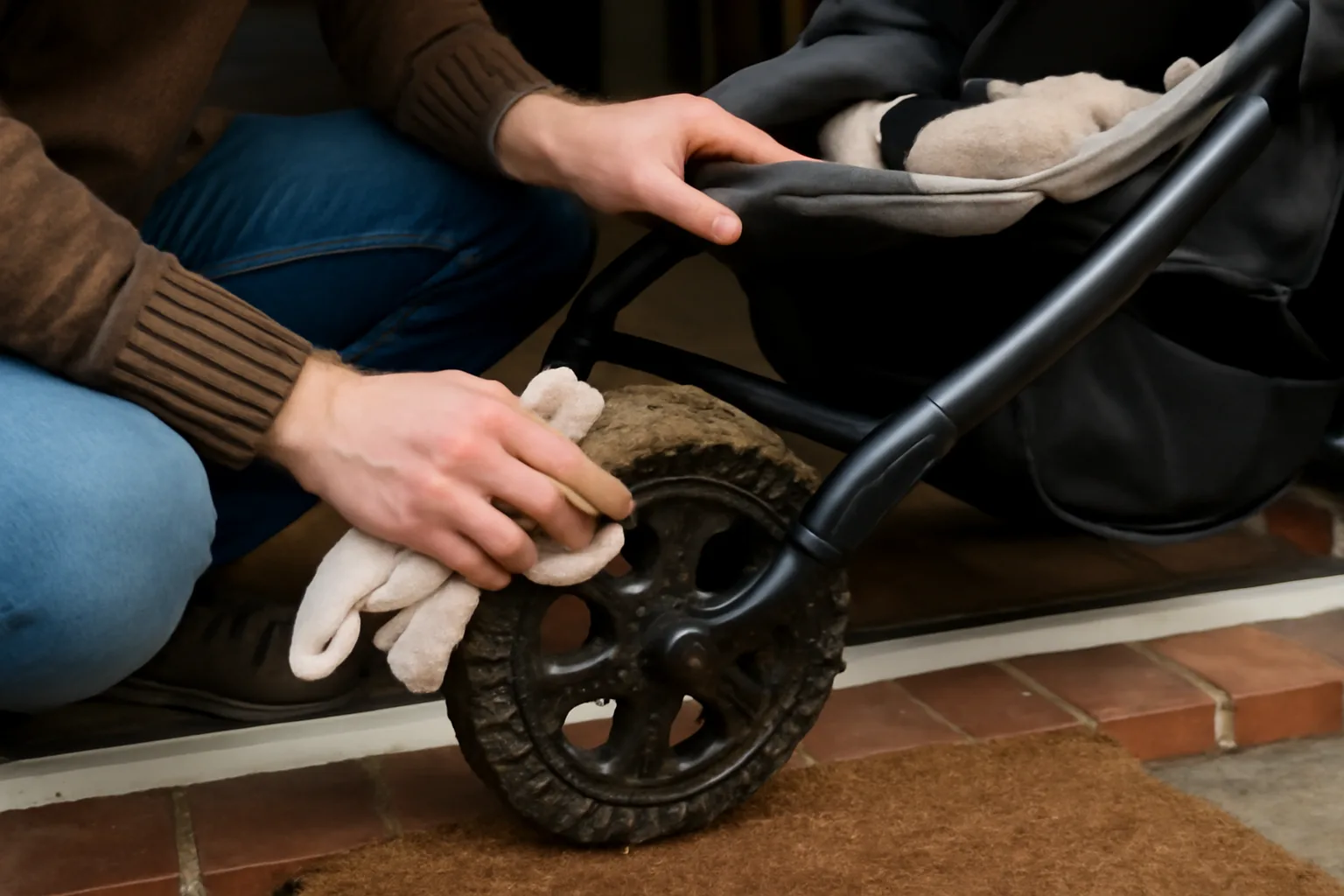
- Clean wheels: Remove wheels if possible and wash off mud, grit, and hair. A toothbrush can help clean around axles and spokes, especially if you’ve tackled sand, gravel, or muddy paths.
- Disinfect touchpoints: Handles, buckles, and buttons benefit from an antibacterial wipe or a solution of water and white vinegar.
For a step-by-step guide, see How to Clean and Maintain Your Pushchair.
Don’t Forget the Accessories
Add-ons like rain covers, organisers, cup holders, or footmuffs can add value and appeal. Clean these thoroughly—rain covers often need a wipe-down inside and out, and fabric accessories can usually be machine washed. If you have the original instruction manual or spare parts (such as adaptors or spare wheels), include them.
For inspiration, browse Pushchair Accessories Worth Buying.
Trade-Offs
While a deep clean takes time, it can add £10–£30 to your asking price. If you’re donating, a clean pushchair is more likely to be accepted by charities, as most have strict hygiene standards.
Dealing with Stubborn Stains and Odours
- Mould or mildew: If you spot black spots or detect a musty smell, scrub with a solution of white vinegar and water, then rinse thoroughly and dry in direct sunlight.
- Pet hair: Use a lint roller or sticky tape to remove hair from fabric and padding.
- Lingering odours: Sprinkle bicarbonate of soda on dry fabric, leave overnight, then vacuum off.
Safety Caveats
Never use bleach or strong chemicals, as residues can irritate a baby’s skin or damage the fabric. Always allow the pushchair to dry completely before reassembly to prevent mould growth.
Recall and Safety Checks
Before you sell or donate a used pushchair safely, check it hasn’t been subject to a product recall. Selling recalled nursery equipment is illegal and unsafe in the UK.
How to Check for Recalls
- Find the model number: Usually on a sticker or plate under the seat, on the frame, or inside the basket. You may need a torch to read faded labels.
- Visit the UK product safety recalls database: UK product safety recalls
- Search by brand and model: Look for any recall notices or safety alerts related to your pushchair.
If your pushchair is listed, follow the manufacturer’s advice—often a free repair, replacement part, or refund. Never sell or donate a recalled pushchair, even if you believe the issue has been fixed.
For more on buying and selling second-hand nursery kit, see RoSPA’s advice on second-hand nursery equipment.
Additional Safety Tips
- Check for missing or non-original parts: Replacement harnesses or wheels should be manufacturer-approved, not generic spares.
- British safety standards: Look for a BS EN 1888 mark on the frame or in the manual. This confirms the pushchair meets UK and EU safety requirements for stability, locking mechanisms, and restraint systems.
- No DIY repairs: Avoid selling or donating pushchairs with home-made repairs to structural or safety-critical parts.
Legal Considerations
Under the General Product Safety Regulations 2005, it’s illegal to sell or give away unsafe products in the UK. If you knowingly sell a pushchair that’s been recalled or is unsafe, you could be liable for any resulting harm.
Writing an Honest Listing
Whether you’re listing on Facebook Marketplace, eBay, Gumtree, or a local parenting group, transparency is essential. A clear, honest description helps you sell or donate a used pushchair safely and avoids disputes or negative feedback.
What to Include
- Brand and model: E.g. “Bugaboo Bee 3, 2017 model.”
- Condition: Be specific—“Used but in good condition, minor scratches on frame, all functions working.”
- Age and usage: “Used daily for two years, stored indoors.”
- Accessories included: “Rain cover, cup holder, and footmuff.”
- Photos: Take clear, well-lit pictures from all angles, including close-ups of any flaws.
- Pick-up location and payment options: Cash or PayPal for sales, or free for donation.
Example Listing
> “Silver Cross Pop, navy blue, purchased 2019. Recently cleaned, all straps and brakes in good working order. Includes original rain cover and shopping basket. Some light scratches on handle. Collection from Leeds LS12. £40 ONO.”
Pricing Tips
- Check similar listings: Search for your model and condition on eBay, Facebook Marketplace, and Gumtree to get a realistic price range.
- Depreciation: Expect to get 20-40% of the original price for a well-kept pushchair. High-end brands (Bugaboo, UPPAbaby, iCandy) hold value better than supermarket or budget models, especially if they still compare well with current options in our Best Pushchairs 2026 guide.
- Condition matters: Pushchairs with all accessories, original manuals, and minimal wear command higher prices.
Writing for Donation
If you’re giving the pushchair away, be clear about any flaws or missing parts. Honesty helps avoid disappointment and ensures the recipient can use the pushchair safely.
Safety Caveats in Listings
- Declare any repairs: If you’ve replaced wheels or straps, mention this and specify if genuine parts were used.
- Highlight safety features: Point out the five-point harness, locking brakes, and any safety certifications.
Donation Options
If you’d rather help another family, donating is a fantastic way to pass on your pushchair. But not all charities accept used baby gear due to safety rules and liability concerns.
Where to Donate a Pushchair in the UK
Baby Banks
Organisations like Baby Basics, Little Village, and The Baby Bank accept pushchairs in good, clean condition. They check items for safety and distribute them to families in need. Find your nearest baby bank via Baby Bank Network.
Local Council Schemes
Some councils run baby equipment swaps, recycling schemes, or community donation days. Check your local authority’s website for details.
Charity Shops
Most high street charity shops (Oxfam, British Heart Foundation, Barnardo’s) can’t accept pushchairs due to safety and storage concerns. However, some specialist children’s charity shops or hospice shops may accept them—always call ahead.
Refugee and Asylum Support Groups
Groups supporting refugees and asylum seekers, such as Care4Calais or local mutual aid networks, often welcome donations of baby kit, including pushchairs.
Parenting Networks
Freecycle, Facebook Marketplace (using the “Free” category), local WhatsApp or Nextdoor groups are great for direct donation. You can specify your criteria for recipients, such as local collection only.
What Charities Look For
- No recalls or major damage.
- Clean and complete with all safety features.
- Original instruction manual is a bonus.
- All accessories and parts present.
If you’re unsure, ask the charity for their criteria. For more on what to check, revisit RoSPA’s buying second-hand nursery equipment advice.
Safety Caveats
Charities will refuse pushchairs that are dirty, incomplete, recalled, or have obvious damage. If your pushchair doesn’t meet their standards, consider recycling it responsibly—many local tips have dedicated bins for metal and hard plastics.

Handing It Over Safely
The final handover is where things can go wrong if you’re not careful. Protect yourself and the buyer or recipient with these steps:
Meeting in Person
- Choose a public place: Supermarket car parks, train station forecourts, or community centres are safer than inviting strangers to your home.
- Daytime handover: Arrange collection during daylight hours for better visibility and safety.
- Bring a friend: Especially if you’re meeting someone you don’t know, or if the buyer is travelling from outside your area.
- Cash or secure payment: If selling, use cash or a secure payment app (such as PayPal or bank transfer). Avoid cheques, as they can bounce or be fraudulent.
Demonstrate the Pushchair
Show the buyer or recipient how to:
- Fold and unfold the pushchair.
- Adjust the harness and brakes.
- Attach and remove accessories (rain cover, basket, etc.).
- Remove and wash fabrics, if applicable.
This builds trust and reduces the chance of disputes later. It also ensures the new owner can use the pushchair safely from day one.
Provide Documentation
- Manual: Print or email the original instructions if possible. Many manufacturers provide downloadable PDFs.
- Receipt: If you still have it, offer a copy for warranty or proof of purchase. This can be helpful for high-value models.
After the Handover
- If you’re selling, mark the item as sold on your listing to avoid further enquiries.
- If donating, check in with the charity or recipient to confirm receipt and satisfaction.
Safety Caveats
Never leave the pushchair unattended in a public place for collection unless you know and trust the recipient. For high-value items, consider meeting inside a café or community centre for added security.
Common Pitfalls and How to Avoid Them
Selling Pushchairs with Hidden Faults
If you’re aware of any issues—however minor—disclose them in your listing and during handover. Hiding faults can lead to negative feedback, refund requests, or even legal action.
Incomplete Pushchairs
Missing parts such as harnesses, wheels, or canopies reduce safety and value. Only sell or donate a complete pushchair, or clearly state what’s missing and offer for spares/repairs only.
Failing to Check for Recalls
Always check for recalls before listing. If you skip this step, you risk passing on a dangerous product and could be held responsible for any harm caused.
Not Cleaning Thoroughly
A dirty pushchair is unlikely to sell or be accepted for donation. Take time to clean every part, including hidden crevices and accessories.
Accepting Unsafe Payment Methods
Never accept cheques or money orders from strangers. Stick to cash, PayPal (using “Goods and Services” for buyer protection), or bank transfer.
Frequently Asked Questions
Can I sell a pushchair with missing parts? You can, but you must clearly state what’s missing in your listing. Missing safety features like harnesses or brakes mean you should not sell or donate the pushchair at all.
How do I find out if my pushchair has been recalled? Locate the model number on your pushchair and search for it on the UK product safety recalls website before listing it for sale or donation.
What’s the safest way to accept payment for a used pushchair? Cash on collection is common for local sales, but PayPal or bank transfer are also safe if you’re comfortable. Never accept cheques from strangers.
Are there any pushchairs that can’t be donated? Yes, pushchairs that have been recalled, are heavily damaged, or lack essential safety features should not be donated. Always check with the charity for their acceptance criteria.
Do I need to include the original manual when selling or donating? It’s not essential, but including the manual is helpful for the new owner. You can often download a PDF from the manufacturer’s website if you’ve lost the original.