For a first baby bottle, start with a small pack that is easy to clean and comes with a suitable slow teat. Tommee Tippee Natural Start is our simplest starting choice. MAM Easy Start offers a vented-base design; Dr Brown’s Options+ lets you try an internal vent with one bottle. The right fit depends on how your baby feeds and how much cleaning you want to do.
The NHS says there is no evidence that one type of bottle or teat is better than another. These recommendations compare everyday features and pack sizes, rather than promising to prevent colic or guarantee an easy switch from breastfeeding.
Top picks at a glance
Each link leads to the exact bottle pack described here. Check the teat and pack quantity on the product page before ordering.

Tommee Tippee Natural Start — Best simple starter
Three 150ml bottles with extra-slow-flow teats. Few separate parts to wash.
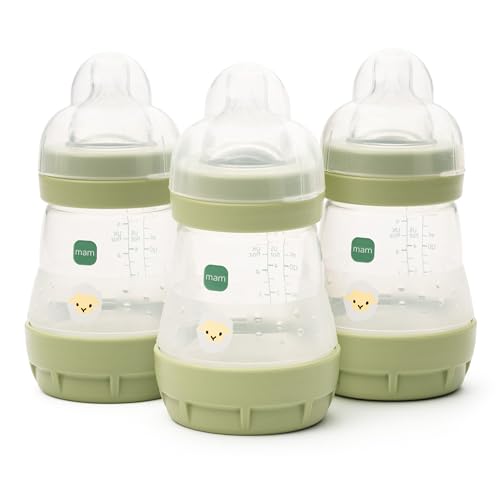
MAM Easy Start Anti-Colic — Best vented design
Three 160ml bottles with size-1 slow teats. Vented base and a practical three-bottle pack.

Dr Brown’s Options+ Wide-Neck — Best single-bottle trial
One 150ml bottle with a Level 1 teat. Try the internal vent before buying a set.

Philips Avent Natural Response — Best active-drinking teat
Two 125ml bottles with Flow 2 teats. Teat releases milk as baby actively drinks.
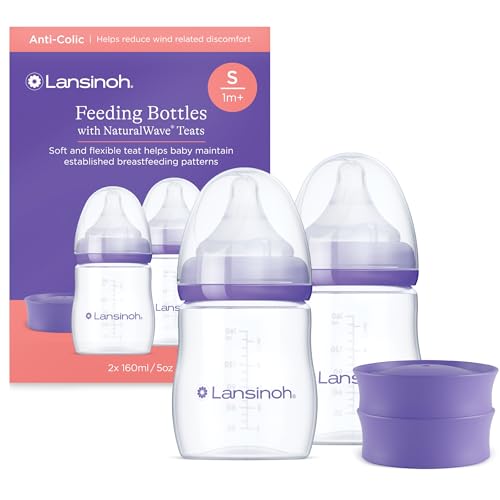
Lansinoh NaturalWave — Best two-bottle option
Two 160ml bottles with slow-flow teats. Small pack for comparing a different teat shape.
In this guide
- Comparison at a glance
- The five best baby bottles for UK families
- Which baby bottle should you choose?
- What anti-colic features can actually do
- Teat flow, bottle size and spare parts
- Cleaning and sterilising
- How many bottles do you need?
- The bottom line
- Frequently asked questions
Comparison at a glance
The best first purchase is usually a manageable pack with a teat your baby accepts. A vented base or internal tube can be worth trying, but it also changes the cleaning routine.
| Bottle | Pack and included teat | Practical strength | Keep in mind |
|---|---|---|---|
| Tommee Tippee Natural Start | Three 150ml bottles with extra-slow-flow teats | Few separate parts to wash | Check that the extra-slow teat suits your baby |
| MAM Easy Start Anti-Colic | Three 160ml bottles with size-1 slow teats | Vented base and a practical three-bottle pack | The base has extra parts to clean |
| Dr Brown’s Options+ Wide-Neck | One 150ml bottle with a Level 1 teat | Try the internal vent before buying a set | Internal vent adds cleaning steps |
| Philips Avent Natural Response | Two 125ml bottles with Flow 2 teats | Teat releases milk as baby actively drinks | Some babies need time to get used to the flow |
| Lansinoh NaturalWave | Two 160ml bottles with slow-flow teats | Small pack for comparing a different teat shape | Confirm replacement teat fit before stocking up |
Pack contents and teat variants can change. Confirm the pack and teat shown before ordering, then follow the maker’s instructions for fitting and cleaning.
The five best baby bottles for UK families
Tommee Tippee Natural Start — best simple starter
What stands out: Three small 150ml bottles make a useful starter pack for a family introducing bottle feeds. The extra-slow teats are a gentler starting flow to assess, and the teat valve avoids a separate venting tube. The relatively simple shape is convenient for daily washing.
What to consider: The teat shape is one option rather than a guarantee of an easy latch. Watch how your baby feeds and change flow or brand if feeds are consistently uncomfortable. Keep the ring and teat correctly assembled.
MAM Easy Start Anti-Colic — best vented design
What stands out: MAM’s 160ml Easy Start bottles use a vented base. This three-pack suits families who want several bottles ready for regular feeds and are comfortable cleaning the base components. Size-1 slow teats are included.
What to consider: The additional parts need careful washing and reassembly. The brand also describes a self-sterilising method for this design; follow the instructions for the exact bottle and microwave before using it.
Dr Brown’s Options+ Wide-Neck — best single-bottle trial
What stands out: This single 150ml Options+ wide-neck bottle is a sensible way to trial Dr Brown’s internal vent before buying a larger set. It includes a Level 1 teat, and the removable vent makes its design distinct from the simple-valve bottles.
What to consider: The vent system has more pieces to clean. Check its assembly and care guide closely, especially if you plan to use it frequently. A different teat or feeding position may matter more than the vent for your baby.
Philips Avent Natural Response — best active-drinking teat
What stands out: These two 125ml Philips Avent Natural Response bottles have Flow 2 teats. The teat is designed to release milk when a baby actively drinks, making it a different feeding feel to a free-flowing teat. The modest two-pack gives you room to see whether that feel suits your baby.
What to consider: Some babies take time to adapt to this response pattern. Follow your baby’s feeding cues and check the maker’s flow guidance if feeds seem unusually hard work or too quick.
Lansinoh NaturalWave — best two-bottle option
What stands out: Lansinoh’s NaturalWave two-pack contains 160ml bottles and slow-flow teats. It is a practical middle ground for trying a second teat shape without committing to a large set. The teat includes an air-vent feature.
What to consider: Teat preference is individual. Confirm that replacement teats for this exact bottle are easy for you to source before buying more bottles.
Which baby bottle should you choose?
Starting from scratch: try the Tommee Tippee three-pack if easy cleaning is your priority. If you specifically want a vented base, compare the MAM set. A single Dr Brown’s bottle is the lower-commitment route for trying an internal vent.
Comparing teat feel: Philips Avent Natural Response offers an active-drinking design; Lansinoh gives you a different slow-flow teat shape in a two-pack. Babies can prefer different teats, so buy a modest quantity first and observe the feed before adding a full cupboard of matching bottles.
For mixed feeding, our combination-feeding guide covers a gradual routine. A bottle’s label cannot predict how a baby will move between breast and bottle.
What anti-colic features can actually do
“Anti-colic” describes a bottle’s vent or valve design; it is not a medical result. A vent may help manage airflow during a feed, but babies cry for many reasons. The NHS says you can try an anti-colic bottle to see whether it helps your baby, while also seeking advice if you are concerned.
Feed responsively: hold your baby semi-upright, keep the bottle nearly horizontal and allow pauses. Avoid propping a bottle or urging your baby to finish it. If crying, vomiting, poor weight gain or feeding difficulty worries you, speak to your health visitor or GP rather than relying on a bottle change.
Teat flow, bottle size and spare parts
A slow or extra-slow teat is a common place to start for a young baby, but the right flow is the one that supports a comfortable feed. The number printed on a teat is brand-specific. Watch your baby’s cues instead of treating a stated age as a deadline to move up.
Small bottles can be easier to handle at first; larger bottles become useful when feeds grow. Check whether the exact bottle has compatible replacement teats, rings and vent parts. For expressed milk, see our breast-milk storage guide for safe handling before it reaches the bottle.
Cleaning and sterilising
The NHS advises sterilising feeding equipment until a baby is at least 12 months old. Wash bottles, teats and small parts thoroughly in hot soapy water, then sterilise with a suitable method following the equipment instructions. Pay particular attention to valves, MAM bases and Dr Brown’s internal-vent pieces.
Our sterilising methods guide compares approaches, and the bottle-steriliser guide helps if you want a dedicated appliance. A bottle with fewer components can make a busy daily routine easier.
How many bottles do you need?
If you are testing a bottle alongside breastfeeding, one or two can be enough to learn whether the teat suits your baby. Regular bottle feeding calls for more clean bottles in rotation, but the number depends on your washing routine and the feeds you prepare. Start small, then buy more of the version your baby accepts.
Check that you have the parts required for cleaning and sterilising the exact model. Keep spare teats matched to that bottle family rather than assuming different brands will fit.
The bottom line
Tommee Tippee Natural Start is the easiest all-round starting point here for its manageable three-pack and fewer parts to wash. Choose MAM for a vented-base system, or trial one Dr Brown’s bottle before committing to its extra parts. Philips Avent and Lansinoh make sense when you want to compare the teat’s feeding feel. Let your baby’s response and your cleaning routine decide the next purchase.
Frequently asked questions
Are anti-colic bottles proven to stop colic? No bottle is proven to stop colic for every baby. You can try a vented design and observe your baby, while seeking advice from a health visitor or GP when crying or feeding concerns persist.
Which bottle is best for a breastfed baby? There is no proven best bottle or teat for every breastfed baby. Start with a small pack and a suitable teat, offer feeds responsively and see how your baby manages the change.
What teat flow should I start with? A slow or extra-slow teat is a common starting option. Flow labels differ between brands, so watch feeding cues and check the exact maker’s guidance.
Do baby bottles need sterilising in the UK? Yes. NHS guidance is to sterilise feeding equipment until your baby is at least 12 months old. Clean all parts first, then use a suitable sterilising method.
Should I buy a large bottle set immediately? Trying one or a small pack first gives you a chance to assess teat acceptance and cleaning effort before buying a larger set.