It’s 2am, you’re peering into the cot for the fourth time wondering whether your baby is too hot or too cold, and the blanket you tucked in an hour ago is bunched up around their face. Baby sleeping bags solve this nightly anxiety — they keep your baby at a consistent temperature, they can’t be kicked off or pulled over the face, and they remove the loose bedding risk that keeps new parents awake. But the TOG ratings, size guides, and brand differences make choosing one more complicated than it should be.
In This Article
- Why Baby Sleeping Bags Over Blankets
- TOG Ratings Explained
- Best Baby Sleeping Bags 2026 UK: Our Picks
- How to Choose the Right TOG
- Sizing and When to Size Up
- Materials and Fabric Choices
- Safety Considerations
- Seasonal Sleeping Bag Guide
- Frequently Asked Questions
Why Baby Sleeping Bags Over Blankets
The Lullaby Trust recommends baby sleeping bags as a safer alternative to loose blankets for infants. The reasons are practical and evidence-based.
Safety
Loose blankets can cover a baby’s face, be kicked into bunches that restrict breathing, or slip beneath the baby. Sleeping bags eliminate all three risks. They zip on, stay in place, and have no loose fabric near the face. The armholes prevent the baby from sliding down inside the bag.
Temperature Consistency
Blankets fall off. Every parent has crept into the nursery to replace a kicked-off blanket at 3am. A sleeping bag maintains consistent insulation throughout the night, which means more stable body temperature and — crucially — fewer wake-ups for everyone.
Sleep Cues
A sleeping bag becomes part of the bedtime routine. Put the bag on and the baby associates it with sleep. This conditioned response is more powerful than it sounds — we’ve seen it work with babies as young as three months, and it travels. Same bag in a travel cot, hotel cot, or grandparents’ house signals “sleep time” regardless of the unfamiliar environment.
TOG Ratings Explained
TOG is a measure of thermal resistance — how well the fabric insulates. Higher TOG = warmer sleeping bag. It’s the same rating system used for duvets, but the numbers for babies are lower because they need less insulation.
TOG Guide by Room Temperature
- 0.5 TOG — summer weight. For room temperatures of 24°C+. Essentially a single layer of cotton
- 1.0 TOG — light. For rooms at 21-23°C. The most versatile year-round option in well-heated homes
- 2.5 TOG — standard. For rooms at 16-20°C. The most popular rating for UK bedrooms during autumn, winter, and spring
- 3.5 TOG — warm. For rooms below 16°C. Only needed in unheated rooms or particularly cold houses
The UK Reality
Most UK homes with central heating maintain bedroom temperatures of 18-21°C overnight. This means a 2.5 TOG bag covers roughly September to May, and a 1.0 TOG bag covers June to August. Two sleeping bags — one 2.5 TOG and one 1.0 TOG — will see most families through the entire year.
For a detailed breakdown of how room temperature affects baby sleep safety, that guide covers the specifics including what to dress your baby in underneath the bag.
Best Baby Sleeping Bags 2026 UK: Our Picks
Grobag by The Gro Company — Best Overall
- TOG options: 0.5, 1.0, 2.5, 3.5
- Sizes: Newborn, 0-6m, 6-18m, 18-36m
- Material: 100% cotton outer and lining
- Price: About £22-35
- Features: Two-way zip, shoulder poppers, underarm poppers for temperature regulation
The Grobag is the original baby sleeping bag brand in the UK and still the benchmark. The cotton is soft from the first use, the zip is smooth and robust, and the sizing runs true. The shoulder poppers let you adjust the fit as your baby grows between sizes, and the underarm poppers on the 2.5 TOG model allow ventilation on warmer nights without switching to a lower TOG. After two children and countless washes, ours have held up with no pilling, shrinkage, or zip failures.
Buy from: John Lewis, Amazon UK, Boots, Mothercare
Ergobaby On the Move — Best for Active Sleepers
- TOG options: 1.0, 2.5
- Sizes: 0-6m, 6-18m, 18-36m
- Material: 100% organic cotton, GOTS certified
- Price: About £30-40
- Features: Foot openings for walking, adjustable shoulder straps
The Ergobaby has a clever design — the bottom unzips to create leg openings, allowing toddlers to walk while wearing the bag. This solves the problem of kids who want to stand up in the cot or walk to the bathroom at night. The organic cotton is noticeably softer than conventional alternatives, and the GOTS certification means no harmful chemicals in the fabric. At £35 for the 2.5 TOG, it’s pricier than a Grobag but the foot opening feature is worth it once your baby starts standing.
Buy from: John Lewis, Ergobaby direct, Amazon UK
Tommee Tippee Sleepee — Best Budget
- TOG options: 0.2, 1.0, 2.5
- Sizes: 0-6m, 6-18m, 18-36m
- Material: Cotton-rich blend
- Price: About £12-18
- Features: Two-way zip, hip-healthy design certified by the International Hip Dysplasia Institute
Tommee Tippee delivers reliable quality at the lowest price point worth considering. The Sleepee bags are hip-healthy certified — the generous shape allows natural frog-legged positioning that supports hip development. The cotton-blend fabric is slightly thinner than pure cotton alternatives but washes well and dries fast. At £15 for a 2.5 TOG, you can buy three for the price of one premium bag and have spares for laundry rotation.
Buy from: Boots, Argos, Asda, Amazon UK
Aden + Anais Muslin Sleeping Bag — Best for Summer
- TOG options: 0.5, 1.0
- Sizes: 0-6m, 6-18m, 18-36m
- Material: 100% cotton muslin
- Price: About £28-38
- Features: Breathable muslin, front zip, snap shoulders
Muslin is the ideal summer sleeping bag fabric — it breathes better than any other material and prevents overheating during UK heatwaves. The Aden + Anais bags use their signature cotton muslin in a sleeping bag format, and the breathability is noticeably superior to cotton jersey bags at the same TOG rating. The prints are beautiful too, which matters more than it should. For families who struggle with baby overheating in summer, this is the bag to buy. For a related angle, see our Swaddling vs Sleeping Bags: Which Helps Babies Sleep Better? guide.
Buy from: John Lewis, Aden + Anais direct, Amazon UK
Woolino 4 Season — Best Natural Fibre
- TOG options: Equivalent to 2.0 (merino self-regulates)
- Sizes: 0-6m, 2-24m
- Material: Australian merino wool inner, organic cotton outer
- Price: About £70-85
- Features: Temperature-regulating merino, fits from 2 to 24 months
Woolino takes a different approach — instead of multiple TOG ratings, they use merino wool’s natural temperature regulation to create a single bag that works from 15-23°C. The merino absorbs and releases moisture, keeping the baby warm when cool and cool when warm. At £75, it’s the most expensive option, but you buy one bag instead of two or three, and the 2-24 month sizing means it grows with your baby for nearly two years. Based on owner feedback, the merino genuinely does regulate — parents report fewer night wakes from temperature discomfort.
Buy from: Woolino direct, Amazon UK
How to Choose the Right TOG
Check Your Room Temperature
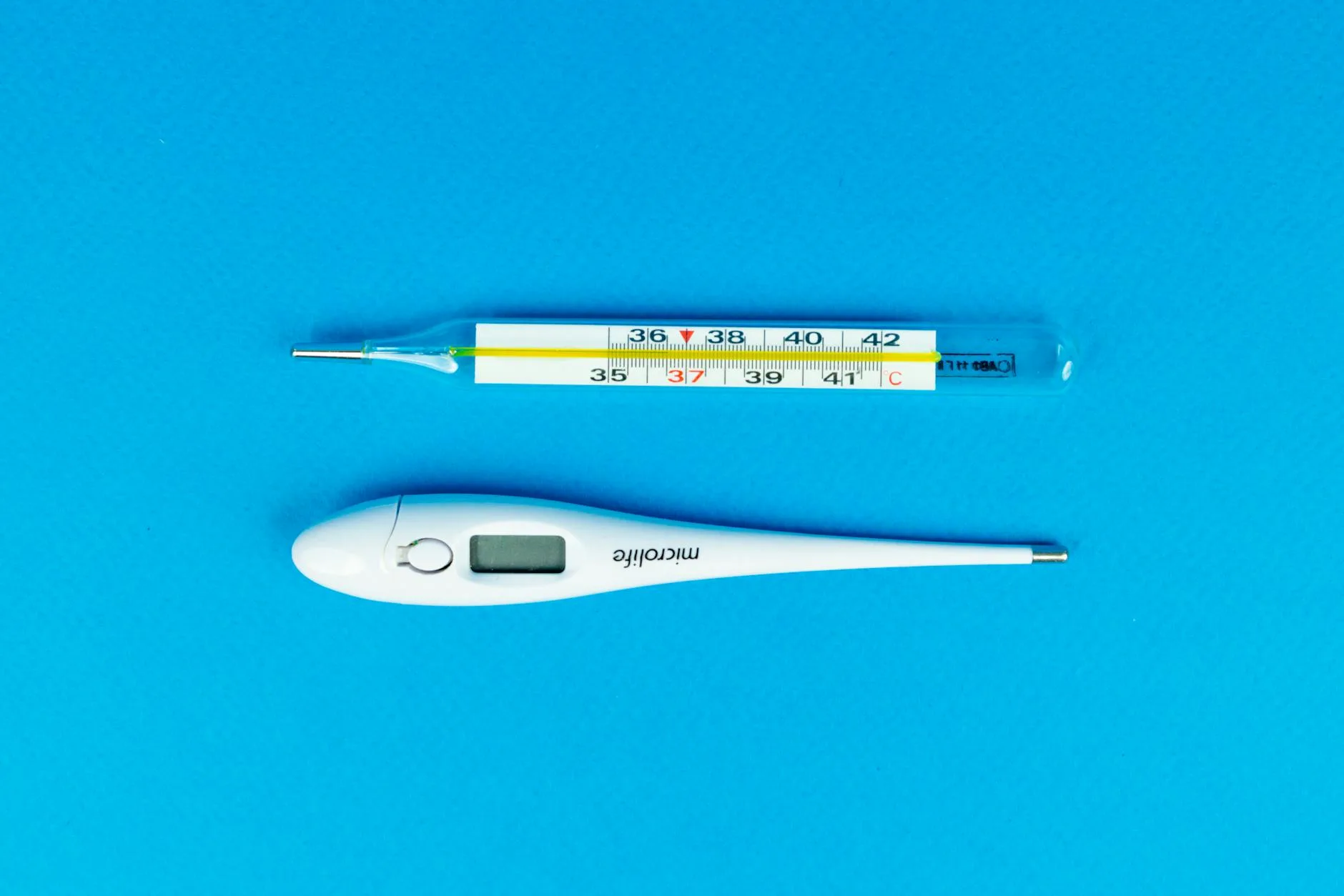
Before buying, measure your baby’s room temperature overnight for a few nights. A simple room thermometer (about £5 from Boots or Amazon) tells you what you’re working with. Don’t guess — UK homes vary enormously based on insulation, heating schedule, and which floor the bedroom is on.
Layer Underneath
The sleeping bag replaces the top sheet and blanket — not the baby’s clothing. What goes underneath affects total warmth:
- 24°C+ (0.5 TOG bag) — nappy only, or a short-sleeved bodysuit
- 20-24°C (1.0 TOG bag) — short-sleeved bodysuit
- 16-20°C (2.5 TOG bag) — long-sleeved bodysuit or bodysuit plus sleepsuit
- Below 16°C (3.5 TOG bag) — long-sleeved bodysuit and sleepsuit
The Touch Test
Check your baby’s chest or back of the neck (not hands or feet, which are naturally cooler). If the skin feels warm and dry, the temperature is right. If it feels sweaty or clammy, they’re too warm — remove a layer or switch to a lower TOG.
Sizing and When to Size Up
Standard Sizes
- Newborn/premature — for babies under 4kg. Not all brands offer this size
- 0-6 months — fits most babies from birth to roughly 67cm length
- 6-18 months — typically 67-86cm
- 18-36 months — typically 86-110cm
Getting the Right Fit
The neck opening is the critical measurement. If you can fit more than two fingers between the baby’s neck and the bag’s neckline, it’s too big — the baby could slip down inside. The bag should be roomy enough for the legs to move freely but snug around the chest and shoulders.
When to Move Up
Size up when your baby’s feet consistently press against the bottom of the bag, or when the shoulder poppers are on their loosest setting and still look tight. Sizing up too early is a safety risk — a bag that’s too large allows the baby to slide down inside.
Materials and Fabric Choices
Cotton (Most Common)
Soft, breathable, machine-washable, and available at every price point. Cotton jersey is the standard for most sleeping bags. It handles frequent washing well and gets softer over time. The only downside is limited temperature regulation — cotton doesn’t wick moisture as well as wool or bamboo.
Muslin
Exceptionally breathable — the loose weave allows air to circulate more than any other fabric. Ideal for summer bags (0.5-1.0 TOG). Muslin wrinkles easily but that’s purely cosmetic. Aden + Anais popularised muslin sleeping bags and they remain the best option for hot weather. Our Car Seat Safety Ratings Explained: Plus Test, i-Size & R44 guide is useful alongside this.
Merino Wool
Natural temperature regulation, moisture-wicking, and antimicrobial. Merino adjusts to the baby’s body temperature, which is why Woolino can offer a single bag for multiple seasons. More expensive than cotton but lasts longer and needs washing less frequently. Some parents worry about wool irritation — merino is much finer than standard wool and most babies tolerate it without issues.
Bamboo
Soft, moisture-wicking, and naturally hypoallergenic. Bamboo viscose sleeping bags feel silky and stay cool in summer. The environmental claims around bamboo are debatable (processing bamboo into fabric uses chemicals), but the comfort and performance are genuine.
Safety Considerations
Never Use with a Blanket
A sleeping bag replaces blankets entirely. Adding a blanket on top creates overheating risk and reintroduces the loose bedding hazard the bag is designed to prevent.
Arms Must Be Out
Baby sleeping bags are designed with the arms free. This allows the baby to self-soothe, prevents overheating, and ensures the baby can push themselves up if they roll onto their stomach. Never use a sleeping bag that covers the arms unless it’s specifically designed as a swaddle (and only for newborns who cannot roll).
Check the Fit Around the Neck
The neck opening must be snug enough that the baby cannot slide down inside the bag. This is the single most important safety check. If the neckline gaps, the bag is too large.
When NOT to Use a Sleeping Bag
- Premature babies — unless using a premature-specific size. Standard newborn bags are too large
- Babies who can climb out of the cot — the bag restricts leg movement and increases fall risk when climbing
- In car seats — never use a sleeping bag in a car seat. The bulk interferes with harness fit. Use a blanket over the harness instead
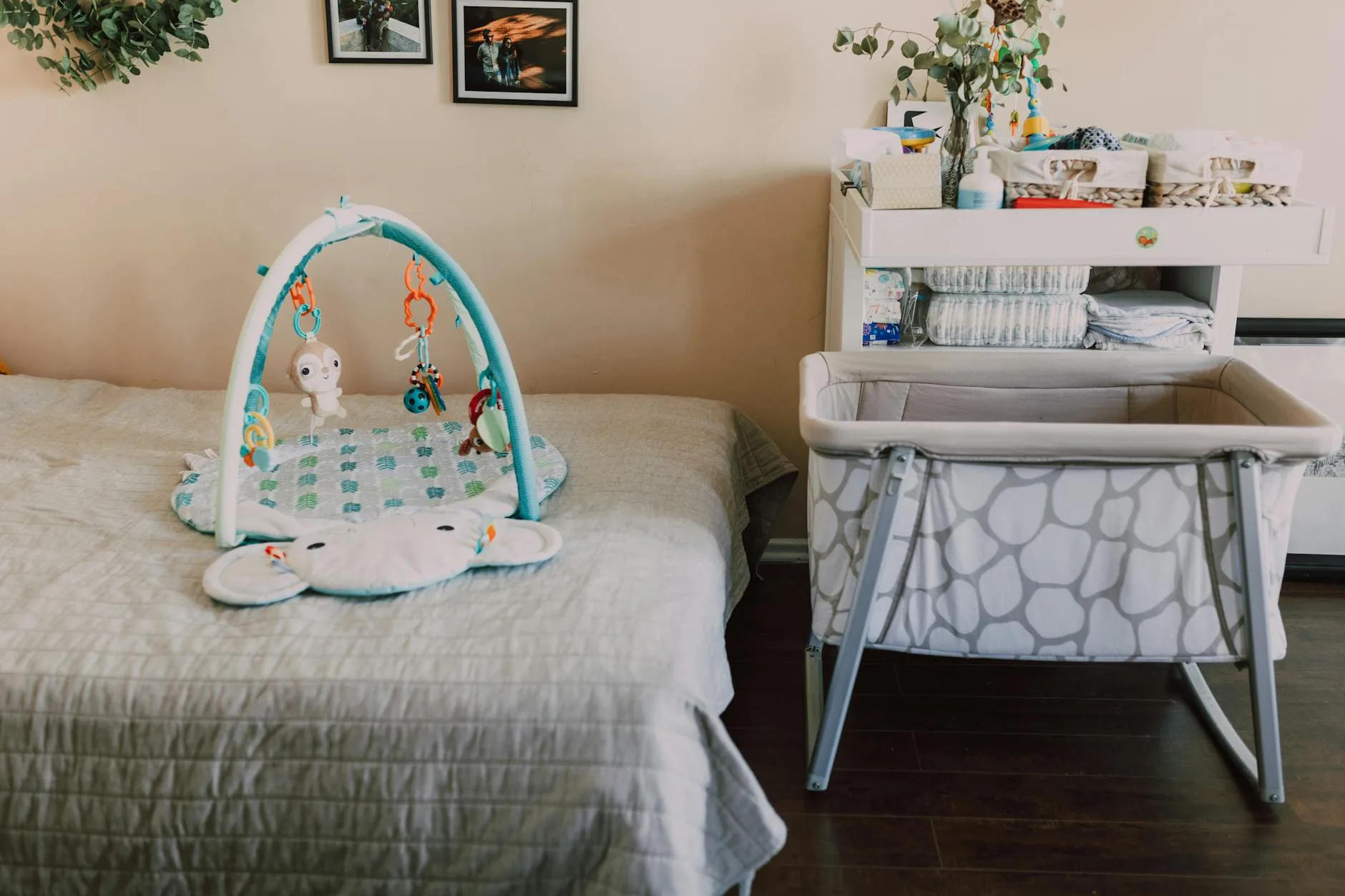
If you’re comparing bedside cribs for your newborn, check that the sleeping bag fits within the crib’s dimensions — some bedside cribs are slightly narrower than standard cots.
Seasonal Sleeping Bag Guide
Spring (March-May)
Room temperatures fluctuate as heating switches off. Start with 2.5 TOG in March, transition to 1.0 TOG by late April if the room consistently stays above 20°C overnight.
Summer (June-August)
Use 0.5-1.0 TOG. During heatwaves (room above 25°C), a 0.5 TOG bag with just a nappy underneath is sufficient. Keep the room ventilated — a fan in the corner of the room (not pointed directly at the cot) helps air circulation.
Autumn (September-November)
Switch back to 2.5 TOG as heating goes on. October is typically when UK bedrooms drop below 20°C overnight consistently.
Winter (December-February)
2.5 TOG for most heated homes. If your baby’s room drops below 16°C (older houses, rooms above garages, loft conversions), consider a 3.5 TOG bag or add an extra layer underneath the 2.5 TOG.
Frequently Asked Questions
What TOG sleeping bag should I buy for a newborn? Start with a 2.5 TOG bag for most UK homes. If your baby is born in summer (June-August), a 1.0 TOG bag may be more appropriate initially. Check the room temperature — if it stays above 20°C overnight, use 1.0 TOG. Below 20°C, use 2.5 TOG.
Can a baby overheat in a sleeping bag? Yes, if the TOG is too high for the room temperature or the baby is wearing too many layers underneath. Check the baby’s chest — if it feels sweaty or clammy, they’re too warm. Remove a clothing layer or switch to a lower TOG bag. Overheating is a risk factor for SIDS, so erring on the cooler side is safer than overdressing.
How many sleeping bags do I need? A minimum of two in the same TOG — one to use while the other is in the wash. Ideally, one 2.5 TOG and one 1.0 TOG covers the full year. Having a spare of your most-used TOG rating saves emergency late-night laundry sessions after nappy leaks.
When should a baby stop using a sleeping bag? There’s no upper age limit — sleeping bags are available up to age 6+. Most children transition to a duvet between 18 months and 3 years, often when they move from a cot to a toddler bed. If your child is comfortable in a sleeping bag and sleeps well, there’s no reason to switch.
Are sleeping bags safe for babies who roll over? Yes. Baby sleeping bags with armholes allow babies to push up and reposition themselves if they roll onto their front. The Lullaby Trust considers sleeping bags safe for rolling babies, provided the bag fits correctly (snug at the neck and armholes) and the baby’s arms are free.