It’s 2am, the baby’s awake again, and you’re standing in the nursery wondering whether you’ve made the wrong choice. Last week they slept beautifully in their swaddle. Now they’re breaking out of it every forty minutes, arms flailing, crying the moment they wake themselves up. Your mum says “just swaddle tighter.” Your NCT WhatsApp group says “switch to a sleeping bag.” The internet says both, depending on which article you read.
The truth is that swaddling and sleeping bags serve different purposes at different stages, and the “right” choice depends entirely on your baby’s age, temperament, and developmental stage. This isn’t a battle between two competing products — it’s a transition that nearly every baby goes through, and understanding when and how to make that switch is what actually helps everyone sleep.
In This Article
- What Swaddling Actually Does
- What Sleeping Bags Do Differently
- When to Swaddle: Age and Development Guide
- When to Switch to a Sleeping Bag
- The Transition Period: Swaddle to Sleeping Bag
- Safety Considerations for Swaddling
- Safety Considerations for Sleeping Bags
- TOG Ratings: Keeping the Right Temperature
- Which Is Better for Different Sleep Situations
- Common Problems and Fixes
- What to Buy: Practical Recommendations
- Frequently Asked Questions
What Swaddling Actually Does
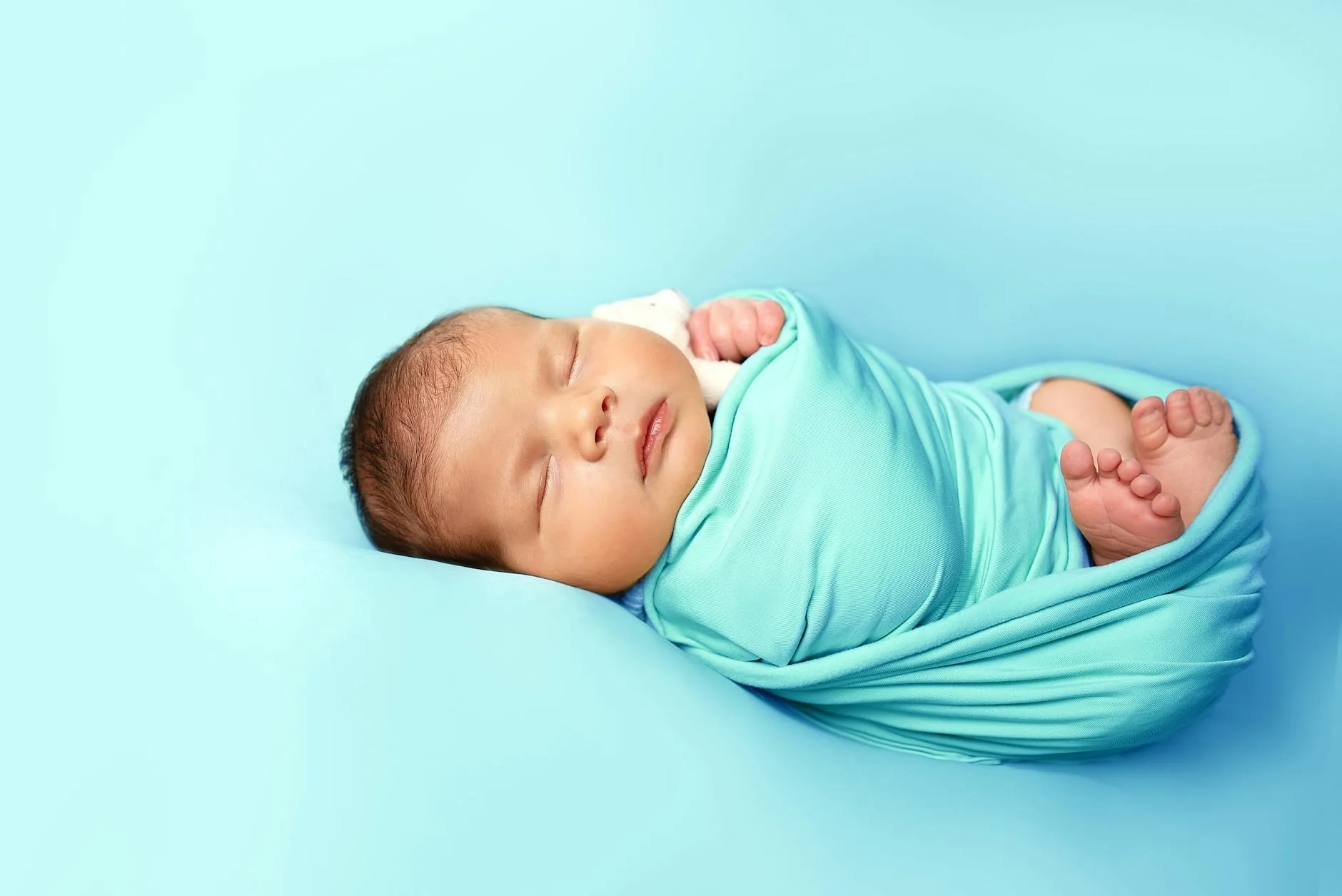
Swaddling wraps a baby snugly in a blanket or purpose-made wrap, restricting their arm and leg movement. It mimics the tight, contained feeling of the womb — warm, secure, with limited space to flail. For a newborn who spent nine months curled up in a space the size of a football, the sudden freedom of the outside world is overwhelming. Swaddling puts boundaries back.
The Moro Reflex
The main reason swaddling helps newborns sleep is the Moro (startle) reflex. This involuntary reflex causes babies to suddenly throw their arms outward, arch their back, and then pull their arms back in — often waking themselves up in the process. It’s hardwired into the nervous system and present from birth until roughly 3-5 months. Swaddling holds the arms in place, preventing the reflex from disturbing sleep.
If you’ve ever watched a sleeping baby suddenly jerk awake with arms spread wide, looking startled and immediately crying — that’s the Moro reflex in action. Swaddling doesn’t stop the reflex from firing, but it prevents the physical movement that wakes the baby.
Warmth and Security
Beyond reflex control, swaddling provides consistent warmth without loose blankets (which are a SIDS risk) and a feeling of containment that many newborns find calming. Some babies settle almost immediately when swaddled; others fight it for a few minutes before relaxing. A very small number never accept swaddling at all — and that’s fine. Not every baby needs it.
What Sleeping Bags Do Differently
Baby sleeping bags (also called sleep sacks) are wearable blankets — a bag with arm holes and sometimes a zip, that keeps the baby warm without restricting arm movement. They come in various TOG ratings for different room temperatures and range from newborn to toddler sizes.
Freedom of Movement
The key difference from swaddling is that sleeping bags allow full arm movement. The baby can self-soothe by sucking their fingers, rubbing their face, or moving their arms into a comfortable position. This is why sleeping bags work for older babies who’ve outgrown the need for swaddling — they’ve developed enough motor control that free arms are a comfort rather than a problem.
Consistent Temperature
Sleeping bags maintain a more consistent temperature than loose blankets because they can’t be kicked off. Any parent who’s checked on their baby at midnight and found them lying in a star shape with their blankets in a pile at the end of the cot knows this problem. A sleeping bag stays put, which means you can set the TOG rating for the room temperature and trust that it’ll work all night.
Safety Advantage
The Lullaby Trust recommends sleeping bags as a safer alternative to loose blankets for baby sleep. Loose bedding can cover a baby’s face, creating a suffocation risk. A properly fitted sleeping bag eliminates this risk entirely — there’s nothing loose in the cot to ride up over the baby’s face.
When to Swaddle: Age and Development Guide
Newborn to 8 Weeks
This is the sweet spot for swaddling. The Moro reflex is at its strongest, the baby has minimal motor control, and the womb-like containment is most comforting. Most newborns who accept swaddling sleep noticeably longer and more peacefully when wrapped.
8 Weeks to 3 Months
The reflex is still present but starting to weaken. Many babies begin to resist swaddling at this stage — fighting the wrap, breaking one or both arms free, or waking because the swaddle has come partially undone. This is the window where transitional products (arms-out swaddles, one-arm-free wraps) become useful.
3 Months and Beyond
By three months, most babies are starting to roll or show signs of rolling. This is the hard deadline for stopping traditional swaddling. A baby who rolls onto their front while swaddled cannot use their arms to push themselves up or reposition, creating a suffocation risk. The moment your baby shows any sign of rolling — even just rolling to their side — swaddling must stop immediately. No exceptions.
When to Switch to a Sleeping Bag
The switch should happen when any ONE of these conditions is met:
- Rolling — any sign of rolling, even partial. This is a safety deadline, not a guideline
- Breaking free regularly — if the baby consistently escapes the swaddle, it’s no longer serving its purpose and the loose fabric becomes a hazard
- Fighting the swaddle — active resistance (crying when being wrapped, arching away from the swaddle) suggests the baby no longer finds it comforting
- Age 3-4 months — even if none of the above apply, most sleep experts recommend transitioning by 4 months at the latest
Don’t wait for all four conditions. One is enough.
The Transition Period: Swaddle to Sleeping Bag
This is where most parents struggle. Going from a snug swaddle to a roomy sleeping bag overnight can be a shock for babies who relied on the containment. The key is making it gradual.
The One-Arm Method
The most popular transition approach:
- Night 1-3: Swaddle with one arm out. Choose the arm the baby prefers to suck (watch which hand goes to their mouth most). The other arm stays wrapped
- Night 4-6: Both arms out, but keep the swaddle wrapped around the torso for the familiar containment feeling
- Night 7+: Switch to a sleeping bag
This works for most babies. Expect some disruption on nights 1-2 of each stage — this is normal and usually resolves within two or three nights.
Transitional Products
Several products bridge the gap between swaddle and sleeping bag:
- Love to Dream Swaddle Up (about £20-25) — arms-up design that allows hand access while maintaining torso containment. Popular with babies who self-soothe by sucking their hands
- Ergobaby Swaddler (about £25-30) — adjustable wing design that allows one or both arms to be freed gradually
- Gro Snuggle (about £28-32) — a sleeping bag with detachable swaddle arms. Start swaddled, remove one arm, then both, then you have a standard sleeping bag
These aren’t essential — the one-arm method with a regular muslin swaddle works fine — but they simplify the process and some parents find the structured approach less stressful than trying to half-wrap a wriggly baby at 3am.
Expect Regression
The transition typically causes 3-7 nights of disrupted sleep. This is not a sign that you’ve made the wrong choice. The baby is adjusting to a new sensation, and temporary disruption is normal. Resist the urge to re-swaddle — going backwards extends the overall transition time.
Safety Considerations for Swaddling
Hip Dysplasia Risk
Tight swaddling that forces the legs together and straight can contribute to hip dysplasia — a condition where the hip joint doesn’t develop properly. The International Hip Dysplasia Institute recommends “hip-healthy swaddling” where the legs are free to bend and spread naturally. This means wrapping the arms snugly but leaving the legs loose inside the swaddle or wrap.
In practice: use a large muslin (120cm × 120cm) and wrap the top half firmly around the arms and chest while letting the bottom half drape loosely over the legs. Purpose-made swaddle wraps like the Halo SleepSack Swaddle are designed to get this right automatically.
Overheating
Swaddled babies are warmer than unswaddled babies. In a warm room (above 20°C), a swaddled baby in a vest and sleepsuit may overheat. Check the baby’s chest temperature — it should feel warm but not hot or sweaty. The back of the neck is another good spot. Hands and feet naturally feel cooler and aren’t reliable indicators.
Swaddling Tightness
The swaddle should be firm enough that the baby can’t break free (loose fabric is a suffocation risk) but not so tight that you can’t slide two fingers between the wrap and the baby’s chest. Think “snug hug” not “straitjacket.”
Safety Considerations for Sleeping Bags
Correct Sizing
A sleeping bag that’s too big allows the baby to slip down inside, with the fabric potentially covering their face. Size by the baby’s weight and length, not age — manufacturers provide size charts for a reason. The neck opening should be snug enough that the baby can’t slip through. If you can fit your fist through the neck hole with the baby wearing it, it’s too big.
Armholes Not Sleeves
Sleeping bags should have armholes, not sleeves. Sleeves add extra warmth that can cause overheating, and they prevent the sleeping bag from being kicked off if the baby does overheat — which is a safety feature, not a design flaw. If the room is cold enough to need arm coverage, add a long-sleeved vest underneath rather than choosing a sleeping bag with sleeves.
Nothing Else in the Cot
A baby in a sleeping bag doesn’t need blankets, quilts, duvets, or any other bedding. The sleeping bag IS the bedding. Adding extra layers on top defeats the purpose and reintroduces the loose bedding risk. Fitted sheet on the mattress, baby in sleeping bag, nothing else.
TOG Ratings: Keeping the Right Temperature
TOG (Thermal Overall Grade) measures how well a fabric retains heat. Higher TOG means warmer.
- 0.5 TOG — for hot rooms above 24°C. Essentially a cotton sheet. Summer nights with no air conditioning
- 1.0 TOG — for warm rooms, 21-23°C. Standard UK summer or a warm centrally-heated nursery
- 2.5 TOG — for cool rooms, 16-20°C. The most commonly used rating in UK homes. Works for most of the year in a typical centrally-heated house
- 3.5 TOG — for cold rooms below 16°C. Unheated rooms in winter, draughty older houses, camping
The Room Temperature Connection
The baby’s total warmth depends on the sleeping bag TOG PLUS their clothing. A baby in a 2.5 TOG sleeping bag with a long-sleeved vest and sleepsuit is dressed for a room at about 18°C. The same baby in just a short-sleeved vest with the same sleeping bag is dressed for about 22°C. If your nursery room temperature fluctuates, you can read more about finding the right balance in our room temperature guide. Our Toddler Night Lights: Do They Help or Hinder Sleep? guide is useful alongside this.
The Swaddling TOG Complication
Swaddles add warmth too, but they’re not usually rated in TOG. A single-layer muslin swaddle adds roughly 0.5 TOG equivalent. A double-layer cotton swaddle adds about 1.0 TOG. Add this to the baby’s clothing TOG when working out whether they’re too warm. This is another advantage of sleeping bags — they have a clear, consistent TOG rating that makes temperature management simpler.
Which Is Better for Different Sleep Situations
Night Sleep in a Cot
Swaddling for newborns (0-3 months), sleeping bags for older babies (3+ months). This follows the natural developmental timeline. Both work well in a cot; the choice depends on the baby’s age and stage.
Daytime Naps
Lighter versions of whatever you use at night. A 1.0 TOG sleeping bag for daytime naps in a warm house, or a single-layer muslin swaddle. Don’t skip the sleeping bag for naps just because it’s daytime — loose blankets are a risk at any time of day, and consistency helps the baby associate the sleeping bag with sleep.
Travel and Car Seats
Neither swaddles nor sleeping bags should be used in car seats. The harness straps need to sit flush against the baby’s body. Bulky sleeping bags prevent the straps from tightening properly, and swaddles pin the arms inside the harness, which isn’t safe either. Use a blanket over the harness for warmth in the car, removing it once you arrive. Some sleeping bags have a harness slot for pushchair use, but they shouldn’t be used in car seats.
Shared Room (But Not Shared Bed)
The Lullaby Trust recommends room-sharing (baby in own cot in your room) for the first six months. Both swaddling and sleeping bags work in this setup. Sleeping bags are slightly more practical because you don’t need to re-swaddle after night feeds — just place the baby back in the sleeping bag and zip up.
Common Problems and Fixes
Baby Fights the Swaddle
Some babies hate being swaddled from day one. Try different techniques — the diamond wrap sometimes works when the square wrap doesn’t. Try swaddling when the baby is already drowsy rather than fully awake. If they consistently fight it after 3-4 attempts, accept they’re not a swaddle baby and try a sleeping bag from the start.
Baby Keeps Breaking Out of Swaddle
The swaddle isn’t tight enough (on the arms — keep the legs loose), or the muslin is too small. A 120cm × 120cm muslin gives enough fabric for a secure wrap on most babies. Purpose-made swaddle wraps with Velcro are harder to escape from than traditional muslins.
Baby Seems Cold in Sleeping Bag
Check the room temperature and TOG rating match. If the room is 18°C and you’re using a 1.0 TOG bag, the baby will be cold. Switch to 2.5 TOG or add a long-sleeved vest under the sleepsuit. Feel the baby’s chest — cold hands are normal and don’t mean the baby is cold.
Baby Rolls in Sleeping Bag
This is normal and safe, provided the sleeping bag fits correctly and the cot is clear of other items. Babies who can roll have the motor control to reposition themselves. The right sleeping bag doesn’t restrict leg movement, so rolling and repositioning isn’t impeded.
Baby Won’t Sleep Without Swaddle After 4 Months
Use the transitional approach above. Cold turkey removal works for some babies but is brutal for parents. The one-arm method or a transitional product like the Love to Dream Swaddle Up gives the baby time to adapt. Consistency matters more than speed — pick an approach and stick with it for at least a week before concluding it’s not working.
What to Buy: Practical Recommendations
For Newborns (0-3 Months)
Start with 3-4 large muslin swaddles (about £15-20 for a pack from Aden + Anais or Amazon UK). These are the most versatile option — you can also use them as burp cloths, light blankets, and nursing covers. If you find muslin wrapping fiddly at 3am, the Halo SleepSack Swaddle (about £20-25) or Love to Dream Swaddle Up (about £20-25) are easier to use.
For the Transition (2-4 Months)
The Gro Snuggle (about £28-32) is the most practical transitional product because it converts from swaddle to sleeping bag — you don’t need to buy separate products for each stage. Available from Amazon UK and John Lewis.
For Sleeping Bag Stage (3+ Months)
The Gro Company GroBag is the UK standard — widely available, reliable TOG ratings, and sizes from 0-6 months to 18-36 months. About £20-30 depending on size and TOG. Available from virtually everywhere — John Lewis, Argos, Amazon UK, supermarkets. You’ll want at least two (one to wear, one in the wash) and ideally two different TOG ratings (2.5 TOG for most of the year, 1.0 TOG for summer).
Frequently Asked Questions
When should I stop swaddling my baby? Stop swaddling when your baby shows any sign of rolling (even rolling to their side), when they consistently break free of the swaddle, or by 3-4 months at the latest — whichever comes first. Rolling while swaddled is dangerous because the baby can’t use their arms to reposition, so this is a safety deadline rather than a guideline.
Can I use a sleeping bag from birth? Yes — many sleeping bags are sized from birth (typically for babies weighing 2.5kg+). Newborn-sized sleeping bags are roomier than swaddles and don’t provide the same containment or Moro reflex control, so they work best for babies who don’t need or want swaddling. If your baby sleeps well without being swaddled, a sleeping bag from birth is perfectly safe.
What TOG sleeping bag should I use? Match the TOG to your nursery temperature. For most UK homes with central heating (18-20°C), a 2.5 TOG bag is right for most of the year. Switch to 1.0 TOG for warm summer nights (above 21°C). Use 0.5 TOG only in hot weather (above 24°C). Always check the baby’s chest temperature rather than relying on their hands and feet.
Is swaddling bad for babies’ hips? Tight swaddling that forces the legs straight and together can contribute to hip dysplasia. Hip-healthy swaddling — arms snug, legs free to bend and spread — is safe. Purpose-made swaddle wraps are designed to get this right. If using a muslin, wrap the top half firmly and let the bottom half drape loosely.
My baby sleeps better swaddled but is starting to roll. What do I do? Stop swaddling immediately — rolling while swaddled is a safety risk. Use the one-arm transition method (one arm free for 3 nights, then both arms free, then switch to a sleeping bag). Expect 3-7 nights of disrupted sleep. A transitional product like the Love to Dream Swaddle Up can help bridge the gap.