The Munchkin Any Angle Weighted Straw is the best all-round straw cup here for toddlers who are ready for its current age grading. The weighted straw follows the drink as the cup tilts, while the 296ml size works beyond the earliest training stage. For the simplest NHS-aligned first step, the Vital Baby Free Flow cup has fewer drinking barriers and fewer hidden parts.
No cup is right for every child. Follow the exact age grading and instructions, supervise drinking, inspect straws and valves for damage, and stop using any part that is split, swollen or loose. “Spill proof” describes normal use, not a guarantee inside a bag.
In This Guide
- The best toddler cups at a glance
- Our six toddler cup recommendations
- Free-flow, straw, 360 or open cup?
- Age, capacity and handle choice
- Cleaning straws, valves and lids
- Drinks and everyday use
- The Bottom Line
- Frequently Asked Questions
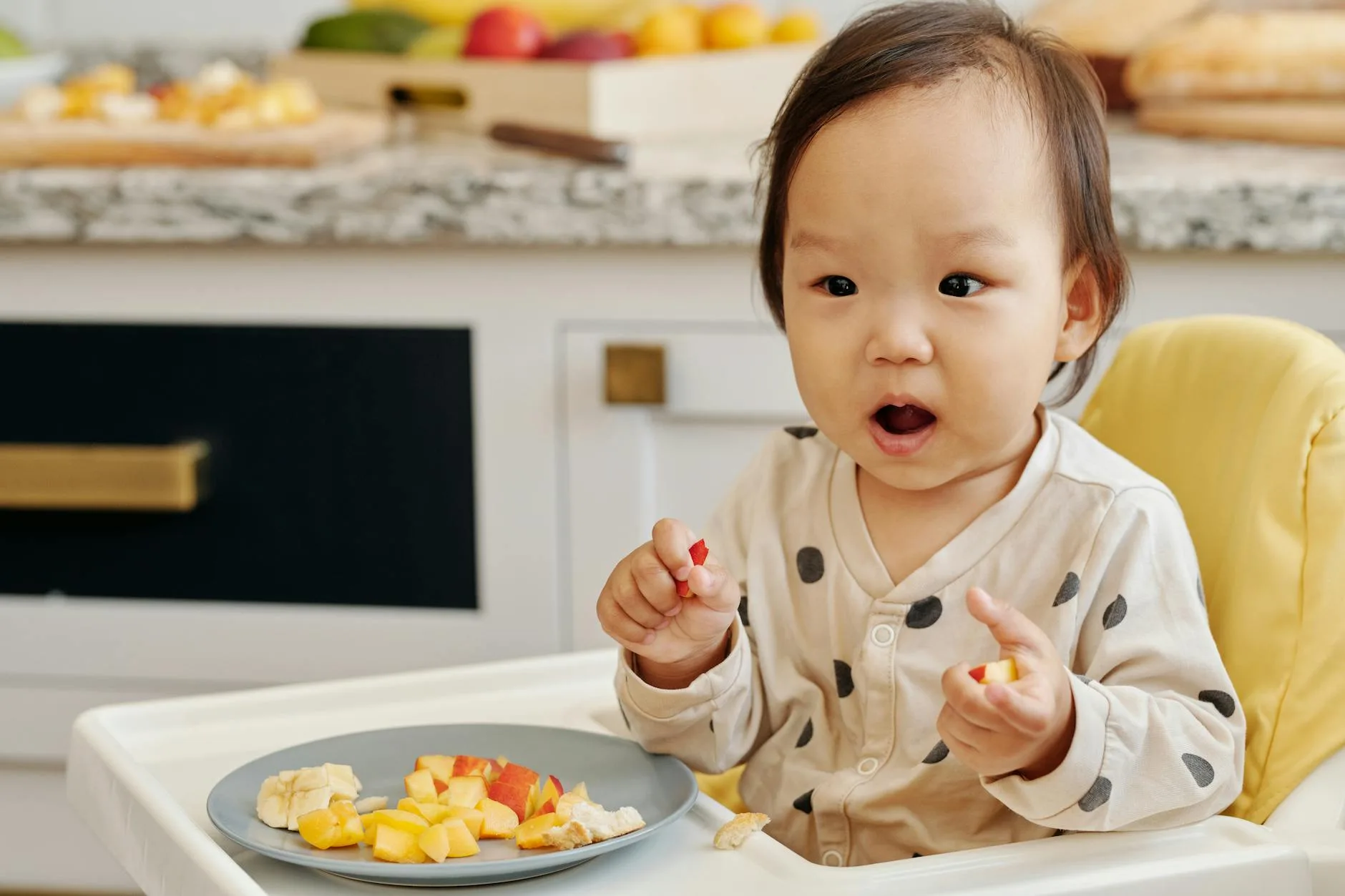
The Best Toddler Cups at a Glance
The comparison is CTA-free so you can choose the drinking style before opening a retailer. Age labels are listing details, not a developmental deadline; check the packaging received because ranges and designs can change.
| Cup | Best for | Style | Capacity | Age guide | Main compromise |
|---|---|---|---|---|---|
| Munchkin Any Angle Weighted Straw | Best overall straw cup | Weighted straw | 296ml | Check current packaging | More valve parts to clean |
| Tommee Tippee Trainer Straw Cup | Best early straw trainer | Straw trainer | Not stated here | 6m+ | Exact capacity must be checked |
| TUM TUM Tippy Up Free Flow | Best free-flow straw cup | Valve-free weighted straw | 300ml | Check current packaging | Can spill when open |
| Munchkin Miracle 360 Two-Pack | Best rim-style trainer | 360-degree rim | 207ml each | 6m+ | Rim valve needs dismantling |
| Vital Baby Free Flow Two-Pack | Best simple first cup | Free-flow spout | 200ml each | 4m+ listing | Spills more easily |
| Nuby Super Straw 360ml | Best for older toddlers | Straw bottle | 360ml | 12m+ | Larger bottle to clean |
Our Six Toddler Cup Recommendations
1. Munchkin Any Angle Weighted Straw — Best Overall Straw Cup

The weighted straw lets a child drink with the cup held at different angles, which can make the transition from bottles easier. The 296ml capacity gives it more useful life than a tiny trainer cup, and the click-lock design aims to contain everyday spills.
Weighted straws and valves create narrow channels where residue can remain. Take every removable part apart according to the instructions and use the supplied or compatible cleaning tool.
- Buy it if: your child manages a straw and benefits from drinking at different angles.
- Skip it if: you want the fewest parts or a true free-flow cup.
- Main compromise: more components to inspect, dismantle and dry.
2. Tommee Tippee Trainer Straw Cup — Best Early Straw Trainer

This Tommee Tippee cup is marked 6m+, making it the clearest early straw-training option in the group. A trainer format can help a child practise drawing liquid through a straw while holding a lightweight cup.
The capacity is not stated, so check the packaging before buying if cup size matters to you. Replacement-part instructions may also vary by colour or generation.
- Buy it if: you want a branded straw trainer with a 6m+ listing.
- Skip it if: you need a known larger capacity for an older toddler.
- Main compromise: the exact capacity and colour variant need checking.
3. TUM TUM Tippy Up Free Flow — Best Free-Flow Straw Cup

TUM TUM combines a weighted straw with no valve, reducing the suction resistance found in many non-spill cups. That makes it a useful compromise for families who want a straw but prefer a freer flow.
Valve-free flow means it can leak when the straw is open or the cup is mishandled. Treat it as a learning cup, not a bottle to throw loose into a changing bag.
- Buy it if: you want a weighted straw without a non-spill valve.
- Skip it if: leak containment is the main priority.
- Main compromise: freer flow brings a higher spill risk.
4. Munchkin Miracle 360 Two-Pack — Best Rim-Style Trainer

The child drinks from the edge rather than a projecting spout or straw. Handles help smaller hands, and the exact pack contains two 207ml cups marked 6m+. It can be a useful bridge for children who resist straws.
The sealing rim still needs removing and cleaning; a 360 cup is not the same as an open cup. Some children need time to understand that they must press the edge while sipping.
- Buy it if: your child prefers a rim and easy-grip handles.
- Skip it if: you want a valve-free open-cup experience.
- Main compromise: the rim mechanism can hide residue if not dismantled.
5. Vital Baby Free Flow Two-Pack — Best Simple First Cup

These 200ml cups use a basic free-flow spout and are listed from 4m+. The simple design aligns more closely with guidance favouring unvalved cups because liquid flows without strong sucking. Two cups are practical for rotation while one dries.
A free-flow cup will spill when tipped, so it needs supervision and patience. The 4m+ label does not override NHS advice about introducing drinks with meals from around six months.
- Buy it if: you want a simple low-resistance trainer with few parts.
- Skip it if: you need a bag-proof cup.
- Main compromise: easy drinking also means easy spilling.
6. Nuby Super Straw 360ml — Best for Older Toddlers

The Nuby is listed for 12m+ and holds 360ml, making it better suited to an older toddler who already drinks confidently from a straw. The larger capacity can reduce refills on days out.
A larger bottle becomes heavy when full and needs thorough cleaning along the complete straw path. Check the straw and lid after chewing or drops.
- Buy it if: you need a larger straw bottle for a child aged 12 months or over.
- Skip it if: you are buying a first small training cup.
- Main compromise: more volume, weight and cleaning than a compact trainer.
Free-Flow, Straw, 360 or Open Cup?
Free-Flow and Open Cups
The NHS drinks and cups guidance recommends introducing a cup from around six months and says an open or free-flow cup without a valve helps a baby learn to sip. Free flow also means more spills, which is why many families use it at the table rather than in a bag.
Straw and 360 Cups
A straw cup can be practical away from home and works well for children who accept a straw. A 360 rim reduces open spills while avoiding a projecting spout, but it still uses a sealing mechanism. Neither format eliminates the need to practise with an open cup.
Our weaning guide and first-food guide place cup practice within meals rather than treating it as a separate milestone race.
Age, Capacity and Handle Choice
Use the age grade on the exact item received as a minimum manufacturer guide, then consider the child’s sitting, grasp and drinking skills. Small capacities are lighter and easier to manage. Larger bottles suit older toddlers but become heavier and may encourage prolonged carrying or sipping.
Handles help early control but are not mandatory. A child who can already hold an open beaker may prefer a handle-free cup. Never force a particular cup if drinking causes coughing, distress or repeated difficulty; seek advice from a health visitor or relevant clinician.
Cleaning Straws, Valves and Lids
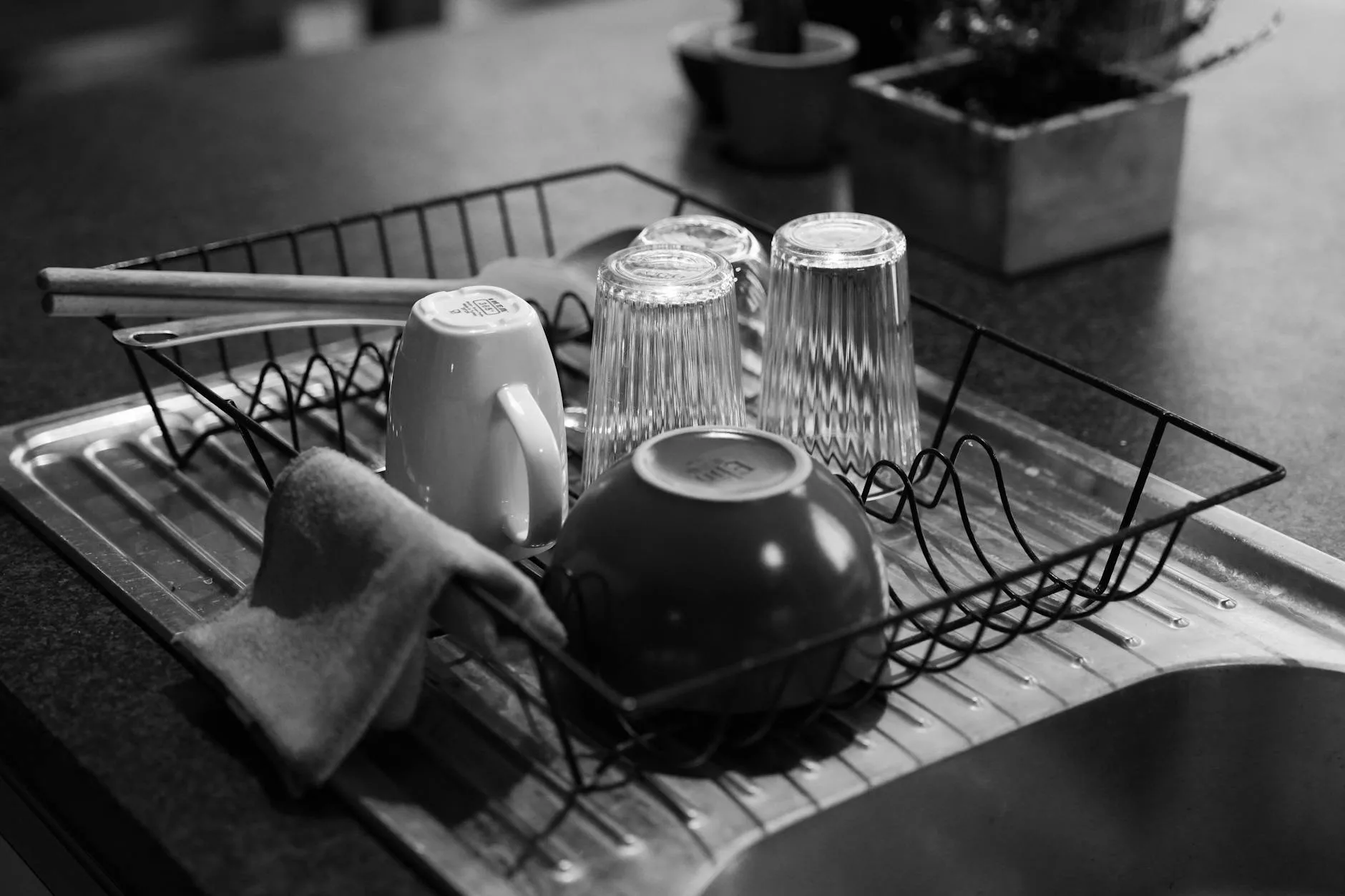
- Disassemble every removable piece after use, following the exact instructions.
- Push a suitable brush through the full straw and valve path.
- Rinse detergent away and let parts dry separately before reassembly.
- Inspect silicone and plastic for splits, clouding, swelling or trapped residue.
- Use dishwasher or sterilising methods only when the manufacturer approves them.
Our guides to sterilising feeding equipment and baby bottles explain why materials and manufacturer instructions matter. A dishwasher-safe claim does not mean every tiny channel will come out visibly clean.
Drinks and Everyday Use
For babies and young children, follow NHS guidance on suitable drinks. Water and milk are the normal choices; sweet drinks can increase tooth-decay risk. Avoid leaving a child to suck continuously from a cup, especially at bedtime, and do not use damaged straws or lids.
If combining breast and bottle feeding, our combination-feeding guide covers that separate decision. Cup introduction should not be framed as proof that feeding must change on a fixed timetable.
The Bottom Line
The Munchkin Any Angle Weighted Straw is the best overall straw cup here for a toddler ready for its age grade. Choose the TUM TUM Tippy Up for freer straw flow, the Vital Baby Free Flow for simple early table practice, and the Munchkin 360 for a rim-style trainer.
Tommee Tippee is the early straw option; Nuby suits older toddlers needing more capacity. Whichever cup you choose, age suitability, easy disassembly and daily cleaning matter more than claims about being completely leakproof.
Frequently Asked Questions
When should a baby start using a cup?
The NHS recommends introducing an open or free-flow cup from around six months, alongside solid foods. Follow the child’s readiness and the exact product age grade.
Are straw cups better than sippy cups?
Not universally. Straw cups are practical and can suit many children, while an open or free-flow cup supports learning to sip without a valve.
Are 360 cups the same as open cups?
No. A 360 cup uses a sealing rim that opens during drinking. It can reduce spills but still needs dismantling and cleaning.
What should toddlers drink from these cups?
Water and milk are the usual choices. Follow current NHS advice and avoid frequent sweet drinks because of tooth-decay risk.
How often should a straw cup be cleaned?
Clean it after use and fully dismantle the straw, valve and lid as instructed. Replace damaged or persistently dirty parts.
Can a spill-proof cup leak?
Yes. Seals can be misassembled, worn or defeated by pressure and movement. Test it upright before travel and do not treat the claim as a guarantee.